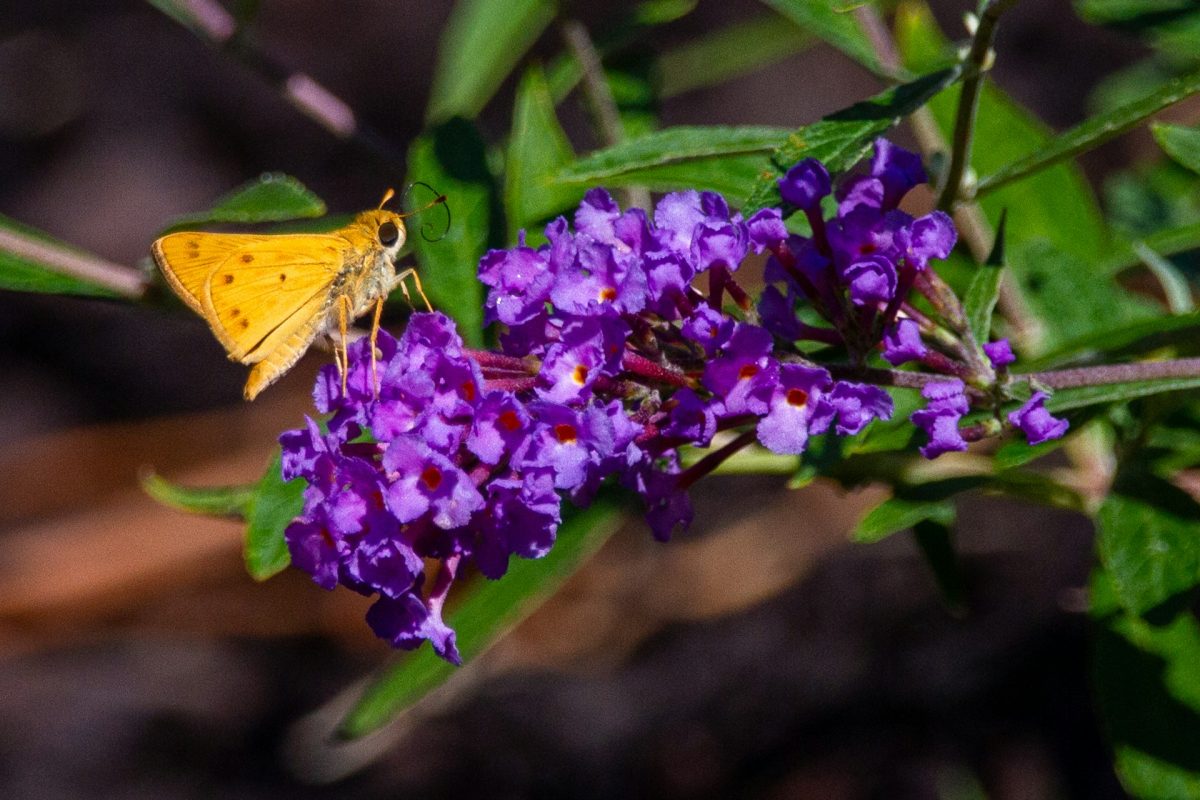
The same plant that promises to turn a backyard into a butterfly paradise now sits on invasive species watchlists in several states. That twist has left plenty of gardeners confused.
How can something sold as pollinator-friendly raise red flags with conservation groups and state agencies? The answer reveals a complicated truth about gardening trends, good intentions, and the real meaning of ecological responsibility.
The Rise of the Butterfly Magnet
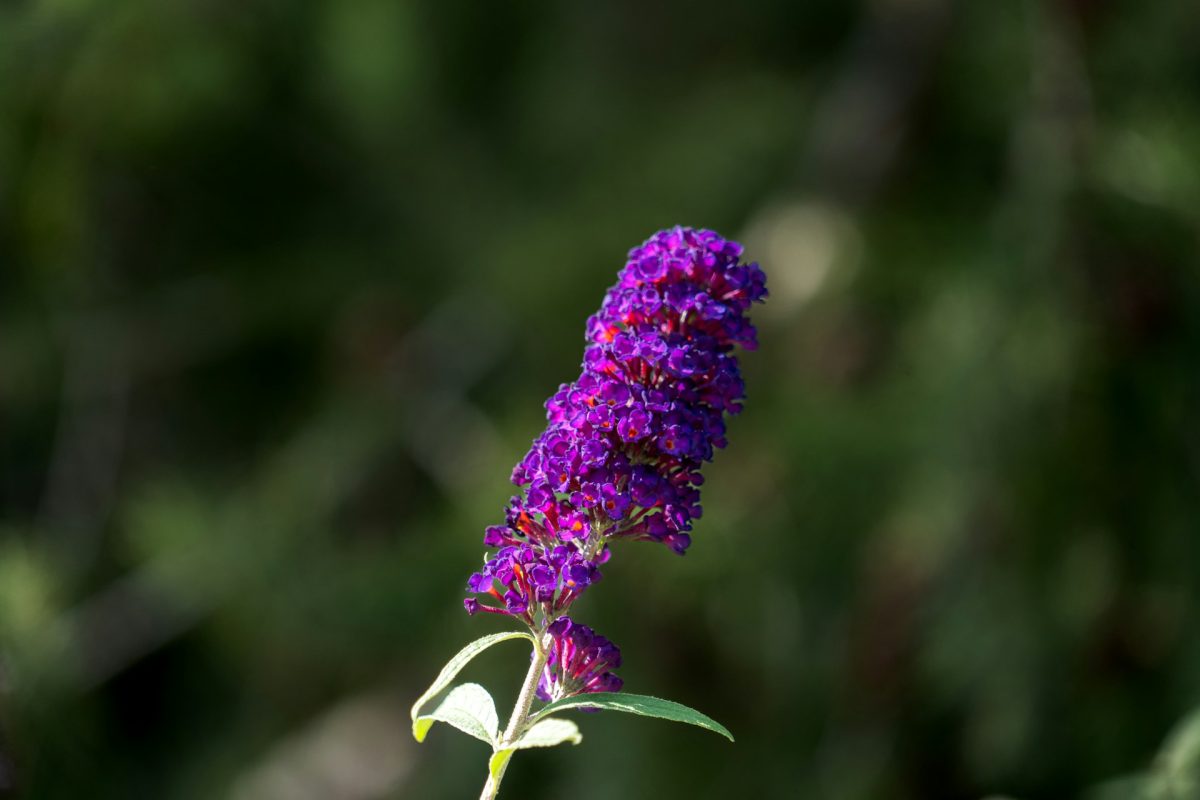
Garden centers across the United States have long celebrated the butterfly bush, known botanically as Buddleja davidii, as a must-have for anyone who wants clouds of color and fluttering wings. Native to China, this fast-growing shrub produces long, cone-shaped clusters of purple, pink, or white flowers that brim with nectar. Butterflies flock to it in summer, and hummingbirds often follow close behind.
That showy performance helped butterfly bush earn a reputation as a wildlife hero. Marketing materials often feature monarchs perched on its blossoms, reinforcing the idea that planting this shrub equals instant ecological virtue. Homeowners embraced it because it grows quickly, tolerates poor soil, and shrugs off drought once established. Landscapers leaned on it for low-maintenance color that blooms for months.
Yet a nectar buffet does not tell the whole story. While adult butterflies sip from its flowers, butterfly bush does not serve as a host plant for North American caterpillars. Species such as the monarch depend on milkweed for reproduction, not nectar-rich ornamentals. A plant that feeds adults but fails to support the next generation offers only part of the solution.
Why “Pollinator-Friendly” Does Not Always Mean Ecologically Friendly
The phrase pollinator-friendly sounds comforting, almost bulletproof. It suggests harmony with nature, bees buzzing happily, and a garden that helps rather than harms. In reality, the label often focuses on nectar production without considering a plant’s broader ecological impact.
Butterfly bush produces vast quantities of tiny seeds. Wind and water carry those seeds far beyond garden beds, where they germinate in disturbed soils, along riverbanks, and in open natural areas. In regions with mild winters and suitable climates, especially parts of the Pacific Northwest and some Mid-Atlantic states, this shrub spreads aggressively.
Several states now classify certain forms of Buddleja davidii as invasive or place them on watchlists because they outcompete native vegetation. When a non-native shrub pushes aside native plants that local insects and birds rely on, the ripple effects travel through the entire food web. That tension exposes a key lesson: supporting pollinators means more than providing nectar. It requires attention to plant origin, reproductive behavior, and impact on surrounding ecosystems.
The Sterile Cultivar Debate
In response to growing concerns, plant breeders introduced so-called sterile cultivars of butterfly bush. These varieties produce little to no viable seed under test conditions. The horticulture industry promotes them as responsible alternatives that preserve the ornamental appeal without the invasive risk.
Researchers have studied some of these cultivars to evaluate seed production and germination rates. In certain trials, specific sterile varieties produced dramatically fewer viable seeds compared to older types. That research offers encouraging news for gardeners who love the look but want to reduce environmental harm.
Still, experts urge caution. Sterility can vary depending on climate and cross-pollination with other butterfly bushes nearby. A cultivar that behaves well in one region may produce viable seed in another under different conditions. Gardeners who choose sterile forms should check local extension guidance and confirm that state authorities consider those specific cultivars acceptable.
Native Plants: The Real Powerhouses for Pollinators
Anyone who wants to build a truly pollinator-supporting landscape can look toward native plants as a powerful alternative. Native species evolved alongside local insects, birds, and mammals, forming intricate relationships over thousands of years. Those relationships often involve not only nectar but also leaves for caterpillars, berries for birds, and shelter for overwintering insects.
Milkweed species, for example, serve as essential host plants for monarch caterpillars. Goldenrods and asters provide late-season nectar when many other flowers fade. Native shrubs such as spicebush or serviceberry support a wide array of caterpillars, which in turn feed songbirds raising chicks.
A garden anchored in native plants often buzzes with far more than butterflies. It supports bees, beetles, moths, and the predators that keep ecosystems balanced. While native landscapes may look less flashy than a row of exotic ornamentals, they often deliver richer biodiversity and stronger resilience.
What Gardeners Should Do Right Now
First, check whether butterfly bush appears on an invasive or watchlist in the state or county where it grows. State departments of agriculture and university extension websites publish up-to-date information. If local authorities classify it as invasive, replacing existing shrubs with non-invasive alternatives makes a meaningful difference.
Second, avoid planting older, seed-producing varieties. If a sterile cultivar feels like the right choice, verify that reputable sources confirm its low fertility and that it complies with local guidelines. Keep an eye on seedlings that may pop up nearby and remove them promptly before they mature.
Third, diversify the garden. A single shrub, no matter how nectar-rich, cannot carry the weight of an entire ecosystem. Mix flowering perennials, native grasses, shrubs, and trees to create layers of habitat. Include plants that bloom in spring, summer, and fall so pollinators find consistent food sources.
A Beautiful Garden Should Not Come at Nature’s Expense
Butterfly bush dazzles with color and motion, and that appeal explains its popularity. Yet popularity does not equal ecological wisdom. When a plant escapes cultivation and disrupts native habitats, gardeners face a choice between nostalgia and responsibility.
The invasive species watchlists do not aim to shame gardeners. They serve as tools that help communities protect waterways, forests, and meadows from aggressive spreaders. Taking those lists seriously strengthens both private gardens and public lands.
With so many beautiful native options available, does it make sense to cling to a shrub that carries such complicated baggage? What are your thoughts on the butterfly bush? Time to share them below!
You May Also Like…
This “Cheap Pollinator Trick” Is Backfiring — What Homeowners Should Do Instead
Florida Is Bracing for a Major Pest Surge — Here’s the Low‑Cost Prep Homeowners Need Now
How Gardeners Are Repurposing Old Textiles To Save Hundreds On Supplies
Florida Gardeners Warned: This Invasive Beetle Is Destroying Fruit Trees
Homeowners in These 5 States Are Being Fined for Growing These “Invasive” Flowers

Brandon Marcus is a staff writer for FrugalGardening.com at District Media, Inc., where he delivers practical gardening advice with a relatable, no-nonsense style. An avid amateur gardener, he holds a BA degree and with over ten years of professional writing experience, he is also an award-winning published author whose first book, Questions For Deep Thinkers, was released by Adams Media. His work has appeared in major publications including Fandom.com, CHUD.com, TheColdWire.com, and Fansided.com.
Leave a Reply