You can nurture your garden for years, pour time and money into it, and still end up breaking the law with one plant. Across the United States, state agriculture departments and environmental agencies have tightened restrictions on certain invasive species. Some of these plants still show up at garden centers, in old landscaping, or in well-meaning seed swaps.
The problem? Once they spread, they bulldoze native ecosystems, clog waterways, and cost millions in control efforts. Several states now fine property owners who continue to grow or sell them. If you love gardening, you need to know which plants can turn your pride and joy into a liability.
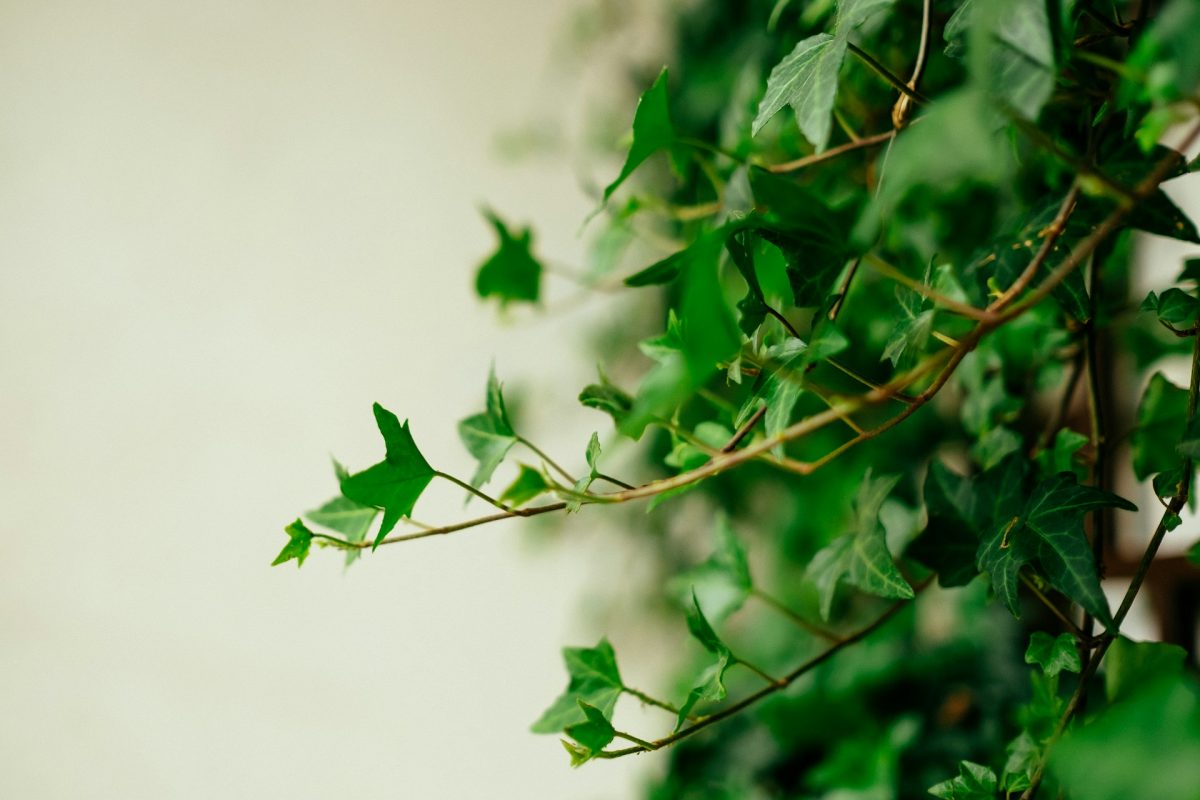
1. English Ivy: The Charming Climber That Smothers Forests
English ivy, known scientifically as Hedera helix, looks romantic crawling up brick walls and draping over fences. Landscapers once praised it as a low-maintenance groundcover. But states such as Oregon and Washington classify it as a noxious weed, and some counties fine property owners who allow it to spread unchecked.
English ivy climbs trees, blocks sunlight, and adds weight that makes trunks more vulnerable to storm damage. It also creates dense mats that crowd out native wildflowers and shrubs. Wildlife that depends on native plants loses food sources, and forests shift in ways that ripple through entire ecosystems.
If you already have English ivy on your property, don’t panic, but don’t ignore it either. Cut vines at the base, remove them from tree trunks, and dig out ground growth when possible. Replace it with native groundcovers that support pollinators and birds. Local extension offices often provide region-specific alternatives that look just as lush without the environmental damage.
2. Kudzu: The Vine That Eats the South
Few plants carry a reputation as infamous as kudzu, or Pueraria montana. Introduced from Asia in the late 1800s for erosion control, kudzu now blankets millions of acres in the southeastern United States. States including Georgia and Alabama list it as a noxious weed, and some jurisdictions restrict planting or sale.
Kudzu grows at a jaw-dropping pace during warm months. It climbs trees, utility poles, abandoned buildings, and anything else in its path. The vine forms thick canopies that block sunlight, killing trees and native plants underneath. Landowners who knowingly cultivate or fail to control it in regulated areas can face penalties.
If you encounter kudzu on your property, contact your state’s agriculture department or cooperative extension office for guidance. Control often requires repeated cutting, grazing, or targeted herbicide use. Planting native grasses and shrubs after removal helps prevent it from reclaiming the space.
3. Japanese Knotweed: The Backyard Bully With Concrete-Cracking Roots
Japanese knotweed, Fallopia japonica, might look like a leafy bamboo at first glance, but it behaves like a botanical wrecking crew. States such as New York and Pennsylvania prohibit its sale and distribution, and some municipalities fine property owners who allow it to spread into neighboring properties or waterways. This plant grows aggressively along riverbanks, roadsides, and backyards. Its rhizomes push through cracks in pavement and foundations, causing structural damage. Once it establishes itself, it forms dense thickets that choke out native plants and alter soil chemistry.
If you spot Japanese knotweed, act quickly. Small patches respond better to early intervention. Cutting alone rarely solves the problem because the underground rhizomes regenerate. Many states recommend integrated management plans that combine cutting and approved herbicide treatments. Always check local regulations before attempting removal, and never compost the cut material, since fragments can root easily.
4. Giant Hogweed: The Plant That Can Actually Hurt You
Giant hogweed, Heracleum mantegazzianum, looks dramatic with its towering stems and umbrella-shaped flower clusters. It also poses serious health risks. States including New York, Ohio, and Virginia classify it as a noxious weed and actively track infestations.
The sap of giant hogweed contains compounds that cause severe skin reactions when exposed to sunlight. People who brush against it can develop painful burns and blistering. Because of these dangers and its ability to crowd out native plants, states prohibit its sale and often require reporting sightings.
5. Water Hyacinth: The Floating Menace
Water hyacinth, Eichhornia crassipes, floats with glossy leaves and lavender flowers that look almost too pretty to cause trouble. In warm states such as Florida, authorities ban its sale and possession without permits because it clogs waterways and disrupts aquatic life. This plant multiplies rapidly in lakes, ponds, and slow-moving rivers. Thick mats block sunlight from reaching underwater plants and reduce oxygen levels in the water. Fish and other aquatic species suffer as a result, and boaters find navigation nearly impossible in heavily infested areas.
If you maintain a backyard pond, skip water hyacinth and choose native aquatic plants instead. Many states publish approved plant lists for water gardens. Those lists protect your pond while also protecting local ecosystems.
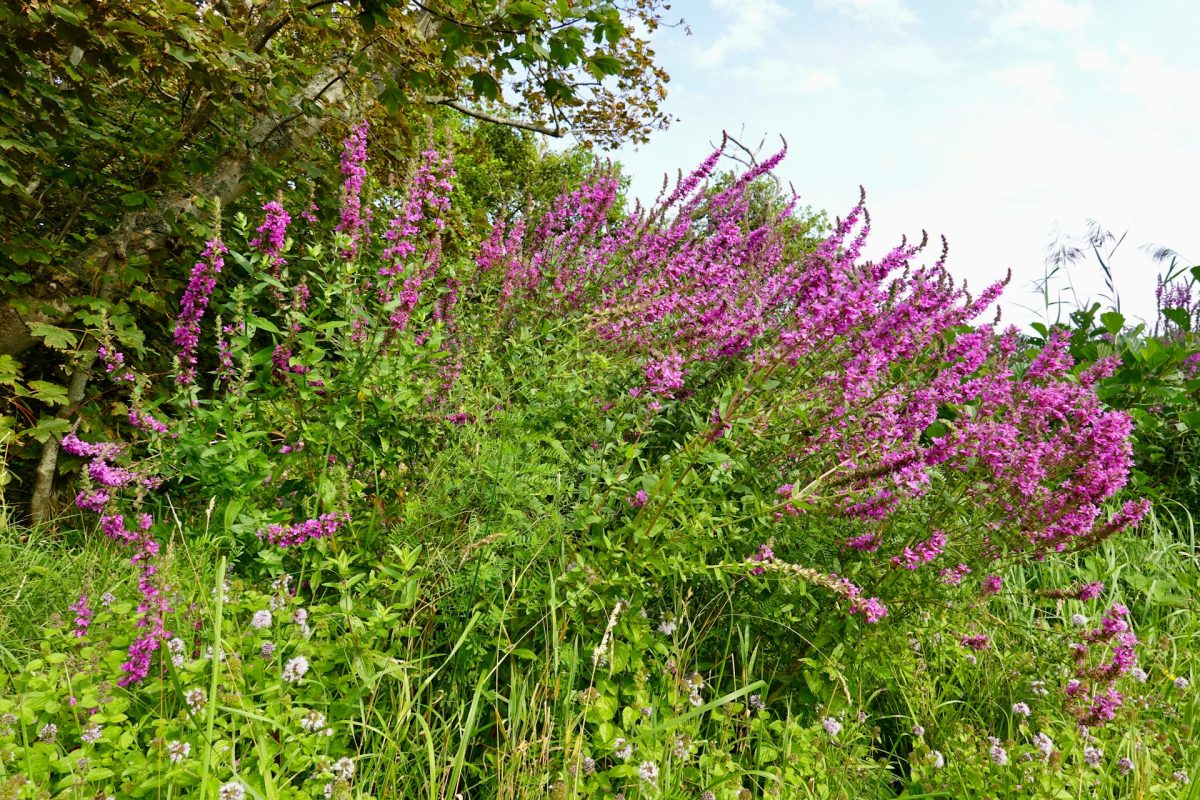
6. Purple Loosestrife: The Wetland Showstopper With a Dark Side
Purple loosestrife, Lythrum salicaria, produces tall spikes of vibrant purple flowers that attract attention from a distance. Despite its beauty, more than half of U.S. states list it as invasive or noxious, and several restrict its sale.
Once established in wetlands, purple loosestrife forms dense stands that displace native cattails and sedges. Waterfowl and other wildlife lose nesting and feeding habitats. Wetland ecosystems depend on plant diversity, and purple loosestrife reduces that diversity dramatically.
7. Tree of Heaven: The Fast-Growing Favorite That Fuels Another Invasion
Tree of Heaven, Ailanthus altissima, earned popularity because it grows quickly in poor soil and tolerates urban conditions. Unfortunately, it also spreads aggressively and now appears on noxious weed lists in states like Pennsylvania and Ohio. The tree produces thousands of seeds and releases chemicals into the soil that inhibit other plants. It also serves as a preferred host for the spotted lanternfly, an invasive insect that damages crops and hardwood trees. When Tree of Heaven spreads, it invites even more ecological trouble.
If you identify Tree of Heaven on your property, remove young saplings by pulling them up entirely, roots and all. Larger trees require careful management, often with targeted herbicide application to prevent resprouting. Replace them with native trees that support local wildlife and resist invasive pests.
Your Garden, Your Responsibility
Gardening brings joy, creativity, and a sense of connection to the land. It also carries responsibility. When you choose plants wisely, you protect local wildlife, support pollinators, and avoid costly legal trouble.
Every yard, patio, and pond adds up to something bigger. A single invasive plant can spread far beyond your fence line, but a single smart choice can also strengthen your local ecosystem. Take a walk through your landscape this week and look at it with fresh eyes.
What plant surprised you the most on this list, and will you make any changes in your own garden this season? All gardeners should hop into the comments below.
You May Also Like…
This “Pollinator-Friendly” Plant Is Now on the Invasive Species Watchlist
10 Garden Chemicals That Are Still Sold—But Banned Overseas
NC Agriculture Officials Warn: This Invasive Pest Is Now in Residential Gardens
NC State Agriculture Officials Issue New Alert About an Invasive Pest Moving Into Backyards
This One Winter Gardening Habit Could Be Spreading Invasive Pests Across the South

Brandon Marcus is a staff writer for FrugalGardening.com at District Media, Inc., where he delivers practical gardening advice with a relatable, no-nonsense style. An avid amateur gardener, he holds a BA degree and with over ten years of professional writing experience, he is also an award-winning published author whose first book, Questions For Deep Thinkers, was released by Adams Media. His work has appeared in major publications including Fandom.com, CHUD.com, TheColdWire.com, and Fansided.com.
Leave a Reply