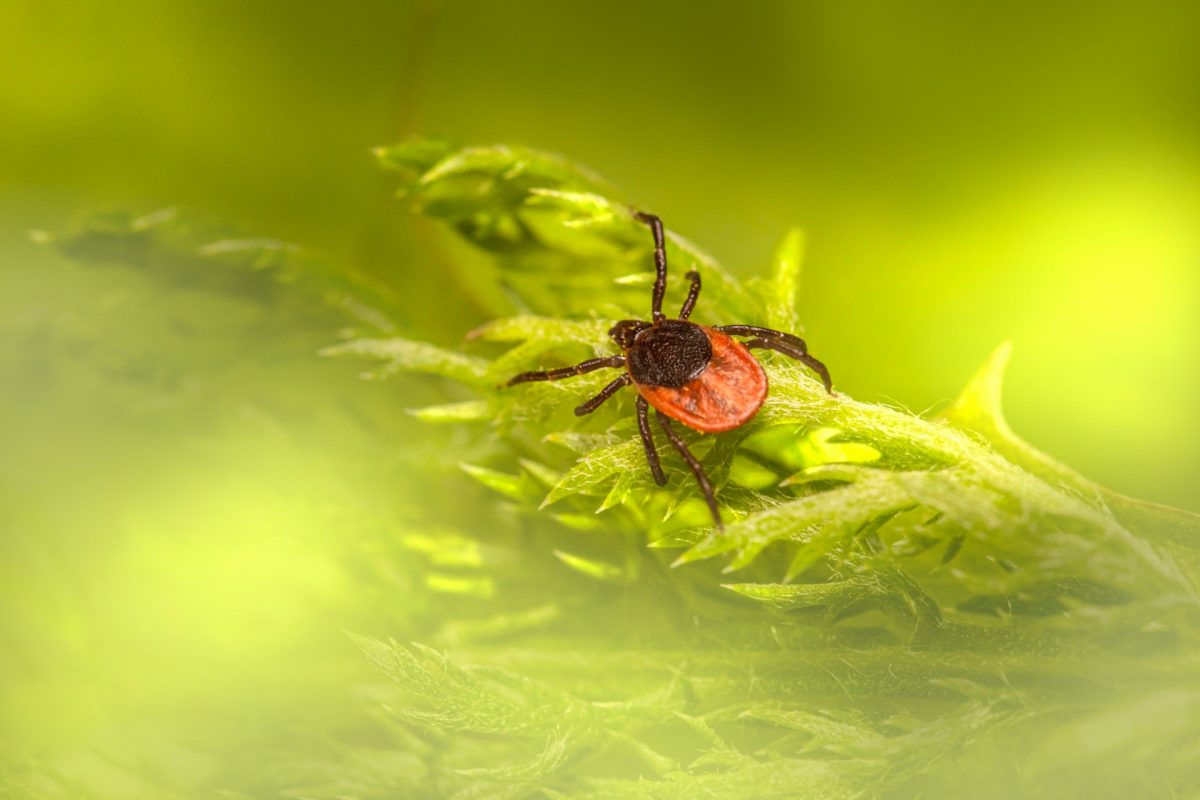
A yard should feel like a place to relax, not a place where hidden pests wait in the grass. Ticks love shaded, damp, overgrown spaces, especially where tall weeds and dense ground cover create the perfect hiding spots. The good news is that certain plants can help make your outdoor space less inviting for these unwanted hitchhikers.
Many of these plants also add color, fragrance, and texture that upgrade any garden design. Smart planting choices can support a cleaner, more comfortable yard without relying heavily on chemical sprays.
1. Lavender Adds Fragrance While Discouraging Ticks
Lavender brings a calming scent that people love, but ticks strongly dislike its aromatic oils. Gardeners often plant lavender along walkways and patios to create natural scented borders. This plant prefers sunny, dry areas, which also helps reduce the damp conditions that ticks enjoy. Its silvery-purple blooms add elegance while serving a practical purpose in pest management. A well-placed lavender patch can help create a natural barrier that supports a cleaner outdoor space.
2. Rosemary Creates a Strong Scent Barrier
Rosemary releases a bold, woody aroma that helps discourage ticks and other pests from hanging around. This hardy herb grows well in containers or garden beds with plenty of sunlight and good drainage. Many gardeners place rosemary near seating areas to enjoy both its fragrance and its protective qualities. The plant also works well in culinary gardens, making it a dual-purpose powerhouse. Regular trimming keeps it dense, healthy, and more effective as a natural deterrent.
3. Mint Helps Disrupt Tick-Friendly Areas
Mint spreads quickly and produces a strong scent that helps mask human and animal odors that attract ticks. Gardeners often plant mint in containers to control its aggressive growth. Its refreshing aroma works well near outdoor gathering spots, especially patios and doorways. Mint also attracts beneficial insects that help balance the garden ecosystem. A strategic placement of mint can make outdoor spaces less appealing to pests while adding a burst of freshness.
4. Lemongrass Releases Citronella-Like Protection
Lemongrass contains natural oils that release a citronella-like scent known for repelling many insects, including ticks. This tall, grassy plant grows best in warm, sunny areas with well-drained soil. Many homeowners plant lemongrass around decks and outdoor lounges for added protection. Its striking appearance also adds a tropical feel to garden designs. Regular trimming helps release more of its fragrant oils into the air.
5. Marigolds Bring Color and Pest Resistance
Marigolds produce a strong scent that confuses and deters ticks and other garden pests. These bright flowers grow easily in beds, borders, and containers with minimal effort. Gardeners often plant marigolds around vegetable gardens to support natural pest control. Their bold orange and yellow blooms also attract pollinators that benefit the entire yard. A well-planned marigold border adds both visual impact and practical protection.
6. Garlic Strengthens Natural Defense Zones
Garlic emits sulfur compounds that many pests, including ticks, avoid. Gardeners often plant garlic in clusters around garden edges to create a protective zone. It grows best in cool seasons and well-drained soil with consistent sunlight. Garlic also offers a rewarding harvest that supports kitchen use throughout the year. Strong planting patterns help maximize its pest-deterring effect across the yard.
7. Sage Delivers Aromatic Protection in Dry Spaces
Sage produces a strong herbal scent that helps discourage ticks from settling in nearby areas. This plant thrives in dry, sunny conditions and requires minimal watering once established. Gardeners often use sage in herb gardens where its fragrance blends with other protective plants. Its soft, gray-green leaves add texture and visual interest to landscaping designs. Strategic placement near walkways helps reinforce natural pest barriers.
8. Chrysanthemums Offer Natural Insect-Repelling Power
Chrysanthemums contain pyrethrum, a natural compound used in many insect repellents. Gardeners value them for both their bright blooms and their ability to reduce pest presence. These flowers grow well in beds, borders, and containers with plenty of sunlight. Their seasonal color display brings energy to outdoor spaces while supporting pest management goals. A diverse planting of chrysanthemums can help strengthen the overall defense of a yard.
A Smarter Yard Strategy That Works With Nature
A tick-reducing garden works best when multiple plants work together across different areas of the yard. Homeowners often combine fragrant herbs, flowering plants, and structured borders to disrupt pest movement. These plants do not eliminate ticks completely, but they help make outdoor spaces less inviting for them. Regular lawn maintenance, such as mowing and removing leaf litter, strengthens the impact of these plant choices. A thoughtful layout turns a simple yard into a more comfortable and enjoyable space for everyone.
What plants have worked best in outdoor spaces where pests become a problem?
You May Also Like…
Why So Many Americans Are Turning Front Yards Into Vegetable Gardens
10 Vegetables That Actually Thrive During Brutal Heat Waves
The Surprising Reason Your Garlic Isn’t Sprouting—And What to Do Before February
Which Plant Pairings Naturally Reduce Pests and Improve Yields
9 Backyard Bugs That Can Damage Plants Before Summer

Brandon Marcus is a staff writer for FrugalGardening.com at District Media, Inc., where he delivers practical gardening advice with a relatable, no-nonsense style. An avid amateur gardener, he holds a BA degree and with over ten years of professional writing experience, he is also an award-winning published author whose first book, Questions For Deep Thinkers, was released by Adams Media. His work has appeared in major publications including Fandom.com, CHUD.com, TheColdWire.com, and Fansided.com.
Leave a Reply