A polished, designer-looking yard does not require a luxury budget or a professional crew. Smart plant choices can instantly elevate curb appeal and create structure, color, and balance across any outdoor space. Many affordable plants deliver that “finished landscape” look without demanding constant care or expensive upkeep.
The secret lies in choosing varieties that spread neatly, repeat visually, and complement each other in shape and texture. These ten budget-friendly plants turn ordinary yards into eye-catching spaces that feel thoughtfully designed.
1. Hostas Bring Instant Structure and Texture
Hostas deliver bold, leafy structure that fills shady spots with lush greenery. Gardeners love their ability to create clean borders along walkways and foundations. These plants come in many sizes, so even small yards can use them for layering effects. Their leaves naturally form mounded shapes that look intentional and organized. A few clusters can make a garden bed feel professionally designed.
Hostas cost very little at most garden centers and often multiply each year. They tolerate shade where many plants struggle, making them incredibly practical. Pair them with mulch for a crisp, high-end look. Their consistent foliage keeps yards looking neat through the entire season. Landscaping instantly feels more structured once hostas enter the picture.
2. Marigolds Add Bright Color and Easy Charm
Marigolds pack bold yellow, orange, and gold tones that grab attention fast. Gardeners use them to frame borders, fill gaps, and brighten dull corners. Their compact size allows easy placement along walkways or garden beds. These flowers bloom continuously through warm months with minimal care. A few packs can transform the entire mood of a yard.
Marigolds also repel certain garden pests, which adds practical value. They grow quickly from seed, making them one of the cheapest options available. Their uniform shape helps create visual rhythm in landscaping designs. Pairing them in clusters creates a professional, cohesive look. Even beginners can achieve impressive results with marigolds.
3. Daylilies Offer Reliable Seasonal Drama
Daylilies produce vibrant blooms that return year after year with little effort. Their tall, arching leaves add movement and softness to garden edges. Landscapers often use them to create flowing color patterns across larger spaces. Each bloom lasts only a day, but plants produce many buds. This cycle keeps gardens visually active for weeks.
These perennials tolerate tough conditions and still perform well. They spread gradually, filling empty spaces without becoming messy. Daylilies blend easily with shrubs and groundcovers. Their structured clumps help define garden shapes naturally. Budget-conscious gardeners rely on them for long-term impact.
4. Ornamental Grasses Create Modern Movement
Ornamental grasses bring height, motion, and texture that elevate any yard design. Fountain grass stands out with soft, arching plumes that sway in the wind. These plants create contrast when placed beside flowers or shrubs. Designers often use them to break up flat garden layouts. Their airy structure adds sophistication without clutter.
They grow quickly and require minimal maintenance once established. Most varieties cost little and return each season. Their neutral tones balance brighter plants effectively. Clumps of grass create a natural rhythm throughout landscaping beds. A few strategic placements can completely modernize a yard.
5. Sedum Delivers Tough, Low-Cost Ground Cover
Sedum offers thick, fleshy leaves that store water efficiently. This makes it ideal for dry spots or rocky areas. Gardeners appreciate how quickly it spreads across soil surfaces. Its compact growth helps prevent weeds from taking over. Landscaping feels cleaner and more controlled with sedum in place.
Many sedum varieties produce small star-shaped flowers in late summer. These blooms attract pollinators and add subtle color. The plant survives poor soil conditions without complaint. It requires almost no maintenance once planted. That reliability makes it a favorite for budget landscaping.
6. Petunias Fill Spaces With Continuous Color
Petunias deliver non-stop blooms in vivid shades throughout the season. Gardeners often use them in hanging baskets, borders, and containers. Their cascading growth habit softens hard edges in landscaping. A dense cluster creates an instant visual upgrade. Few plants offer such a strong color impact for such a low price.
They adapt well to many environments with regular watering. Removing spent flowers keeps blooms coming strong. Petunias pair well with greenery for contrast. Their versatility suits both small and large yards. A few trays can transform an entire outdoor space quickly.
7. Lavender Adds Fragrance and Elegance
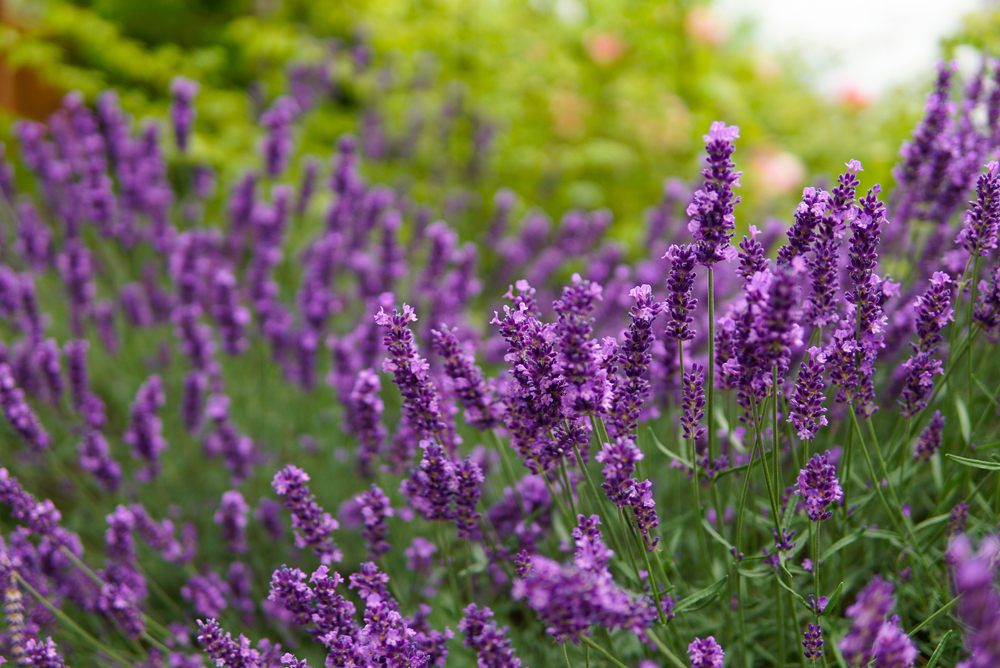
Lavender brings soft purple tones and a calming scent to garden spaces. Its upright growth creates neat rows that feel highly structured. Gardeners often plant it along pathways for a refined look. Bees and butterflies flock to its flowers. This adds life and movement to outdoor areas.
Lavender prefers sunny, well-drained soil and grows easily in those conditions. It requires little water once established. Its gray-green foliage contrasts beautifully with brighter plants. Rows of lavender instantly suggest intentional design. Even small plantings elevate curb appeal significantly.
8. Boxwood Creates Classic Landscaping Shapes
Boxwood shrubs deliver structure that defines professional landscape design. Their dense leaves allow precise shaping into hedges or borders. Gardeners rely on them for formal, clean layouts. They maintain their shape throughout most of the year. A few well-placed shrubs anchor entire garden designs.
These plants cost more than annual flowers but last for years. Their slow growth reduces maintenance demands. Boxwoods pair well with seasonal color plants. They provide a strong backbone for layered landscaping. Their presence instantly signals a well-planned yard.
9. Coleus Brings Bold Foliage Patterns
Coleus stands out with leaves painted in reds, greens, and yellows. Gardeners use it to add dramatic color without relying on flowers. It grows quickly in containers and garden beds alike. Shade tolerance makes it extremely versatile. Its foliage creates instant visual interest.
Pinching stems encourages fuller growth and richer color display. Coleus adapts well to creative planting arrangements. It mixes easily with green plants for contrast. Its affordability makes large plantings possible. Even small spaces feel more dynamic with coleus.
10. Impatiens Brighten Shady Corners
Impatiens produce soft, colorful blooms that light up shaded areas. They grow low and compact, making them ideal for edging. Gardeners rely on them to fill empty spots quickly. Their continuous flowering keeps gardens lively all season. Few shade plants perform as consistently.
These flowers grow well in clusters for maximum impact. They prefer moist soil and partial shade. Their uniform growth creates a clean, polished appearance. Landscaping gains instant softness and color balance. A few flats can transform dull corners into vibrant displays.
A Budget Garden That Looks Like a Designer Created It
These ten plants prove that professional-looking landscaping does not require expensive investments or complex planning. Each plant contributes something unique, from structure and color to movement and texture. Combining them creates layers that mimic high-end garden design. Smart placement matters just as much as plant selection. A thoughtful mix turns any yard into a visually balanced space that feels intentional and inviting.
Start small, then expand plant groupings as confidence grows. Focus on repetition and contrast to create harmony across the yard. Even modest budgets can achieve impressive curb appeal with the right choices. Experiment with combinations that match sunlight and soil conditions.
Which of these plants would reshape your outdoor space first? Let’s hear your advice, stories, and experiences below in the comments!
You May Also Like…
7 Backyard Plants Snakes Love to Hide Around
8 Plants That Secretly Make Your Backyard Feel 10 Degrees Cooler
Companion Planting Cheat Sheet: Perfect Pairings That Boost Growth and Save Space
Why Nutrient Timing Impacts Growth More Than Quantity
10 Flowers That Attract Pollinators Without Extra Spending

Brandon Marcus is a staff writer for FrugalGardening.com at District Media, Inc., where he delivers practical gardening advice with a relatable, no-nonsense style. An avid amateur gardener, he holds a BA degree and with over ten years of professional writing experience, he is also an award-winning published author whose first book, Questions For Deep Thinkers, was released by Adams Media. His work has appeared in major publications including Fandom.com, CHUD.com, TheColdWire.com, and Fansided.com.
Leave a Reply