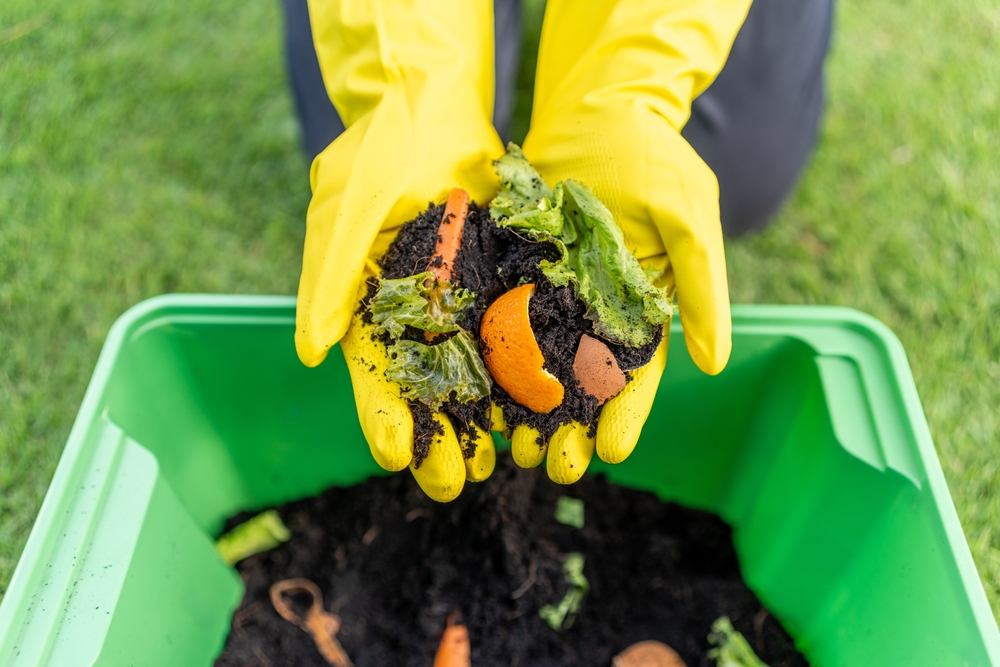
Composting doesn’t have to be a fancy, complicated science experiment. Imagine transforming your leftover coffee grounds, vegetable peels, and even yard trimmings into rich, black gold for your garden—all without spending a fortune. The truth is, building a compost bin can cost almost nothing if approached with creativity and a little elbow grease. The cheapest way doesn’t mean the least effective; in fact, some of the simplest setups can outperform high-end store-bought bins.
Whether you live in a small backyard or have a sprawling garden, there’s a setup that can turn your organic waste into thriving soil while saving money. This isn’t just about saving cash—it’s about joining a movement where waste becomes opportunity, and your garden reaps the rewards.
Stack It Like a Pro: Using Pallets and Crates
Forget buying a pre-made plastic bin that costs as much as a night out. Wooden pallets and old crates are the unsung heroes of backyard composting. Pallets are often free from local stores or warehouses, and they offer a natural, breathable structure perfect for composting. Set up four pallets in a square and nail them together, leaving gaps for air circulation—good airflow keeps composting aerobic and reduces the dreaded odor.
Line the bottom with twigs or small branches for drainage and to keep the pile from getting soggy. For extra stability, you can secure the corners with brackets, but even loose stacks work if you rotate the pile occasionally. Crates, especially plastic milk crates, can also create modular bins that are easy to move and manage. The beauty of pallets and crates lies in their versatility: you can start small, then expand or layer as your compost needs grow. They also provide easy access for turning the pile, which is key for faster decomposition.
Pallets and crates aren’t just cheap—they add rustic charm to your yard. A compost bin doesn’t have to be ugly or clunky. You can even paint or stain pallets to match garden décor, turning a functional necessity into a statement piece. Additionally, stacking pallets allows you to experiment with multiple bins side by side: one for fresh scraps, one in mid-decomposition, and one ready for the garden. This system keeps the compost organized and speeds up the process by separating stages.
Trash Into Treasure: Repurposing Household Items
Your home is full of materials that make perfect compost containers without spending a dime. Old trash bins, storage tubs, or even a retired garbage can with holes drilled in the sides can become an efficient composting system.
Drill holes around the container for aeration and lift it slightly off the ground to allow drainage—simple tweaks that transform trash into treasure. Cover with a lid or a piece of plywood to keep pests away and retain moisture. It may not win a beauty contest, but functionality matters most, and these DIY bins perform admirably.
The real charm of repurposing household items is creativity. A broken wooden chest or an unused laundry basket can become a quirky compost bin with a few adjustments. The key is ventilation and accessibility: you need air to feed microbes and enough space to turn the material. Consider stacking bins to separate new and older compost, or cut out panels from old cabinets to create side doors for easy removal of finished compost. This approach isn’t just cost-effective—it’s sustainable, keeping items out of the landfill while boosting your garden’s health.
Keep It Simple: The Three-Bin Strategy
Sometimes the simplest solution is the most effective. A three-bin system divides compost into stages: fresh scraps, actively decomposing material, and ready-to-use compost. Using inexpensive materials like chicken wire, bamboo stakes, or leftover wood, you can create three modest compartments that organize the composting process without fancy gadgets. Each bin holds a different stage, making it easy to manage, monitor, and harvest compost at peak nutrient levels.
The three-bin method also solves the problem of timing. Compost doesn’t decompose overnight, and having three separate sections allows a continuous rotation. Toss new scraps into the first bin, let the second mature for several weeks, and store ready compost in the third.
This organization keeps the pile active and aerobic while minimizing mess and odor. It’s a straightforward, low-cost strategy that maximizes efficiency and reduces frustration. Add a simple tarp on top to retain moisture during dry spells, and suddenly your modest DIY system works like a pro-level setup. You don’t need anything expensive, just careful planning and a little patience.

Layer Like a Boss: The Art of Balance
Composting is a mix of science and intuition, and cheap bins won’t magically do the work for you. Layering “greens” and “browns” keeps decomposition moving efficiently. Greens are nitrogen-rich materials like fruit and vegetable scraps, coffee grounds, and grass clippings. Browns provide carbon: think leaves, cardboard, shredded paper, and small twigs. Aim for roughly a 2:1 ratio of browns to greens, layering like a lasagna to maintain balance. Too many greens can make the pile soggy and smelly; too many browns slow decomposition.
Turning the pile regularly mixes microbes, introduces oxygen, and keeps moisture levels even. Cheap compost bins, whether pallets, crates, or repurposed tubs, allow for easy access so turning isn’t a chore. Add water if the pile dries out or cover loosely if rain threatens to over-saturate it. Little tweaks like chopping materials into smaller pieces can accelerate the process without any added cost. The layering method is inexpensive, effective, and satisfying because you can see the transformation from scraps to soil in weeks. It turns mundane food waste into a lively, nutrient-packed resource for plants, saving money and creating a sense of accomplishment.
Dirt Cheap, Garden Rich: Turning Waste Into Gold
Composting on a budget proves that valuable resources don’t require expensive equipment. All it takes is ingenuity, consistency, and a willingness to experiment. From pallets and crates to repurposed bins and simple three-stage setups, the possibilities are endless. What matters most is creating airflow, maintaining moisture, and balancing materials. A cheap compost bin doesn’t just save money; it builds a mini-ecosystem where microbes do the heavy lifting while you enjoy the fruits of their labor.
Imagine spreading rich, dark compost across flower beds, vegetable gardens, or container plants—all created from scraps that would have ended up in the trash. It’s eco-friendly, wallet-friendly, and incredibly satisfying. Once the process becomes part of your routine, it transforms the way you view food waste, yard debris, and even small DIY projects.
How will you start your cheap compost journey, and what unique materials will you transform into garden gold? Share your ideas and discoveries in the comments.
You May Also Like…
Why Some Compost Smells in Spring
The Compost Mistake That Wastes Money Every Spring
Experts Warn: Your Compost Pile Could Be Dangerous for Pets
Why Your Compost Bin Could Be Breeding a Fungus That Kills Seedlings
7 Things You Should Never Compost in Winter—Even If You Do in Summer

Brandon Marcus is a staff writer for FrugalGardening.com at District Media, Inc., where he delivers practical gardening advice with a relatable, no-nonsense style. An avid amateur gardener, he holds a BA degree and with over ten years of professional writing experience, he is also an award-winning published author whose first book, Questions For Deep Thinkers, was released by Adams Media. His work has appeared in major publications including Fandom.com, CHUD.com, TheColdWire.com, and Fansided.com.
Leave a Reply