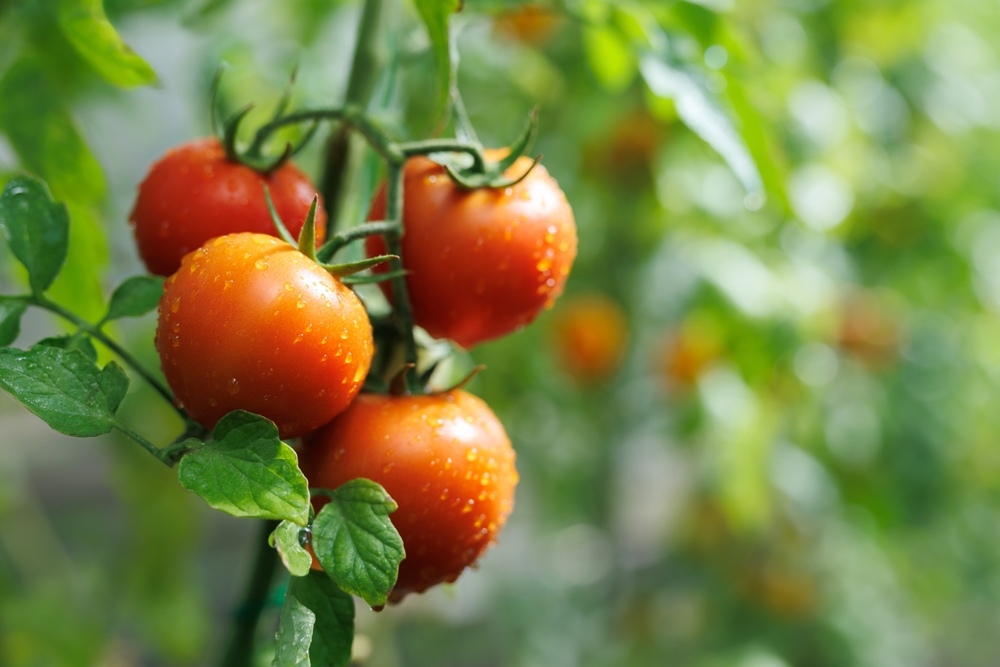
Tomato plants can put on quite a show. Thick stems, lush green leaves, and vigorous growth often make gardeners feel like they are headed for a bumper harvest. Then summer rolls on, and reality sets in. The plants look fantastic, but the tomato count barely reaches double digits.
That situation frustrates gardeners more than almost any other vegetable-growing problem. A tomato plant that looks sick at least offers obvious clues. A healthy-looking plant that refuses to produce fruit creates a mystery that leaves many gardeners scratching their heads.
The good news is that tomatoes rarely withhold fruit without a reason. Several common issues can cause beautiful plants to focus on leaves and stems instead of flowers and fruit. Once gardeners identify the culprit, they can often turn the season around and encourage better production.
Too Much Nitrogen Creates a Leaf Factory
Tomatoes need nutrients to grow, but too much nitrogen often creates one of the most common fruiting problems in home gardens. Nitrogen fuels leafy growth, and tomato plants respond enthusiastically when they receive large amounts of it. The result often looks impressive because the plants become large, dark green, and vigorous. Many gardeners assume these signs indicate perfect health. Unfortunately, the plant may direct most of its energy toward producing foliage instead of tomatoes.
Fertilizer mistakes frequently trigger this problem. Lawn fertilizer that drifts into garden beds, heavy applications of manure, or high-nitrogen plant food can all push plants into overdrive. Gardeners sometimes continue feeding tomatoes throughout the season because the plants look so healthy. That decision often worsens the problem. Switching to a fertilizer designed specifically for tomatoes usually helps restore balance. Products with lower nitrogen and higher phosphorus and potassium encourage flowering and fruit production instead of endless leaf growth.
Hot Weather Can Shut Down Fruit Production
Tomatoes love warm weather, but they have limits. When daytime temperatures consistently climb above 90 degrees Fahrenheit and nighttime temperatures stay above 75 degrees, tomato flowers often struggle to set fruit. The plants may continue growing vigorously while production slows dramatically. Many gardeners blame watering or fertilizing when heat actually causes the problem. Even healthy plants can experience poor fruit set during extended hot spells.
The flowers often tell the story. Blossoms may appear normally but drop off before forming tomatoes. In some cases, pollen becomes less viable during extreme heat. Without successful pollination, fruit never develops. Gardeners cannot control the weather, but they can reduce stress by watering consistently and applying mulch around the plants. Once temperatures moderate, many tomato varieties resume fruit production and begin setting tomatoes again.
Pollination Problems Can Keep Flowers Empty
Tomato flowers contain both male and female parts, but they still need movement to transfer pollen effectively. Wind, buzzing bees, and gentle plant movement help make pollination happen. When pollination fails, flowers often fall off without producing fruit. The plants may appear perfectly healthy from top to bottom. Gardeners sometimes miss the issue because the flowers arrive in abundance.
Growing tomatoes in sheltered locations can contribute to poor pollination. A lack of pollinator activity may also play a role. Greenhouse growers often encounter this challenge because plants receive little natural movement. Lightly shaking tomato cages or plant supports every few days can improve pollination. Encouraging pollinator-friendly flowers nearby may also increase activity around the garden and improve fruit set naturally.
Inconsistent Watering Confuses Tomato Plants
Tomatoes prefer steady moisture. When soil swings between extremely dry and soaking wet conditions, plants often become stressed even if they still look healthy. That stress can reduce flower production and interfere with fruit development. Some gardeners water heavily once or twice a week and assume the plants receive enough moisture. Tomatoes usually perform better with consistent watering that keeps the soil evenly moist.
Container-grown tomatoes face an even greater challenge because pots dry out quickly during warm weather. A large tomato plant can consume surprising amounts of water on hot days. Gardeners may notice flowers dropping before fruit forms when moisture levels fluctuate dramatically. Mulch helps stabilize soil moisture and reduces evaporation. Regular watering schedules also help tomatoes focus on fruit production rather than survival.
Too Much Shade Limits Tomato Potential
Tomatoes often tolerate partial shade, but they produce the most fruit in full sun. Many gardeners place tomatoes in locations that receive morning sunlight but become shaded later in the day. The plants may still grow tall and green because they receive enough light for foliage production. Fruit production, however, often suffers when sunlight falls below optimal levels.
Most tomato varieties perform best with at least six to eight hours of direct sunlight daily. More sunlight generally translates into more flowers and better fruit development. Trees, fences, sheds, and neighboring plants can gradually create shade problems as the season progresses. A garden bed that looked sunny in spring may become much darker by midsummer. Evaluating sunlight exposure throughout the day can reveal whether shade contributes to poor production.
Choosing the Wrong Variety Can Lead to Disappointment
Not all tomato plants produce the same amount of fruit. Some heirloom varieties focus on producing a smaller number of large tomatoes. Others naturally yield less than modern hybrids. Gardeners sometimes compare different varieties and assume something is wrong when certain plants produce fewer fruits. In reality, genetics may explain much of the difference.
Large beefsteak tomatoes often require more energy to develop each fruit. Cherry tomatoes, by contrast, frequently produce dozens or even hundreds of tomatoes during the season. Seed catalogs and plant labels usually provide clues about expected yields. Gardeners who prioritize heavy harvests may benefit from selecting varieties known for productivity. Mixing different types can also provide a balance between flavor, size, and overall production.
The Secret Lies in Balance
Tomato plants often reveal an important gardening lesson: bigger does not always mean better. Lush growth can look impressive, but successful tomato production requires a balance between foliage, flowers, and fruit. Excess fertilizer, heat stress, poor pollination, inconsistent watering, shade, and variety selection can all contribute to disappointing harvests even when plants appear healthy.
What tomato-growing challenge has caused the most frustration in your garden, and what solution worked best for you? Share your experience in the comments!
You May Also Like…
10 Vegetables That Produce the Most Food for the Least Money
Why Tomatoes Grow Leaves but Delay Fruit Production
Cheap Support Ideas for Vining Plants Like Tomatoes and Beans
5 Budget Vegetable Patch Designs for Small Yards
7 Vegetables That Perform Better in Cooler Starts

Brandon Marcus is a staff writer for FrugalGardening.com at District Media, Inc., where he delivers practical gardening advice with a relatable, no-nonsense style. An avid amateur gardener, he holds a BA degree and with over ten years of professional writing experience, he is also an award-winning published author whose first book, Questions For Deep Thinkers, was released by Adams Media. His work has appeared in major publications including Fandom.com, CHUD.com, TheColdWire.com, and Fansided.com.
Leave a Reply