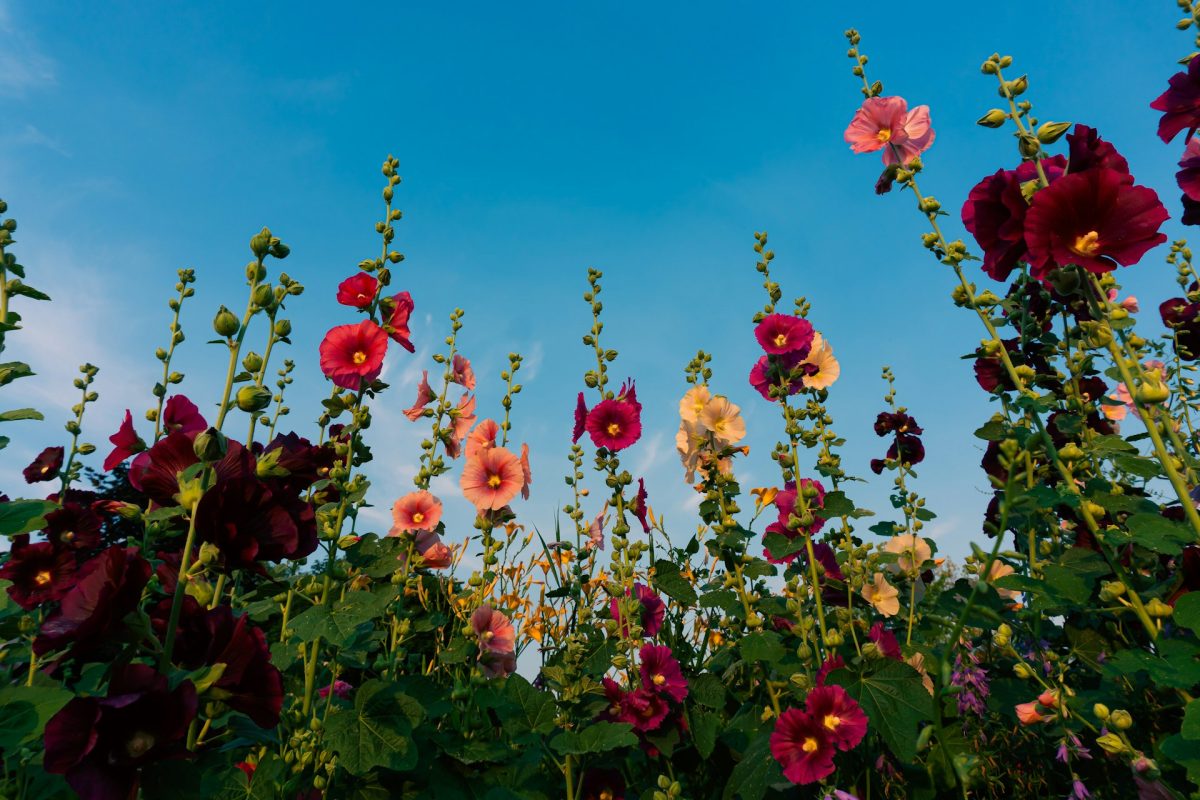
Summer heat can turn many gardens into a frustrating sight. Flowers that looked vibrant in June often wilt, fade, or stop blooming altogether when temperatures soar into triple digits. While many plants struggle during prolonged heat waves, some flowers seem almost unfazed by the blazing sun and relentless heat.
That makes choosing the right plants one of the smartest gardening decisions homeowners can make. Heat-loving flowers reduce maintenance, conserve water, and keep landscapes colorful when neighboring gardens begin to look tired. Whether filling flower beds, containers, or borders, these resilient bloomers bring dependable beauty throughout the hottest stretches of summer.
1. Lantana Brings Nonstop Color to Hot Gardens
Lantana ranks among the toughest flowering plants available for warm climates. Once established, it produces clusters of bright blooms in shades of yellow, orange, pink, red, and purple while handling scorching temperatures with remarkable ease. Gardeners across the southern United States often rely on lantana when summer weather becomes particularly intense.
Its appeal extends beyond heat tolerance. Butterflies and pollinators flock to lantana blooms throughout the season, creating constant movement and activity in the garden. Many varieties continue flowering from late spring until the first frost, making them one of the longest-performing plants in the landscape.
2. Zinnias Refuse to Quit When Temperatures Rise
Zinnias deliver bold color and impressive durability during the hottest months of the year. These classic annuals produce large, cheerful blooms in nearly every color imaginable, creating an eye-catching display even when temperatures push past 100 degrees. Their fast growth also makes them a favorite among gardeners looking for quick results.
Many gardeners appreciate how little fuss zinnias require. Regular deadheading encourages continuous blooming, while good air circulation helps prevent disease issues. Because they attract butterflies and make excellent cut flowers, zinnias provide value both in the garden and inside the home.
3. Vinca Keeps Blooming Through Summer’s Worst Heat
Annual vinca, also known as Madagascar periwinkle, seems tailor-made for heat waves. Unlike some flowers that slow down during extreme weather, vinca often continues producing blooms without missing a beat. Its glossy green foliage remains attractive even during periods of intense sun exposure.
Modern vinca varieties offer a wide range of flower colors, including white, pink, lavender, red, and bi-color combinations. These compact plants work well in flower beds, borders, hanging baskets, and containers. Garden centers frequently recommend vinca for areas where other flowering annuals consistently fail during summer.
4. Portulaca Loves Conditions That Other Flowers Hate
Portulaca, often called moss rose, actually prefers hot, dry weather. While many flowers require extra watering during heat waves, portulaca stores moisture in its succulent-like leaves and stems. This adaptation allows it to continue blooming when conditions become harsh.
The flowers resemble miniature roses and come in vibrant shades of yellow, orange, pink, red, and white. Portulaca performs especially well in rock gardens, containers, and areas with poor soil. Gardeners searching for a low-maintenance option often find this plant becomes one of the most reliable performers in the yard.
5. Blanket Flower Delivers Long-Lasting Summer Beauty
Blanket flower, known botanically as Gaillardia, brings bright sunset colors to the garden. Its daisy-like blooms feature striking combinations of red, orange, and yellow that stand out against green foliage. Native to North America, blanket flower evolved to handle challenging growing conditions.
This perennial continues blooming throughout summer when many other flowers begin slowing down. It tolerates drought, poor soil, and high temperatures while attracting bees and butterflies. Many gardeners appreciate its natural appearance, which fits perfectly into pollinator gardens and prairie-inspired landscapes.
6. Angelonia Stays Fresh Despite Extreme Heat
Angelonia has earned the nickname “summer snapdragon” thanks to its flower spikes that resemble traditional snapdragons. Unlike snapdragons, however, angelonia performs exceptionally well during hot weather. It continues producing blooms throughout summer without the dramatic decline many cool-season flowers experience.
The upright growth habit adds valuable height and texture to flower beds and containers. Available in shades of purple, pink, blue, and white, angelonia creates a sophisticated look while requiring minimal maintenance. Landscapers frequently use it in commercial plantings because of its dependable performance during long periods of heat.
7. Coneflowers Combine Toughness and Beauty
Coneflowers have become increasingly popular for good reason. These hardy perennials tolerate heat, drought, and challenging soil conditions while producing large, daisy-like blooms that attract pollinators. Their distinctive raised centers create visual interest even from a distance.
Beyond their summer performance, coneflowers provide multiple seasons of appeal. Birds often feed on the seed heads during fall and winter, extending the plant’s usefulness long after flowering ends. New varieties now offer colors ranging from traditional purple to white, orange, yellow, and red, giving gardeners plenty of design options.
8. Salvia Handles Heat While Attracting Pollinators
Salvia combines resilience, beauty, and wildlife value in one package. Its spikes of colorful flowers attract hummingbirds, bees, and butterflies throughout the growing season. Many salvia varieties continue blooming during prolonged heat waves, making them dependable additions to sunny gardens.
Different species offer varying heights, colors, and growth habits, allowing gardeners to find options for nearly any landscape situation. Once established, many salvias require surprisingly little water. Their aromatic foliage also tends to discourage browsing by deer and rabbits, adding another practical benefit.
The Secret to a Colorful Garden All Summer Long
Choosing flowers that naturally handle extreme temperatures can transform the gardening experience. Instead of constantly replacing stressed plants or increasing watering schedules, homeowners can enjoy months of vibrant blooms with far less effort. Lantana, zinnias, vinca, portulaca, blanket flower, angelonia, coneflowers, and salvia all prove that summer gardens can remain colorful even when temperatures climb into triple digits.
Smart plant selection often delivers better results than extra maintenance. By incorporating heat-loving flowers into beds, borders, and containers, gardeners can create landscapes that continue looking attractive throughout the most challenging weeks of summer while supporting pollinators and conserving resources.
What flowers have proven most reliable in your garden during extreme summer heat? Share your favorites and experiences in the comments below!
You May Also Like…
8 Crops That Keep Producing All Summer Long
Grow Your Own Medicine Cabinet: Affordable Herbs to Plant This Summer
Deadheading 101: Keep Your Flowers Blooming All Summer With This Simple Trick
Conservatory Blinds That Actually Work: Beating the Heat Without Blocking the View
Is Your Irrigation Ready for Summer? Quick Checks and Cheap Fixes to Beat the Heat

Brandon Marcus is a staff writer for FrugalGardening.com at District Media, Inc., where he delivers practical gardening advice with a relatable, no-nonsense style. An avid amateur gardener, he holds a BA degree and with over ten years of professional writing experience, he is also an award-winning published author whose first book, Questions For Deep Thinkers, was released by Adams Media. His work has appeared in major publications including Fandom.com, CHUD.com, TheColdWire.com, and Fansided.com.
Leave a Reply