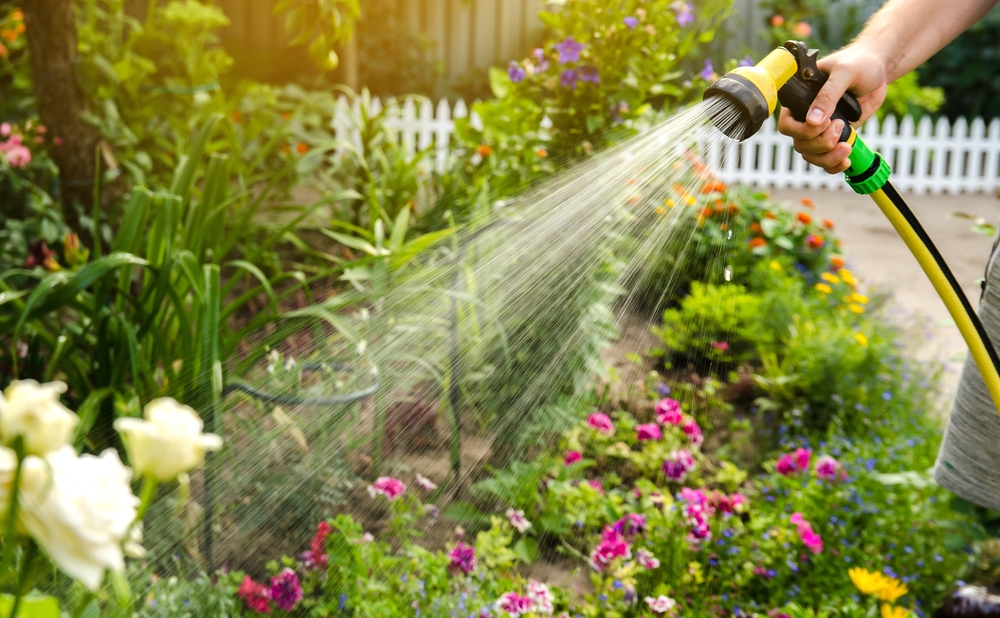
Summer gardens often look like they struggle because of scorching temperatures, but heat alone does not usually deliver the final blow. A far more common culprit hides in plain sight and quietly weakens plants day after day. Many gardeners believe more water automatically means healthier plants during hot spells. That assumption creates conditions that actually suffocate roots and invite disease.
Plants respond to balance, not excess, and summer care requires sharper attention than most seasons demand. When watering habits go unchecked, soil becomes either bone dry or overly saturated with no healthy middle ground. Both extremes stress roots and disrupt nutrient uptake in ways that show up quickly in wilting leaves and stunted growth.
Overwatering Turns Roots Into Victims, Not Survivors
Overwatering ranks as the most destructive summer gardening mistake because it cuts oxygen off from plant roots. Soil that stays constantly wet forces roots to sit in stagnant conditions that encourage rot and fungal growth. Many gardeners see drooping leaves and assume the plant needs even more water, which makes the situation worse. Healthy roots need air pockets in the soil to function properly and absorb nutrients.
This mistake often happens during heatwaves when watering schedules become panic-driven instead of strategic. Gardeners flood beds in the morning and again in the evening without checking soil moisture levels. Plants then develop shallow root systems because they no longer need to search deeper for water. Once a heat spike arrives, those weak root systems fail quickly under stress.
Midday Watering Creates a Fast Track to Plant Stress
Watering during peak sunlight hours causes more damage than most gardeners expect. High temperatures accelerate evaporation, so much of the water never reaches the root zone where it is needed. Leaves that hold water droplets can also experience scorching as sunlight intensifies through magnification effects. This combination leads to stressed foliage even when the soil looks freshly watered on the surface.
Plants also struggle to regulate temperature when sudden cold water hits overheated roots. That shock disrupts natural uptake processes and slows down recovery from heat exposure. Early morning or late evening watering allows moisture to settle evenly into the soil without rapid evaporation. Timing alone often determines whether water actually supports plant health or wastes itself on the surface.
Mulch Mistakes That Trap Heat Instead of Protecting Soil
Mulch serves as a powerful summer tool, but incorrect application turns it into a hidden problem. Too much mulch creates a dense barrier that locks in moisture and heat simultaneously. This environment encourages mold growth and prevents air circulation around the base of plants. Instead of protecting roots, heavy mulch layers can suffocate them.
On the other hand, too little mulch leaves soil exposed to direct sun and rapid drying. That constant cycle of drying and rewetting stresses root systems and reduces overall plant resilience. Organic mulch, like shredded bark or straw, works best when applied in a balanced layer that allows airflow. Proper spacing around stems also prevents rot and keeps pests from settling in unnoticed.
Container Plants Suffer First When Watering Habits Fail
Container gardens feel the impact of watering mistakes faster than in-ground beds. Pots heat up quickly under the summer sun, which causes soil moisture to evaporate at an accelerated rate. Gardeners often respond by overwatering, thinking the plant needs constant hydration to survive. That cycle quickly leads to soggy soil and declining root health.
Drainage plays a critical role in container success, yet many pots lack adequate holes or proper soil blends. Without fast drainage, water pools at the bottom and creates hidden rot zones. Lightweight potting mixes designed for airflow help stabilize moisture levels and prevent sudden plant collapse. Container plants rely heavily on consistent observation because their environment changes much faster than garden beds.
Inconsistent Watering Schedules Confuse Plant Growth Patterns
Plants respond best to predictable moisture cycles rather than irregular flooding and drought swings. When watering shifts unpredictably, roots cannot establish stable growth patterns. This inconsistency forces plants to redirect energy toward survival instead of leaf and flower development. Over time, this weakens their natural resilience against heat and pests.
Gardeners often adjust watering based on daily weather forecasts rather than actual soil conditions. That approach leads to overcorrection, where dry days trigger excessive watering and humid days get ignored. Checking soil depth before watering helps prevent unnecessary stress and keeps moisture levels balanced. Strong gardens depend on observation, not guesswork.
The Real Secret Behind Summer Garden Survival
Heat rarely destroys gardens on its own, but poor watering habits almost always finish the job. The difference between struggling plants and stable ones comes down to timing, balance, and attention to soil conditions. Every garden responds better when moisture supports roots instead of drowning them or leaving them dry. Consistency and observation create stronger plant systems that handle summer extremes more effectively.
Small adjustments in watering habits often produce the biggest improvements in garden health. Paying attention to soil texture, drainage, and timing transforms how plants respond to heatwaves. Many gardens recover quickly once watering routines shift away from panic and toward steady care. Strong summer growth depends less on the quantity of water and more on thoughtful application.
What watering habit has caused the biggest surprise in your garden this summer?
You May Also Like…
The Dollar Store Gardening Finds That Actually Work
Why Watering Consistency Matters More Than Volume
Why Mulch Is Essential for Retaining Soil Moisture
Mulching Magic: Budget-Friendly Ways To Conserve Water And Suppress Weeds
The No-Mow Gardening Trend Saving Homeowners Time and Money

Brandon Marcus is a staff writer for FrugalGardening.com at District Media, Inc., where he delivers practical gardening advice with a relatable, no-nonsense style. An avid amateur gardener, he holds a BA degree and with over ten years of professional writing experience, he is also an award-winning published author whose first book, Questions For Deep Thinkers, was released by Adams Media. His work has appeared in major publications including Fandom.com, CHUD.com, TheColdWire.com, and Fansided.com.
Leave a Reply