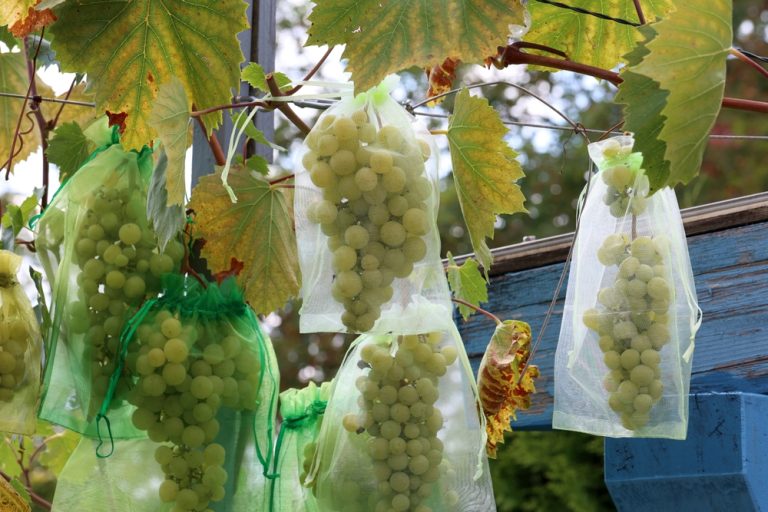
Nothing tests a gardener’s patience quite like watching grape clusters finally plump up, only to discover that birds, wasps, raccoons, or hungry squirrels noticed them first. The weeks before harvest bring the biggest reward, but they also attract every creature in the neighborhood that appreciates a sugary snack. Protecting grapes during this stage often makes…
garden tips
5 Ways to Stabilize Pepper Plants Loaded With Fruit
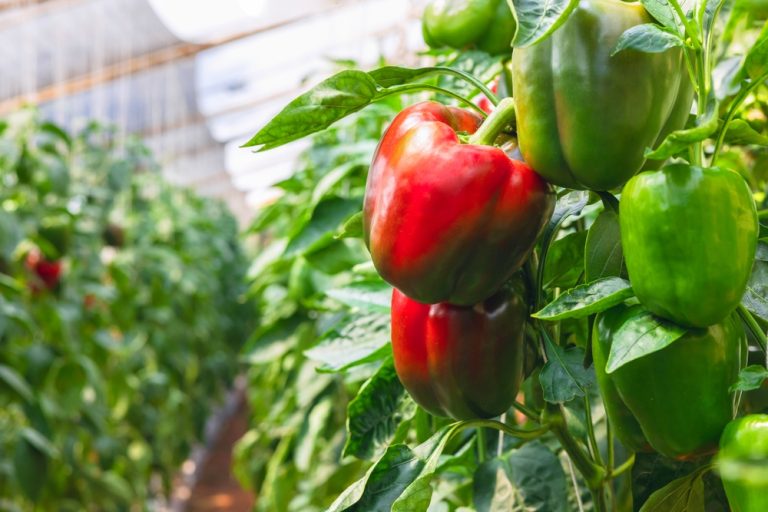
Pepper plants love to surprise gardeners. One week they look compact and tidy, and the next they carry so many glossy peppers that branches lean, bend, and sometimes snap right in the middle of the season. A plant that looked perfectly balanced in June can suddenly resemble a gymnast attempting an impossible pose by August….
5 Ways to Keep Newly Divided Irises From Drying Out
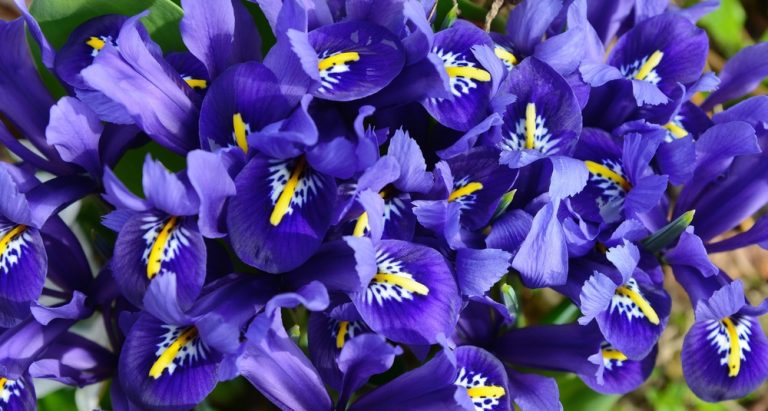
Freshly divided irises look surprisingly tough. Those chunky rhizomes seem almost indestructible sitting on a garden cart, but appearances fool plenty of gardeners every season. Leave them exposed to hot sun, drying wind, or a forgotten afternoon on the driveway, and those healthy divisions can lose precious moisture before they even reach the soil. Keeping…
6 Crops That Can Grow Beneath a Simple Low Tunnel
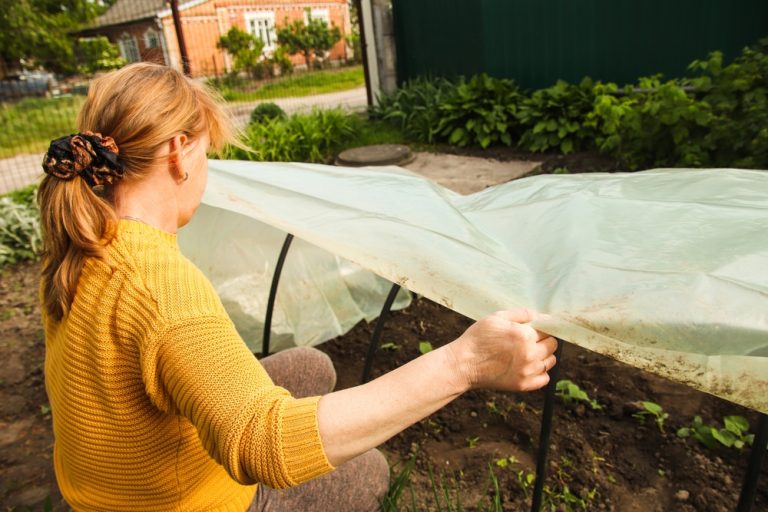
A simple low tunnel can turn a short gardening season into a much longer harvest adventure. With a few hoops, some row cover, and the right crops, gardeners can protect tender plants from chilly nights and keep fresh vegetables coming when outdoor beds slow down. Low tunnels do not require a fancy setup or a…
Why Are Your Figs Dropping Before They Ripen?
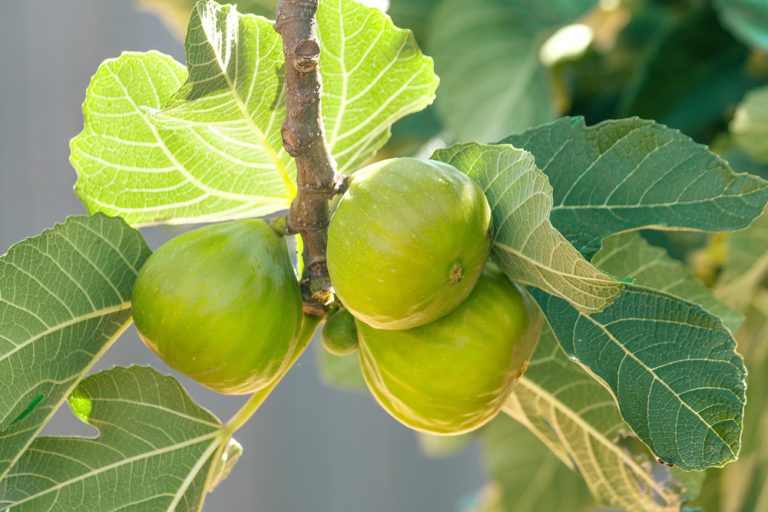
A fig tree loaded with tiny green treasures can create a gardener’s version of heartbreak when those fruits suddenly hit the ground before they become sweet, soft, and ready for picking. Fig trees often drop fruit early because they face stress from water problems, temperature swings, pollination issues, or even the wrong growing conditions. Early…
Are Keystone Plants More Valuable Than a Long Pollinator List?
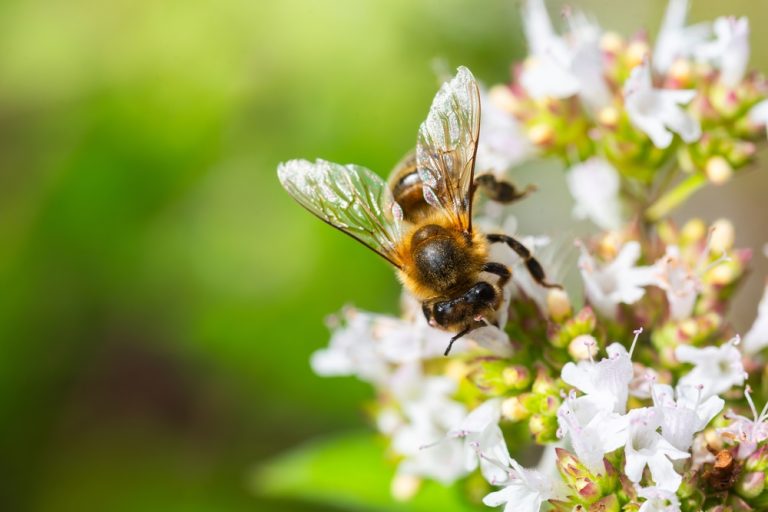
A garden packed with pollinator plants can look like a colorful buffet, but a shorter list featuring the right keystone plants may deliver a much bigger ecological impact. Choosing plants that support entire food webs helps gardeners create spaces where butterflies, bees, birds, and other wildlife find more than just a quick snack. Many gardening…
5 Ways to Turn an Overgrown Herb Bed Into a Fall Harvest
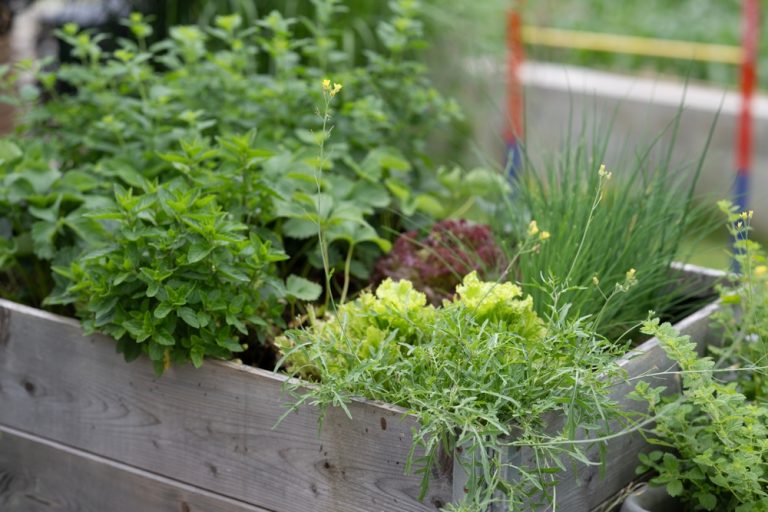
An overgrown herb bed does not mean the gardening season has ended. With a few smart moves, tangled stems and crowded plants can transform into a fresh supply of flavorful herbs for autumn meals, teas, and homemade seasonings. The secret involves more than grabbing pruning shears and attacking the garden like a hedge-trimming superhero. A…
6 Smart Uses for Fallen Pine Needles Around Acid-Loving Plants
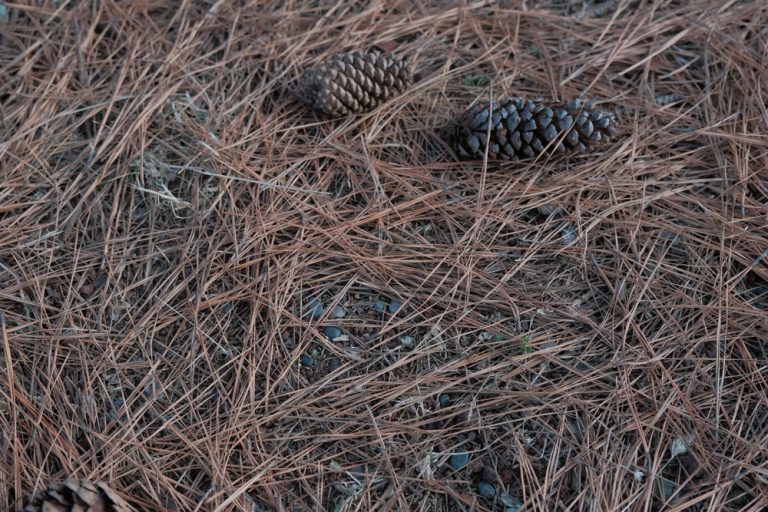
Pine needles often end up as the forgotten gold of the backyard, scattered under trees while gardeners reach for bags of commercial mulch. Around acid-loving plants, those fallen needles can serve a useful purpose, helping create a comfortable growing environment for plants that prefer slightly acidic soil. Instead of sweeping them away like yard clutter,…
Should You Thin Late-Sown Root Crops Differently in Warm Soil?
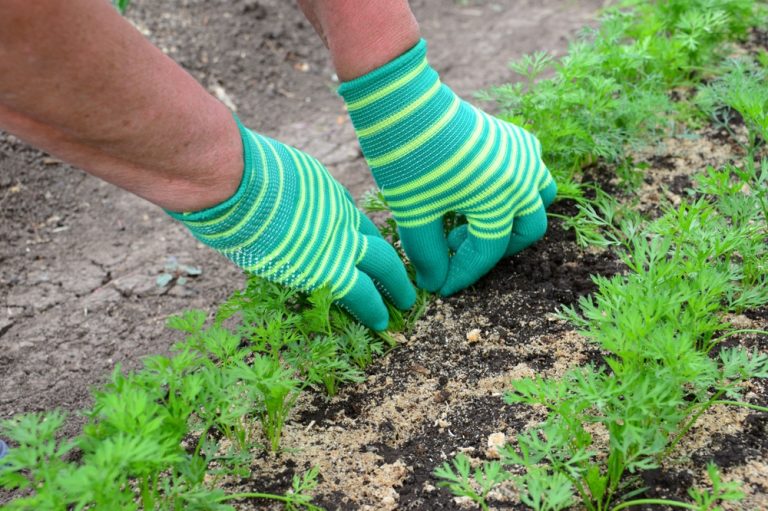
Late-sown root crops need a slightly different game plan when warm soil enters the picture. Carrots, beets, radishes, and turnips do not simply follow the same rules in July or August that they follow during the cool days of spring. Warm soil changes how quickly seeds wake up, how closely seedlings compete, and how much…
8 Edible Flowers That Can Bridge the Gap Between Summer and Fall
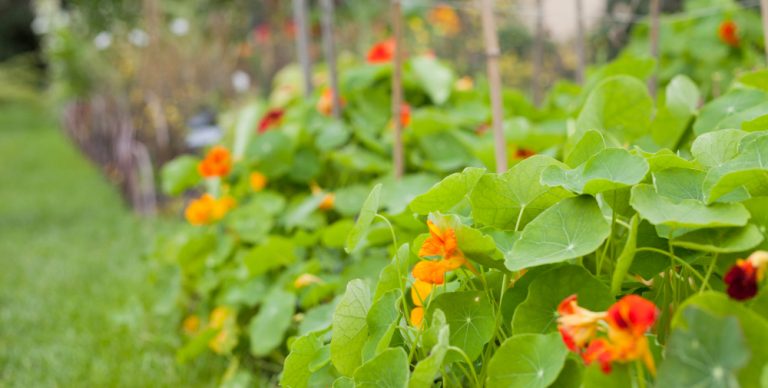
Flowers do more than decorate a garden when summer starts slipping toward autumn. Several colorful blooms can bring fresh flavors to the kitchen, extend the harvest season, and add a little garden excitement when many plants start slowing down. Edible flowers create a fun connection between the overflowing days of summer and the cozy flavors…