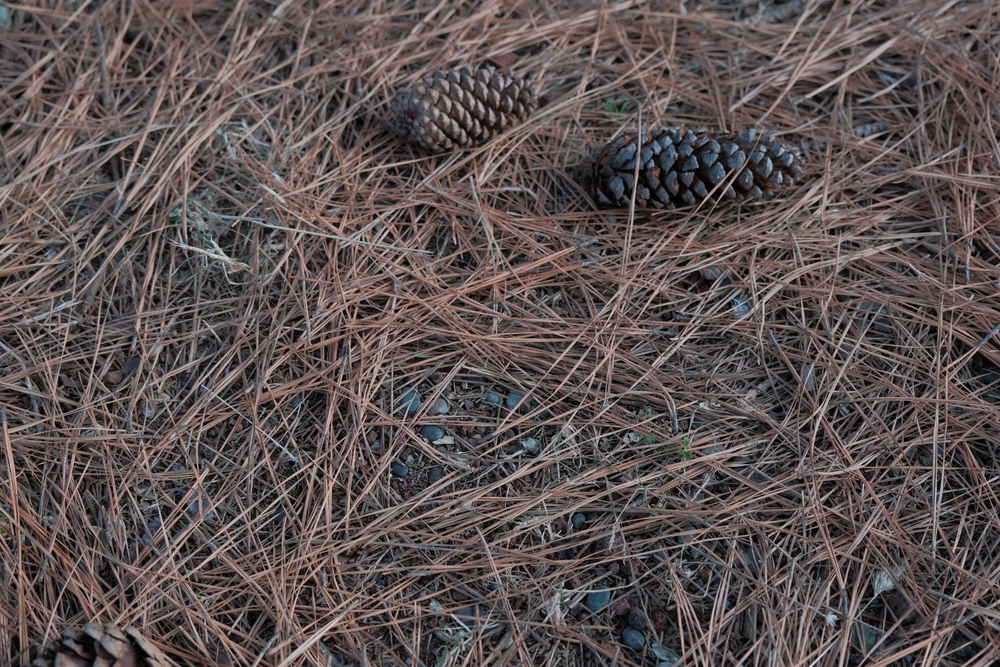
Pine needles often end up as the forgotten gold of the backyard, scattered under trees while gardeners reach for bags of commercial mulch. Around acid-loving plants, those fallen needles can serve a useful purpose, helping create a comfortable growing environment for plants that prefer slightly acidic soil. Instead of sweeping them away like yard clutter, gardeners can turn this natural material into a valuable garden helper.
From blueberries and azaleas to rhododendrons and certain hydrangeas, many popular landscape plants appreciate the conditions pine needles can help maintain. The trick involves using them correctly, because pine needles have a few myths attached to them that deserve a little garden detective work. These lightweight, earthy treasures can do much more than simply sit beneath a pine tree looking decorative.
1. Create a Natural Mulch Layer That Protects Plant Roots
Pine needles make an excellent mulch choice around acid-loving plants because they create a loose layer that allows water and air to move through easily. Gardeners can spread several inches of needles around plants such as blueberries, azaleas, and camellias without creating a heavy, compact blanket. This mulch helps reduce moisture loss during hot weather and keeps soil temperatures more stable during changing seasons. Pine needles also resist matting compared with many other organic mulches, which helps maintain good airflow around the soil surface.
A common gardening myth claims pine needles will drastically change soil acidity overnight, but that does not happen. Fresh needles contain natural compounds, yet they break down slowly and usually have a limited effect on soil pH. A soil test remains the best way to measure garden conditions before making major adjustments. Pine needle mulch works best as a protective layer rather than a quick fix for acidic soil problems.
2. Build Better Compost With Pine Needle Additions
Pine needles can join the compost pile and add valuable brown material that balances wetter green ingredients. Their slower breakdown rate helps create structure inside compost, allowing air pockets to form between materials. Gardeners who mix pine needles with grass clippings, vegetable scraps, and leaves can create a more balanced compost blend. The needles may take longer to decompose, but patience rewards gardeners with a useful soil amendment.
Some gardeners avoid pine needles in compost because they worry about acidity, but a properly managed compost pile handles that concern. As materials break down, microorganisms transform the ingredients and create a more neutral finished product. Small amounts of pine needles mixed throughout the pile work better than dumping a giant pile of needles in one corner. Composting turns those stubborn needles into a resource instead of a cleanup chore.
3. Help Blueberry Plants With A Cozy Ground Cover
Blueberry bushes have a reputation for being picky garden guests, and pine needles can help create the conditions they enjoy. A layer of pine needle mulch around blueberries helps maintain moisture while keeping weeds from competing for resources. The loose texture also makes it easier for gardeners to work around shallow blueberry roots without disturbing them. This simple technique can make blueberry beds easier to maintain throughout the growing season.
Gardeners should avoid piling mulch directly against blueberry stems because constant moisture near the base can encourage problems. Leaving a small gap around the plant crown gives the area better airflow. Pine needles work best when they form a wide ring around the plant rather than a tiny mound pressed against the trunk. Small details often make the difference between a healthy planting area and a frustrating one.
4. Add Protection Around Rhododendrons and Azaleas
Rhododendrons and azaleas often grow beautifully with a pine needle mulch layer because these plants prefer acidic conditions and consistent soil moisture. The needles create a woodland-style setting similar to the environments where many of these plants grow naturally. Gardeners can refresh the mulch each year as older needles break down and blend into the soil. This approach creates a tidy appearance while supporting the plants’ growing needs.
Pine needles also help reduce weed pressure around ornamental shrubs, which saves gardeners time during busy seasons. They provide coverage without hiding the attractive shapes of flowering shrubs. However, gardeners should still check soil conditions if plants show signs of stress, such as yellowing leaves or weak growth. Mulch helps, but it cannot replace proper sunlight, watering, and nutrition.
5. Use Pine Needles for Garden Paths and Decorative Areas
Fallen pine needles can create a soft, natural surface for informal garden paths between acid-loving plant beds. Their texture adds a woodland feel while keeping muddy areas easier to walk through after rain. Gardeners can refresh these paths easily because new needles blend naturally with older layers. This use gives pine needles a second job beyond plant care.
Pine needle paths work best in low-traffic areas because the material breaks down faster than stone or wood chips. They also need occasional replenishing as weather and foot traffic move the layers around. Using local fallen needles keeps the garden connected to its surroundings. A simple material from the yard can add both function and charm.
6. Improve Winter Protection Around Sensitive Plants
Pine needles can provide extra insulation around the root zones of plants that dislike harsh temperature swings. Gardeners often apply a thicker layer before winter arrives, especially around young acid-loving plants that need extra protection. The needles trap small pockets of air, which helps create a buffer against freezing conditions. Their lightweight nature makes spring cleanup much easier than heavier mulches.
Winter mulch requires some timing because gardeners should avoid creating overly wet conditions around plant crowns. Applying needles after the ground cools but before severe freezes often works well. When spring arrives, gardeners can gradually move the mulch aside as temperatures rise. This seasonal strategy turns fallen needles into a practical tool for protecting valuable plants.
Pine Needles Turn Yard Cleanup Into Garden Gold
Fallen pine needles do not belong only in trash bags or at the curb because they offer several useful benefits in the right garden setting. They can serve as mulch, compost material, pathway covering, and seasonal protection for acid-loving plants. Gardeners who use them thoughtfully can reduce waste while creating a more natural landscape. The key involves matching the right use with the right plant and avoiding unrealistic expectations.
A handful of pine needles will not magically transform difficult soil, but they can support good gardening habits over time. Regular soil testing, proper watering, and thoughtful plant placement still matter most. These humble needles simply add another tool to the gardener’s toolbox. Sometimes the best garden supplies come from what falls quietly in the backyard.
Which of these pine needle ideas would you like to try around your own acid-loving plants, and what plants are growing in your garden?
You May Also Like…
What Should You Do When Tomato Leaves Curl but Stay Green?
Stop Throwing Away Lawn Clippings: Use “Leaf Litter” as Mulch to Feed Soil and Save Money
How to Use Pine Needles as Mulch Without Harming Soil
The Cheap Mulch Materials That Can Damage Plants or Soil
Can Reflective Mulch Improve Harvests in Small Vegetable Beds?

Brandon Marcus is a staff writer for FrugalGardening.com at District Media, Inc., where he delivers practical gardening advice with a relatable, no-nonsense style. An avid amateur gardener, he holds a BA degree and with over ten years of professional writing experience, he is also an award-winning published author whose first book, Questions For Deep Thinkers, was released by Adams Media. His work has appeared in major publications including Fandom.com, CHUD.com, TheColdWire.com, and Fansided.com.
Leave a Reply