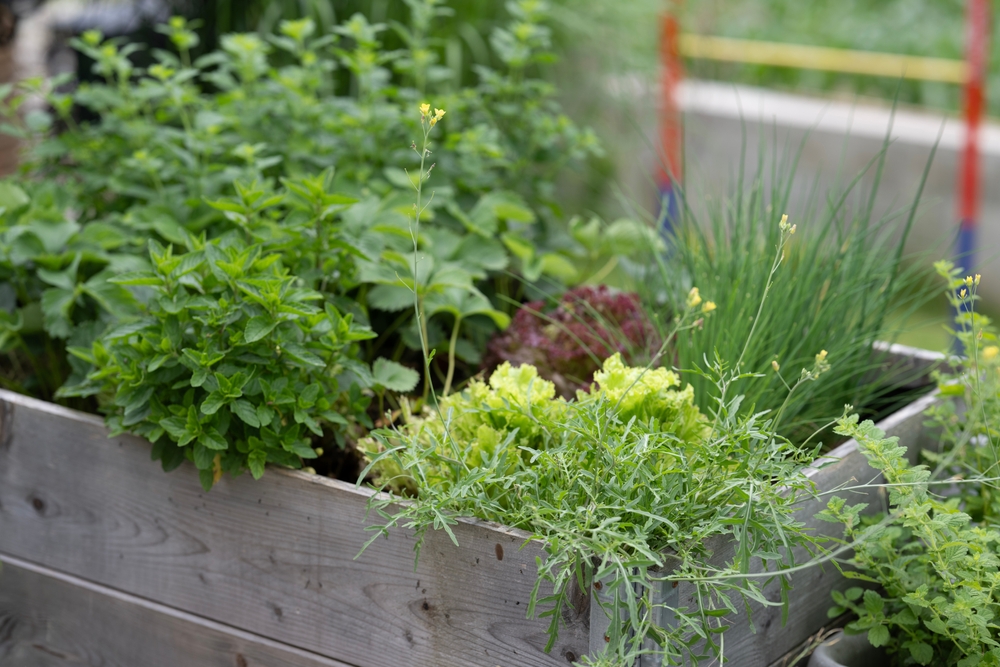
An overgrown herb bed does not mean the gardening season has ended. With a few smart moves, tangled stems and crowded plants can transform into a fresh supply of flavorful herbs for autumn meals, teas, and homemade seasonings.
The secret involves more than grabbing pruning shears and attacking the garden like a hedge-trimming superhero. A successful fall herb rescue requires careful cleanup, a little patience, and knowing which plants deserve a second chance.
1. Cut Back the Chaos and Find the Good Herbs
A forgotten herb bed often looks like a jungle, but a little detective work can reveal plenty of useful plants hiding underneath the mess. Start by trimming dead stems, pulling obvious weeds, and checking each herb before tossing anything into the compost pile. Many perennial herbs, including rosemary, thyme, sage, and oregano, can bounce back after a rough summer with careful pruning. Avoid cutting woody herbs all the way to bare stems because older branches may struggle to produce fresh growth. A tidy bed gives fall herbs more sunlight, airflow, and room to produce flavorful leaves.
Begin cleanup slowly instead of clearing everything in one dramatic garden sweep. Gardeners often discover healthy plants beneath tangled growth, especially when aggressive herbs have wandered into neighboring spaces.
Use clean, sharp pruners when cutting stems because dull tools can crush plant tissue and create ragged cuts. Remove damaged leaves and faded flowers first, then shape the plants with a lighter touch. The goal involves creating a healthier space, not giving every herb a military haircut.
2. Refresh the Soil Without Starting Over
An exhausted herb bed often needs a soil boost after months of growth, watering, and harvesting. Add a thin layer of finished compost around plants to replace nutrients and improve soil texture. Keep compost away from direct contact with herb stems because excess moisture around the crown can encourage problems. A simple soil refresh helps herbs prepare for cooler temperatures and future growth. Good soil care also reduces the temptation to replace plants that only needed better conditions.
Avoid the common mistake of burying herbs under a mountain of fresh material. Many Mediterranean herbs prefer soil that drains well and dislike constantly soggy roots.
Work compost gently into the top layer of soil rather than digging deeply around established roots. Deep digging can disturb root systems that took months to develop. Mulch can help protect soil moisture, but keep the layer light around herbs that prefer drier conditions.
3. Harvest Strategically for a Bigger Fall Supply
A messy herb garden often hides a surprising amount of harvest potential. Fall offers a great opportunity to collect flavorful leaves before cold weather slows many plants down. Pick herbs in the morning after dew dries because the oils that create their signature aromas remain concentrated. Trim healthy stems above a leaf pair so the plant keeps producing new growth. Smart harvesting turns cleanup into a garden reward instead of another chore.
Different herbs need different approaches, and one technique does not fit every plant. Basil, for example, benefits from frequent harvesting before frost, while hardy herbs like thyme and sage handle cooler weather better.
Preserve extra herbs by drying sturdy varieties or freezing softer leaves in small portions. A forgotten herb bed can become a winter flavor station with a little preparation. A jar of homegrown dried oregano or a freezer bag of chopped parsley adds a tiny bit of summer to cold-weather cooking.
4. Fill Empty Spots With Fall-Friendly Herbs
Once an old herb bed gets cleaned up, empty spaces often appear between established plants. Those openings create opportunities for adding herbs that handle cooler temperatures. Cilantro, parsley, chives, and some leafy herbs can provide fresh harvests well into fall in many regions. Choose plants that match the local climate and available sunlight before adding new arrivals. A refreshed bed can become a mix of longtime favorites and seasonal additions.
Fall planting also helps gardeners rethink crowded spaces that once felt impossible to manage. Place taller herbs toward the back and shorter plants near the front so every plant receives enough light.
Leave enough room between herbs to prevent another jungle from forming next season. Crowded plants compete for resources and create hiding places for pests. A little planning now saves a lot of untangling later.
5. Protect the Herb Bed for Continued Harvests
A successful fall herb makeover does not end after the final harvest basket leaves the garden. Protecting the bed helps perennial herbs handle changing weather and return when the growing season begins again. Remove diseased plant material and keep fallen leaves from smothering smaller herbs. Add protective mulch around cold-sensitive plants, but avoid covering the crowns. These simple steps help preserve the work that went into restoring the garden.
Many gardeners assume an overgrown herb bed requires a complete restart, but that approach often wastes healthy plants. Established herbs usually reward careful attention and proper seasonal care.
Take notes about which plants performed well and which ones struggled. Those observations make future garden decisions easier and help create a more productive herb space. The best gardens evolve through small improvements rather than constant replacements.
Turn Garden Clutter Into a Flavorful Fall Treasure
An overgrown herb bed can look like a gardening failure, but it often hides a valuable harvest waiting for attention. Cleanup, soil care, thoughtful harvesting, and seasonal planting can transform a tangled patch into a useful fall garden. Every snip of the pruner and handful of compost moves the space closer to a healthier, more organized herb collection. The process also teaches an important gardening lesson: plants often need guidance, not abandonment. A little work now can fill kitchens with fresh flavors long after summer disappears.
A neglected herb garden does not need a dramatic rescue mission worthy of a gardening television show. It needs observation, patience, and a few practical decisions made at the right time. With the right approach, even a messy herb bed can become one of the most rewarding corners of the yard.
What herb has surprised you by coming back strong after a little garden cleanup? Share your favorite fall herb rescue stories in the comments!
You May Also Like…
6 Reasons Gardeners Are Mixing Herbs Into Flower Borders
What Should You Do When a Raised Bed Sinks Midseason?
Drought‑Resistant Herbs and Spices: Rosemary, Thyme and Sage Thrive with Minimal Water
Why Are Wasps Hovering Around Your Garden Beds?
Why Grass Clippings Can Carry Herbicide Into Vegetable Beds

Brandon Marcus is a staff writer for FrugalGardening.com at District Media, Inc., where he delivers practical gardening advice with a relatable, no-nonsense style. An avid amateur gardener, he holds a BA degree and with over ten years of professional writing experience, he is also an award-winning published author whose first book, Questions For Deep Thinkers, was released by Adams Media. His work has appeared in major publications including Fandom.com, CHUD.com, TheColdWire.com, and Fansided.com.
Leave a Reply