Late-sown root crops need a slightly different game plan when warm soil enters the picture. Carrots, beets, radishes, and turnips do not simply follow the same rules in July or August that they follow during the cool days of spring.
Warm soil changes how quickly seeds wake up, how closely seedlings compete, and how much attention young plants need from the gardener. A few thoughtful adjustments during thinning can help roots develop better shape, avoid overcrowding, and produce a more satisfying harvest instead of a tangled underground mystery.
Warm Soil Changes the Early Growth Race
Late-season soil often gives seeds a faster start because warmth encourages quicker germination. That speedy beginning sounds wonderful, but it also means tiny seedlings can crowd together before anyone notices. A row of carrots can transform from neat little green dots into a miniature jungle surprisingly fast.
Gardeners who sow root crops during warm weather should check rows more often and thin earlier. Waiting too long can create a traffic jam below the surface, where roots fight for water, nutrients, and room to expand. Small seedlings may look harmless above ground, but underground competition happens quietly.
The biggest challenge comes from balancing moisture and spacing. Warm soil can dry quickly, especially near the surface where tiny seeds need steady moisture to begin growing. A careful gardener keeps an eye on the soil and avoids letting seedlings struggle through hot, dry conditions.
Late-sown crops also face different seasonal pressures than spring crops. A young carrot seedling growing during a hot stretch deals with stronger sunlight and faster evaporation. Thinning at the right moment helps each plant claim its own little patch of garden real estate.
Thin Gently and Give Roots Room to Stretch
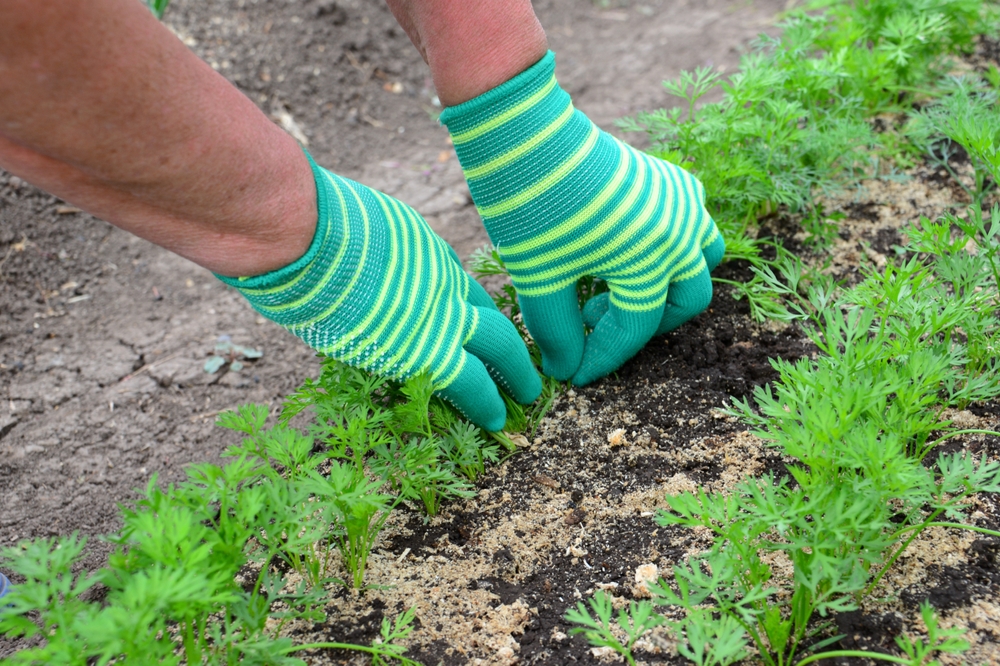
Thinning late-sown root crops requires a gentle touch because young roots can suffer from rough handling. Carrots and other root vegetables do not enjoy having neighbors yanked out carelessly nearby. Pulling one seedling too aggressively can disturb the roots of the plants that remain.
Instead, gardeners can snip unwanted seedlings at soil level with clean scissors. This simple trick removes competition without shaking the surrounding plants. It feels almost too easy, but sometimes the best garden solutions involve a tiny pair of scissors and a little patience.
Spacing depends on the crop and the final size desired. Small radishes need less room than large carrots, while beets appreciate enough space for their round roots to develop. Late-season gardeners often benefit from following the seed packet guidance while paying close attention to how quickly plants grow. Warm conditions can encourage leafy growth before roots reach their full size. Thinning helps redirect resources toward the vegetables hidden beneath the soil. A crowded carrot patch might look lush and green, but the harvest can reveal a collection of skinny, twisted roots that resemble garden noodles.
Adjusting Water and Timing Makes a Difference
Late-sown root crops need consistent care after thinning because warm soil creates a demanding environment. Removing extra seedlings reduces competition, but the remaining plants still need reliable moisture. Uneven watering can lead to cracked carrots, tough radishes, and disappointing root shapes.
Morning watering often works well because it gives plants time to absorb moisture before afternoon heat arrives. Gardeners should water deeply enough to reach developing roots rather than only wetting the top layer of soil. A shallow sprinkle may look helpful, but it often leaves roots searching for moisture.
Mulch can also help late-season gardens maintain more stable soil conditions. A light layer of compost, shredded leaves, or straw can reduce moisture loss and protect the soil surface. The goal involves creating a calmer environment for roots during unpredictable summer weather.
Small Changes Create Better Roots
Late-sown root crops do benefit from different thinning strategies when warm soil enters the equation. Gardeners should focus on earlier checks, careful removal of extra seedlings, and steady moisture rather than treating every planting like a spring crop. Those small changes can prevent crowded roots and improve the final harvest.
The garden often gives clues long before harvest day arrives. Crowded leaves, slow growth, and tiny seedlings competing for sunlight all signal that a little thinning may help. Paying attention turns gardening from guesswork into a conversation with the plants.
The best late-season harvests often come from small decisions made early. Giving roots enough room, moisture, and attention allows each plant to develop its own underground masterpiece. A little space can make a surprisingly big difference beneath the soil.
What late-sown root crops have you grown successfully, and what thinning tricks helped your garden produce the best harvest? Share your gardening experiences and tips in the comments.
You May Also Like…
5 Crops That Fit Into Narrow Side-Yard Gardens
7 Crops That Can Be Grown Under Taller Summer Plants
Low-Cost Ways to Keep Deer Away From Ripening Crops
Turn Rain Barrels into Low-Tech Irrigation by “Puncturing” Them—Let Water Drip Slowly to Plant Roots
How to Protect Roots From Late Frosts Without Covers

Brandon Marcus is a staff writer for FrugalGardening.com at District Media, Inc., where he delivers practical gardening advice with a relatable, no-nonsense style. An avid amateur gardener, he holds a BA degree and with over ten years of professional writing experience, he is also an award-winning published author whose first book, Questions For Deep Thinkers, was released by Adams Media. His work has appeared in major publications including Fandom.com, CHUD.com, TheColdWire.com, and Fansided.com.
Leave a Reply