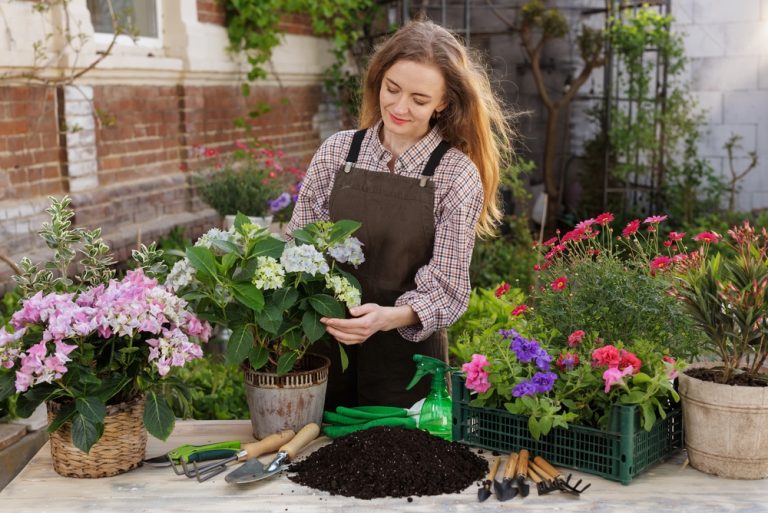
The old gardening rulebook says outdoor plants belong outside and houseplants belong inside, but plenty of gardeners now enjoy bending that rule. An “in-and-out plant” can spend part of the year outdoors soaking up natural light and fresh air, then move indoors when temperatures, frost, or harsh weather create trouble. This approach gives gardeners another…
5 Ways to Turn an Unused Corner Into a Perennial Food Patch
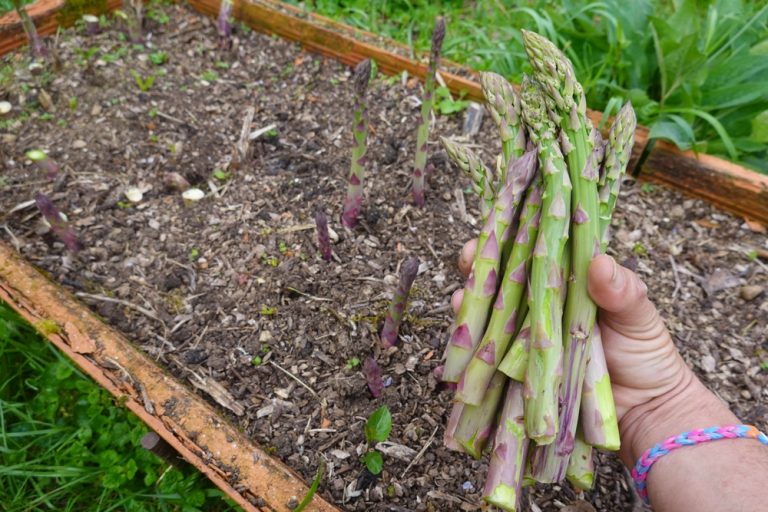
That awkward corner of the yard does not need to remain the place where forgotten pots, a hose, and one suspiciously rusty shovel go to retire. With the right perennial edibles, even a small, overlooked patch can become a dependable source of food that returns year after year with far less replanting than an annual…
This Invasive Plant Can Cause Severe Skin Burns — Here’s How to Recognize It
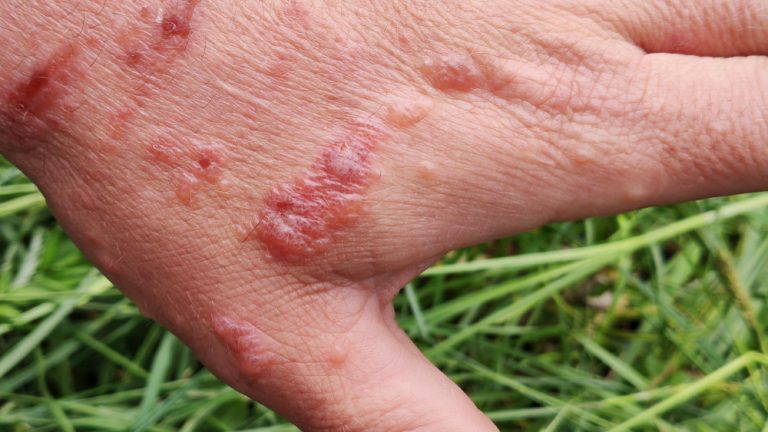
Giant hogweed looks like the sort of enormous, dramatic plant that belongs in a fantasy garden, but getting too close can turn a pleasant walk or weekend yard project into a medical problem. Its clear, watery sap contains compounds that can make skin extremely sensitive to ultraviolet light, leading to painful burns and blisters after…
7 Red Flags That an Online Seed Listing May Be a Scam
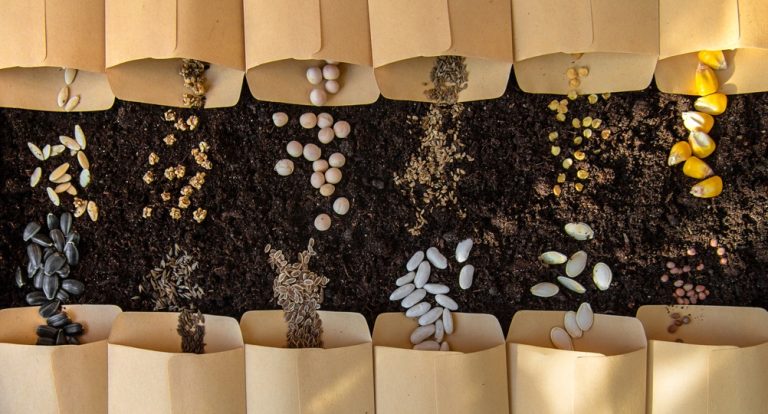
A packet of seeds can look like a tiny promise in an envelope, especially when the listing shows a rose with rainbow petals, a sunflower shaped like a teddy bear, or a flower that appears to glow from the inside. The problem starts when that gorgeous picture has more to do with artificial intelligence than…
Should You Add Compost Before Planting Spring Bulbs?
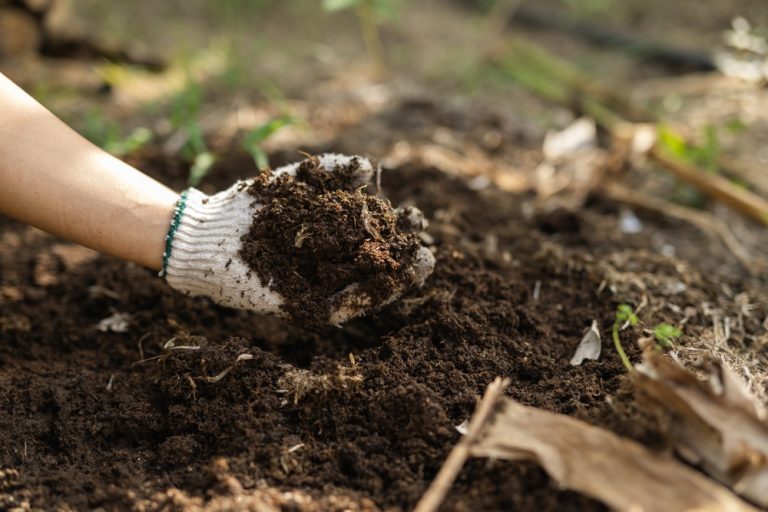
Spring bulbs bring a little seasonal magic to the garden, but getting them into the ground involves more than digging a hole and dropping them in. If compost sits nearby, it can look like an obvious helper, especially when the soil looks tired, compacted, or generally unimpressed with its gardening assignment. The good news is…
Is a Fire-Safe Garden Possible Without Removing Every Shrub?
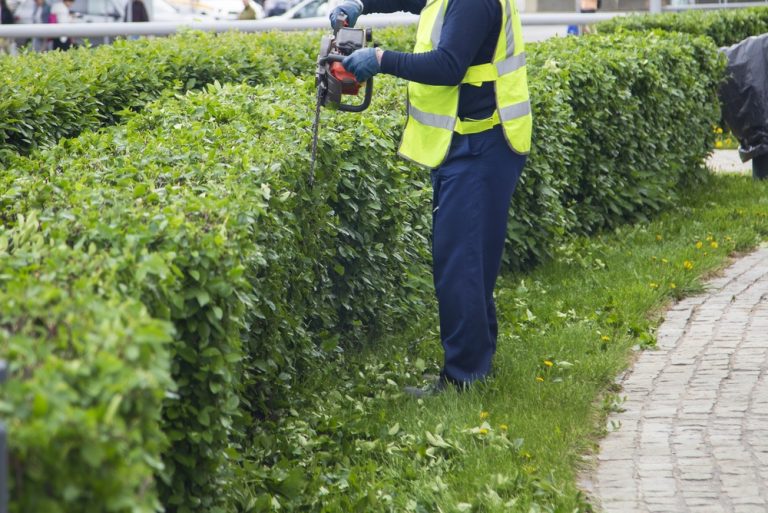
A fire-safe garden does not require turning the yard into a gravel parking lot or sending every beloved shrub to the chipper. Smart landscaping can reduce wildfire risk while keeping flowers, greenery, shade, privacy, and plenty of garden personality. The trick involves changing how plants sit, how much dead material they carry, and how close…
Can Your HOA Force You to Grow Grass? One Maryland Couple Is Fighting That Battle

Can an HOA really tell a homeowner to rip out a garden and put grass back? In Maryland, the answer gets surprisingly interesting, especially after Janet and Jeff Crouch fought their HOA over a yard filled with native plants, flowers, trees, and habitat instead of a conventional carpet of turf. Their dispute helped spark a…
7 Ways to Make a Garden More Useful After Sunset
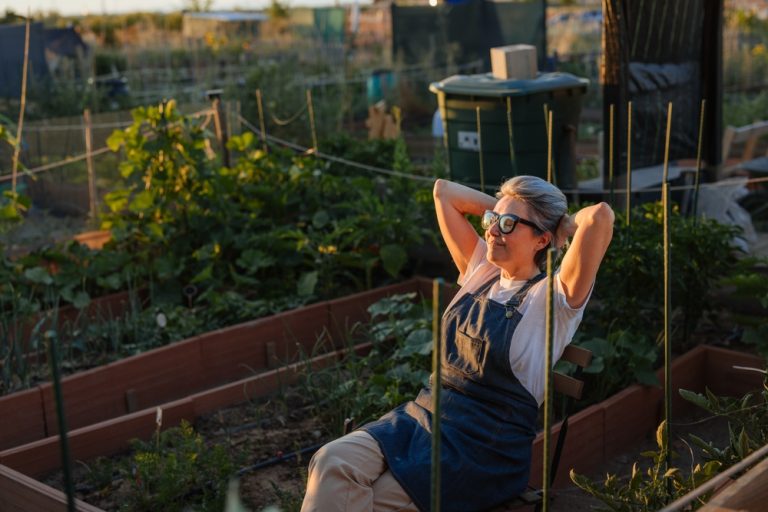
A garden does not have to clock out when the sun disappears. With a few smart additions, the same patch of soil that produces tomatoes, flowers, herbs, and leafy greens during the day can become a comfortable place to relax, entertain, cook, or simply enjoy the cooler evening air. The trick involves designing for nighttime…
What Should You Do When Ground Cherries Fall Before Ripening?
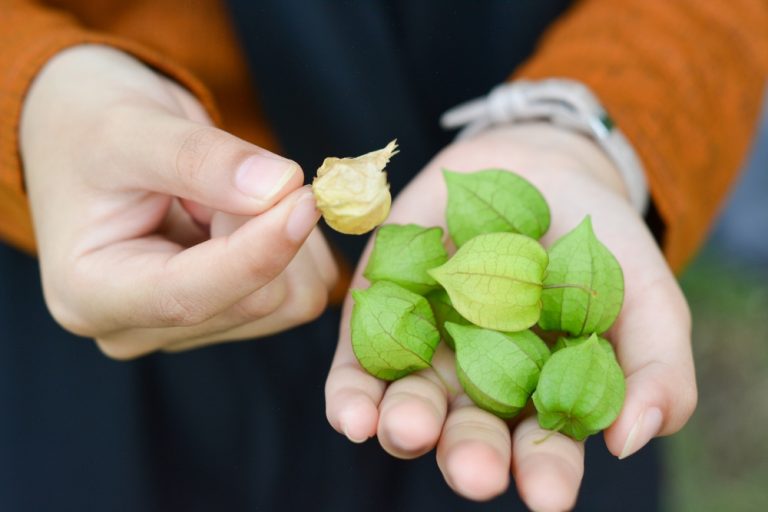
Ground cherries have one wonderfully strange harvest signal: they fall off the plant when they ripen. But when those little papery husks hit the soil while the fruit inside still looks green, the garden suddenly feels like it has changed the rules halfway through the game. The good news is that a few early drops…
6 Crops That Can Be Blanched for Better Flavor
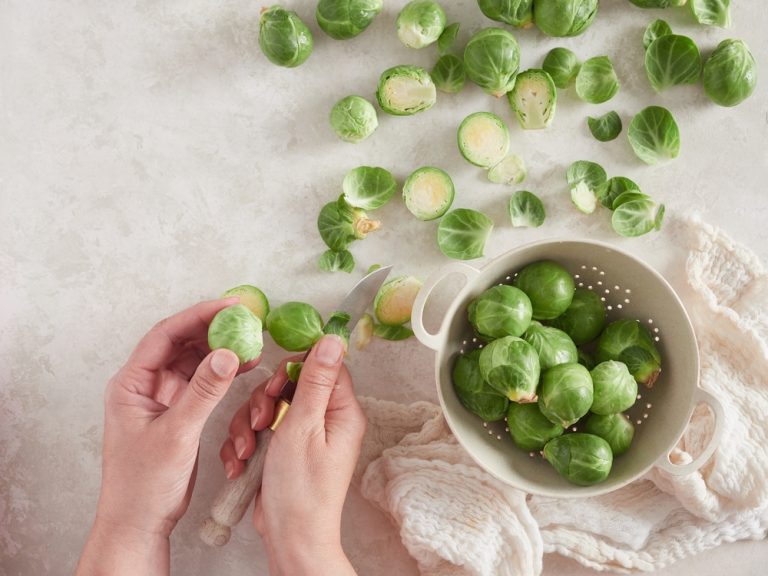
Blanching does more than prepare vegetables for the freezer. A quick dip in boiling water can soften harsh flavors, tame bitterness, loosen tough textures, and make certain garden vegetables taste noticeably more pleasant at the table. It sounds like a small cooking trick, but the difference can be surprisingly dramatic. The key lies in timing….