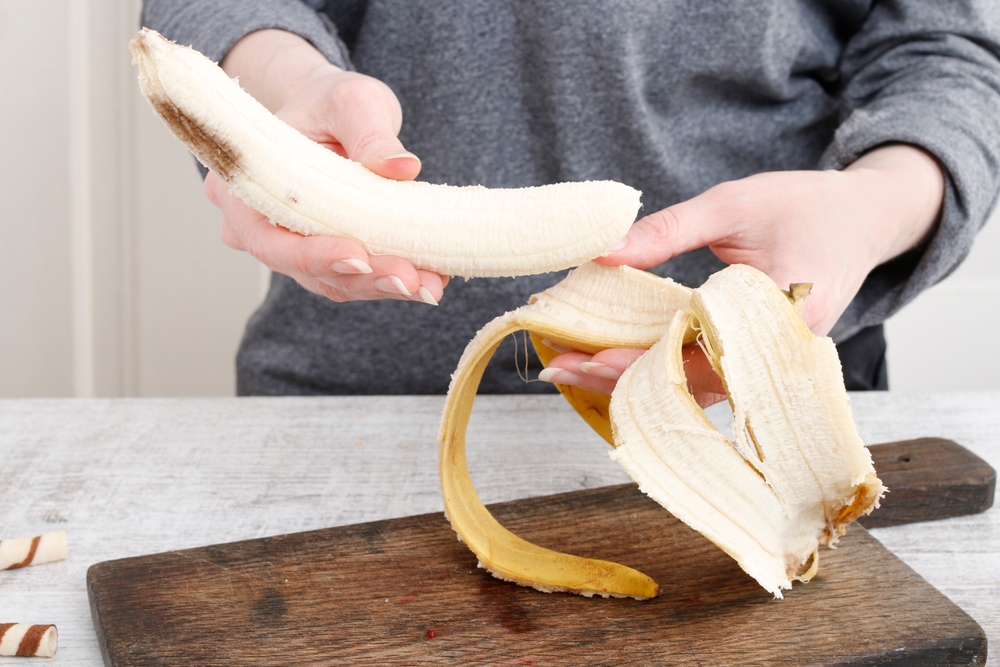
Banana peels rarely get the respect they deserve, yet they hold surprising power for any garden on a budget. Packed with essential nutrients, these humble scraps deliver a natural boost that store-bought fertilizers often struggle to match without a hefty price tag. Gardeners who chase healthy soil and vibrant plants increasingly turn to this kitchen leftover for a simple, effective solution.
The best part? Every peel already sits in the trash bin, waiting for a second life. Smart savers recognize that tossing banana peels means throwing away free plant fuel.
Why Banana Peel Fertilizer Packs a Nutrient Punch
Banana peel fertilizer delivers potassium, phosphorus, and calcium, which plants crave for strong growth and vibrant blooms. Potassium helps regulate water movement in plant cells, keeping leaves firm and resilient during hot weather. Phosphorus supports root development and encourages flowers and fruit to form with more consistency.
Calcium strengthens cell walls, reducing issues like blossom end rot in tomatoes and peppers. This natural mix makes banana peels a surprisingly balanced addition to any garden routine.
Easy Ways to Turn Banana Peels Into Plant Food
Gardeners can chop banana peels into small pieces and bury them directly in the soil near plant roots for a slow-release effect. Some prefer soaking peels in water for a few days to create a mild “banana tea” that nourishes plants without overwhelming them. Drying and grinding peels into powder creates a shelf-stable fertilizer that blends easily into potting mixes. Compost piles also benefit from banana peels, as they break down quickly and enrich the overall nutrient profile. Each method offers flexibility, making banana peel fertilizer accessible for beginners and seasoned gardeners alike.
Plants That Thrive With Banana Peel Fertilizer
Flowering plants like roses, hibiscus, and marigolds respond especially well to banana peel fertilizer due to its potassium content. Fruit-bearing plants such as tomatoes, peppers, and strawberries also benefit from stronger root systems and improved fruit production.
Houseplants, including pothos and peace lilies, show healthier leaves and more vibrant growth when fed small amounts of this natural boost. Garden beds with nutrient-poor soil gain noticeable improvement after consistent use of banana-based feeding. Matching the fertilizer to plant needs ensures better results and avoids overuse.
Common Mistakes Gardeners Should Avoid
Overloading soil with banana peels can attract pests like fruit flies or create unpleasant odors if gardeners skip proper preparation. Large chunks buried too close to roots may decompose slowly and disrupt soil balance instead of helping it. Applying banana peel fertilizer too frequently can lead to nutrient imbalances, especially in already fertile soil.
Some gardeners assume peels provide all necessary nutrients, yet plants still require nitrogen from other sources. Careful use keeps the benefits high while preventing unnecessary setbacks.
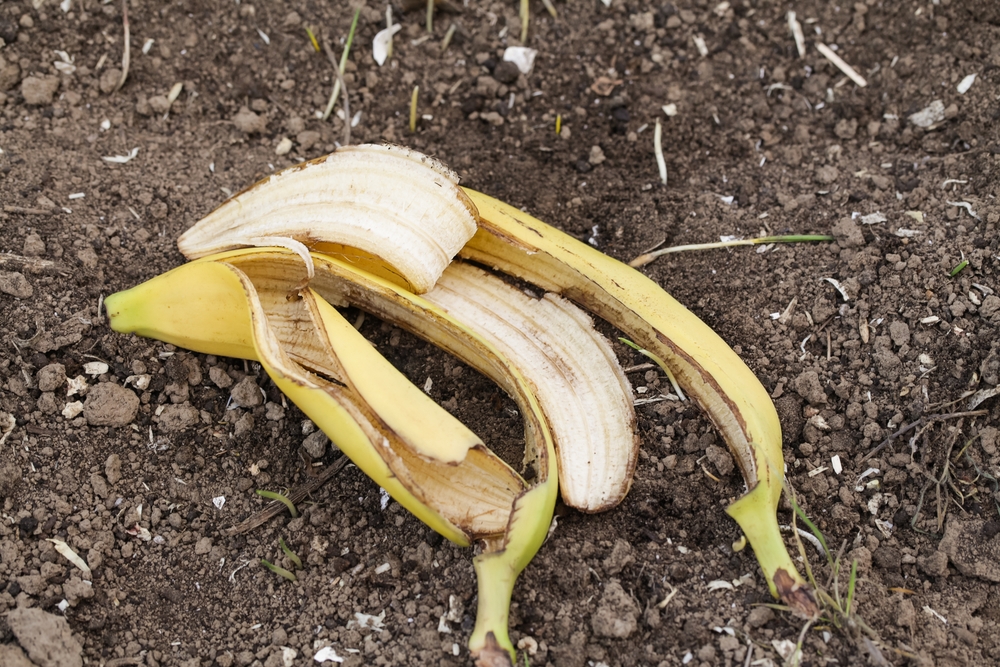
How Banana Peels Save Money Without Cutting Corners
Banana peel fertilizer offers a practical way to reduce gardening costs without sacrificing plant health or yield. Store-bought fertilizers often cost between $10 and $30 per bag, while banana peels come essentially free with regular grocery purchases. Households that eat bananas weekly can generate a steady supply of fertilizer without extra effort.
This approach aligns perfectly with frugal living strategies that prioritize reuse and waste reduction. Over time, small savings from skipping commercial fertilizers can add up significantly.
The Science Behind the Soil Boost
Microorganisms in the soil break down banana peels and release nutrients in a form that plants can absorb efficiently. This natural decomposition process improves soil structure and encourages beneficial microbial activity. Healthy soil ecosystems support stronger roots, better water retention, and improved resistance to disease.
Unlike synthetic fertilizers, banana peel fertilizer integrates smoothly into the soil without causing chemical buildup. That balance helps maintain long-term soil health, which remains essential for consistent gardening success.
Turning Kitchen Scraps Into Garden Gold
Banana peel fertilizer transforms everyday waste into a powerful gardening ally that saves money and boosts plant health. Gardeners who embrace this method gain more control over what goes into their soil while reducing reliance on store-bought products. Simple techniques like soaking, composting, or burying peels make the process approachable for any skill level. Consistency delivers the best results, especially when combined with other organic practices. Banana peels prove that smart gardening often starts with what already sits in the kitchen.
Have banana peels made a difference in your garden yet, or do you have a favorite way to use them? We want to hear your thoughts in our comments section below!
You May Also Like…
Why Your “Weeds” Are Actually a Free Superfood Salad
Forget Fancy Fertilizers: The “Compost Tea” Recipe That Costs Zero Dollars
The “Trash” Fertilizer: 5 Household Waste Items Your Tomatoes Crave
Why Some Plants Reject Fertilizer and How to Adjust
How to Rejuvenate Old Fertilizer Instead of Throwing It Away

Brandon Marcus is a staff writer for FrugalGardening.com at District Media, Inc., where he delivers practical gardening advice with a relatable, no-nonsense style. An avid amateur gardener, he holds a BA degree and with over ten years of professional writing experience, he is also an award-winning published author whose first book, Questions For Deep Thinkers, was released by Adams Media. His work has appeared in major publications including Fandom.com, CHUD.com, TheColdWire.com, and Fansided.com.
Leave a Reply