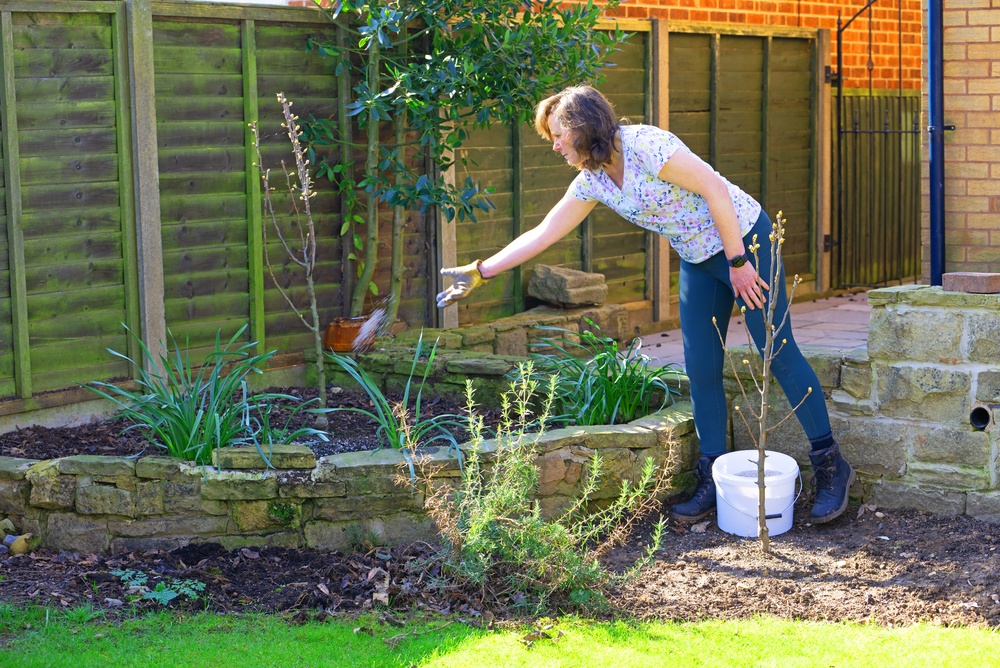
Lush leaves and explosive growth might look like success, but too much of a good thing can quietly sabotage an entire garden. Store-bought fertilizers promise fast results, glossy foliage, and bumper harvests, yet they often deliver a hidden cost when used without restraint. Gardeners eager to boost production frequently fall into the over-fertilizing trap, unknowingly stressing plants and damaging soil health.
What starts as a generous feeding routine can quickly turn into a cycle of dependency, weak roots, and disappointing yields. A smarter approach doesn’t require more product—it demands better timing, balance, and awareness.
The Hidden Damage of Over-Fertilizing Your Plants
Excess fertilizer floods plants with nutrients they cannot properly absorb, creating chemical imbalances that disrupt normal growth cycles. Leaves may turn dark green and oversized at first, but roots struggle to keep up, leading to fragile structures beneath the soil. Salt buildup from synthetic fertilizers often scorches roots, reducing the plant’s ability to take in water and essential micronutrients. Garden beds that receive frequent heavy feeding gradually lose their natural microbial life, which plays a critical role in nutrient cycling. Over time, plants become dependent on constant feeding while producing fewer fruits, flowers, or vegetables.
This pattern shows up clearly in home gardens where tomatoes grow massive vines but yield very little fruit. The plant channels energy into leafy growth instead of reproduction, leaving gardeners confused despite “doing everything right.” Soil tests in these cases often reveal excessive nitrogen levels, a direct result of over-fertilizing habits. Once imbalance sets in, correcting it takes patience and restraint rather than another round of feeding. Cutting back allows the soil ecosystem to recover and encourages plants to rebalance their growth naturally.
Why Expensive Fertilizers Often Make the Problem Worse
Premium fertilizers often contain highly concentrated nutrients designed for rapid absorption, which increases the risk of overuse. Marketing labels emphasize quick results, encouraging gardeners to apply more frequently than necessary. These formulas rarely account for existing soil conditions, leading to nutrient stacking that overwhelms plant systems. Instead of improving plant health, repeated applications create a cycle where plants appear to need more fertilizer to maintain growth. The result feels like progress but actually masks underlying stress and imbalance.
High-end products also tend to prioritize nitrogen-heavy blends, which push aggressive foliage growth at the expense of flowers and fruit. Gardeners chasing bigger harvests often double down, assuming more product equals better results. In reality, plants require a balanced mix of nutrients delivered at the right time, not in excess. Expensive fertilizers can accelerate damage faster simply because they pack more potency into each application. A measured, soil-first approach consistently outperforms heavy reliance on costly inputs.
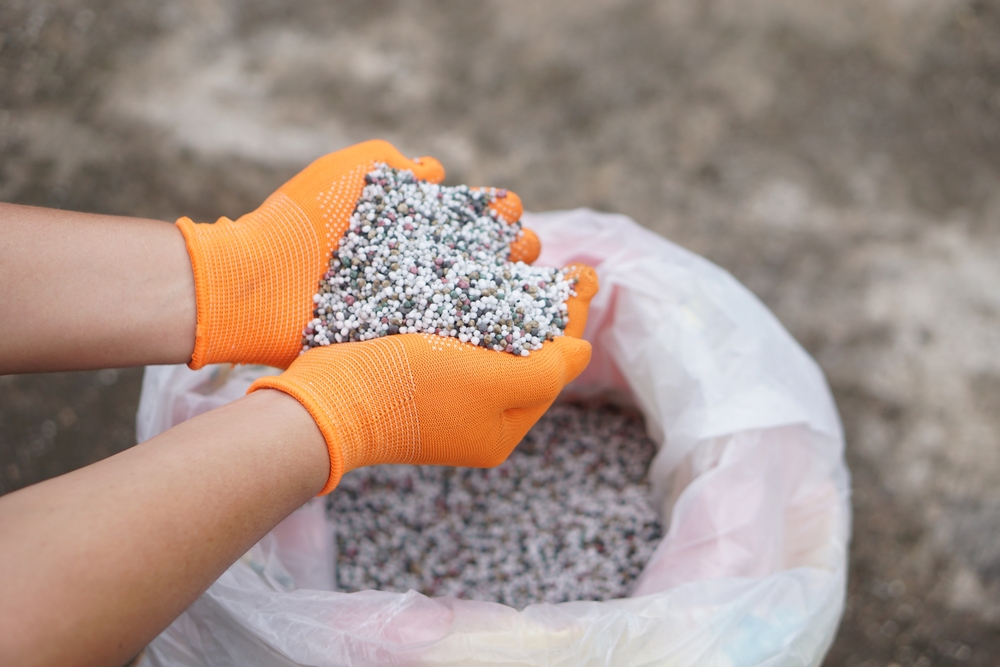
Signs You’ve Fallen Into the Over-Fertilizing Trap
Plants send clear signals when fertilizer levels exceed safe limits, though these signs often get misinterpreted. Leaf tips may turn brown or crispy, a classic symptom of fertilizer burn caused by salt accumulation. Growth can appear rapid but weak, with stems that bend easily or fail to support fruit. Yellowing leaves may also develop despite frequent feeding, indicating nutrient lockout rather than deficiency. Soil surfaces sometimes develop a crusty white layer, a visible warning that excess salts have built up.
Gardeners often respond to these symptoms by adding even more fertilizer, which compounds the problem instead of solving it. This reaction stems from the assumption that poor plant health always signals a lack of nutrients. In reality, over-fertilizing creates conditions where plants cannot access what they already have. Recognizing these warning signs early prevents long-term damage to both plants and soil. Adjusting feeding habits quickly can reverse many of these issues before they become permanent setbacks.
Smarter Feeding Strategies That Actually Boost Growth
Healthy gardens thrive on balance, not excess, and that starts with understanding what the soil already contains. A simple soil test provides clarity and eliminates guesswork, allowing for precise nutrient adjustments instead of blanket applications. Slow-release fertilizers or organic options like compost deliver nutrients gradually, reducing the risk of overload. Timing also matters, as plants need different nutrients during various growth stages rather than constant feeding. Applying fertilizer only when plants actively require it leads to stronger roots and more productive harvests.
Watering practices play a crucial role in preventing over-fertilizing damage as well. Deep, consistent watering helps flush excess salts from the soil and keeps nutrient levels stable. Rotating crops and incorporating organic matter rebuilds soil health naturally, reducing dependence on synthetic inputs. Gardeners who shift focus from feeding plants to nourishing soil often see dramatic improvements in plant resilience. This approach creates a sustainable system where less input produces better results over time.
The Real Secret to Bigger Harvests Without Over-Fertilizing
Bigger harvests come from healthier ecosystems, not heavier fertilizer use, and that shift changes everything in the garden. Plants grown in balanced soil develop deeper roots, making them more resistant to stress, pests, and disease. Instead of chasing rapid growth, successful gardeners focus on steady, consistent development that supports long-term productivity. Reducing fertilizer use often leads to better flavor, stronger plants, and more reliable yields. The goal moves from forcing growth to supporting it naturally.
Breaking free from the over-fertilizing trap saves money while improving results, making it a win on every level. Expensive fertilizers lose their appeal once gardeners realize how little plants actually need to thrive.
What changes could make the biggest difference in your garden this season? Let’s talk about fertilizing in the comments below.
You May Also Like…
Forget Fancy Fertilizers: The “Compost Tea” Recipe That Costs Zero Dollars
How to Get 50 Gallons of Fertilizer for the Price of a Packet of Seeds
Why Some Plants Reject Fertilizer and How to Adjust
How to Turn Kitchen Scraps Into Nutrient-Rich Fertilizer
How to Rejuvenate Old Fertilizer Instead of Throwing It Away

Brandon Marcus is a staff writer for FrugalGardening.com at District Media, Inc., where he delivers practical gardening advice with a relatable, no-nonsense style. An avid amateur gardener, he holds a BA degree and with over ten years of professional writing experience, he is also an award-winning published author whose first book, Questions For Deep Thinkers, was released by Adams Media. His work has appeared in major publications including Fandom.com, CHUD.com, TheColdWire.com, and Fansided.com.
Leave a Reply