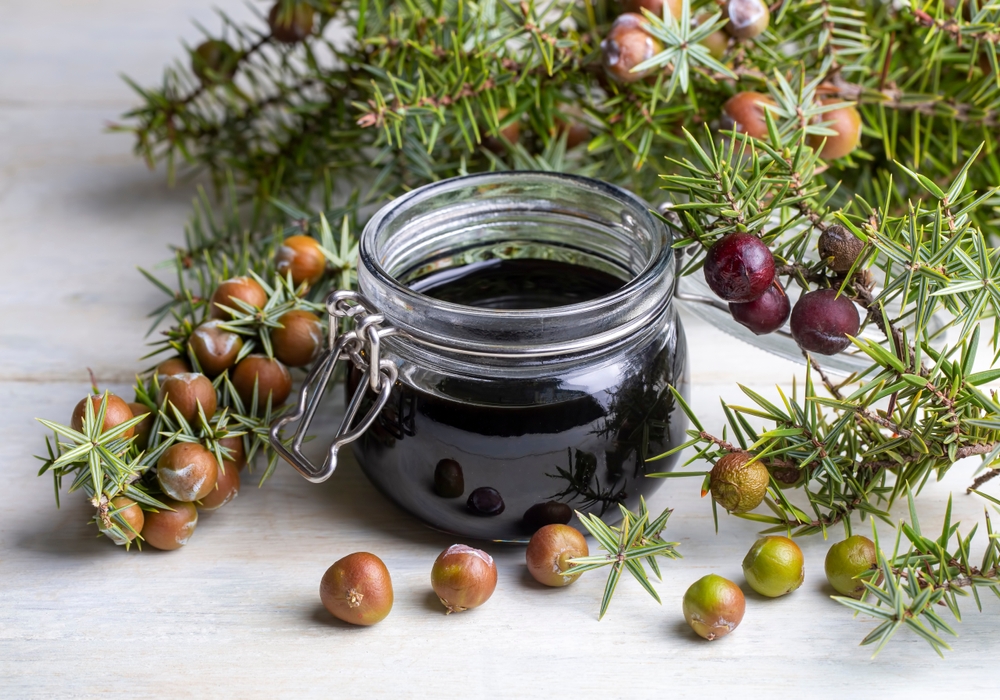
Garden beds don’t run on luck—they run on life. Beneath every thriving plant sits a bustling underground world of microbes, fungi, and organic matter working nonstop to fuel growth. Toss a little sugar into that system, and suddenly things kick into overdrive like a backyard party that got out of hand. That’s where molasses steps in, turning ordinary soil into a microbial buffet with real, visible results. Gardeners who tap into this simple trick often see stronger plants, richer soil, and surprisingly vibrant harvests without expensive additives.
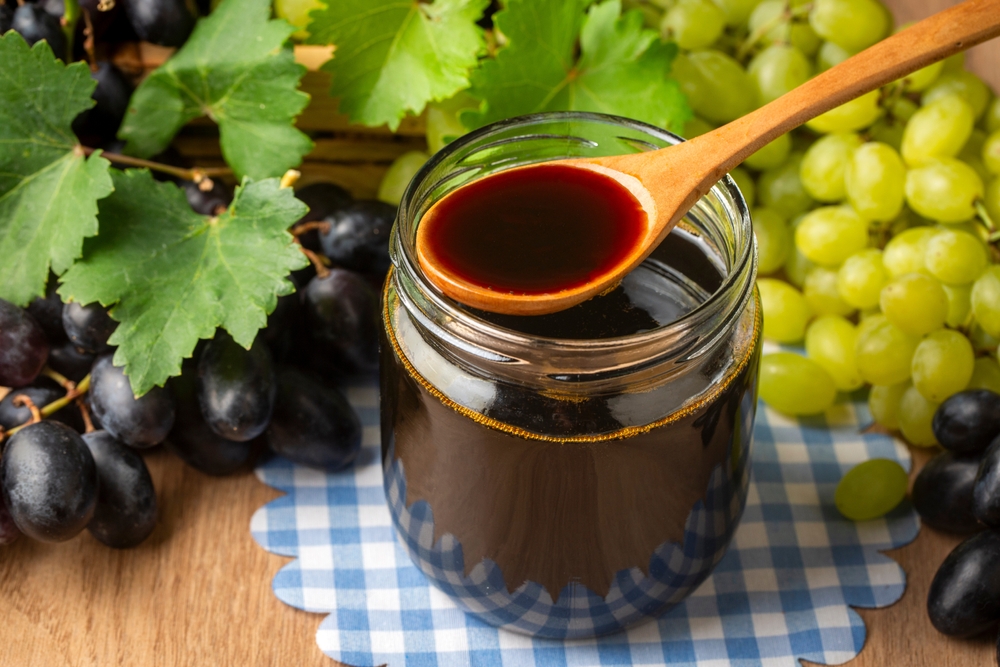
Molasses might seem like a pantry ingredient reserved for baking, but in the garden, it plays a very different role. Packed with simple sugars, trace minerals, and carbon compounds, it feeds beneficial microbes that plants rely on for nutrients. This process boosts soil health in a way that synthetic fertilizers simply can’t replicate. The result feels almost magical—healthier plants, improved structure, and a living soil that keeps getting better over time. The secret lies in feeding the soil first, not just the plant.
The Sweet Science Behind Molasses in the Soil
Molasses acts as an instant energy source for soil microbes, giving them the fuel they need to multiply rapidly. These microbes break down organic matter into nutrients that plants can easily absorb, essentially turning soil into a natural fertilizer factory. As microbial populations grow, they improve soil structure by creating tiny air pockets that help roots breathe and expand. This leads to stronger root systems, which directly support healthier, more productive plants. A single tablespoon diluted in water can spark a noticeable microbial boost within days.
The real magic happens when these microbes start forming relationships with plant roots. Beneficial bacteria and fungi trade nutrients for sugars produced by plants, creating a mutually beneficial cycle. Molasses speeds up this exchange by giving microbes extra fuel to stay active and efficient. This means plants receive more nitrogen, phosphorus, and potassium naturally, without chemical inputs. Over time, this creates a self-sustaining ecosystem that improves with each growing season.
Why Plants Respond So Dramatically to Sugar
Plants don’t consume molasses directly, but they benefit from the microbial frenzy it creates in the soil. When microbes thrive, they release nutrients in forms plants can actually use, making feeding far more efficient. This often results in greener leaves, faster growth, and increased resistance to stress. Gardeners frequently notice improved flowering and fruiting after consistent use. The effect feels dramatic because it targets the root cause of plant health rather than just treating symptoms.
Sugar also influences soil chemistry in subtle but powerful ways. It encourages the growth of beneficial organisms while discouraging harmful pathogens that struggle to compete. This natural balance reduces the risk of disease without relying on harsh treatments. Healthier soil leads to stronger plants, and stronger plants resist pests and environmental stress more effectively. That chain reaction explains why such a simple ingredient can produce such noticeable results.
How to Use Molasses Without Overdoing It
Applying molasses requires a light touch, since too much can overwhelm the system and cause imbalances. A common approach involves mixing one to two tablespoons of unsulfured molasses into a gallon of water and applying it every two to four weeks. This provides a steady food source for microbes without creating excess buildup. Gardeners often pair molasses with compost tea to amplify microbial activity even further. Consistency matters more than quantity when building a healthy soil ecosystem.
Timing also plays an important role in maximizing benefits. Applying molasses during active growth periods ensures microbes have both food and organic material to process. Early morning or late evening applications help prevent rapid evaporation and allow deeper soil absorption. Overapplication can lead to temporary oxygen depletion in soil, which stresses plants instead of helping them. Sticking to moderate use keeps the system balanced and thriving.
Common Misconceptions About Sugar in the Garden
Many assume that adding sugar directly feeds plants, but that idea misses the bigger picture entirely. Plants rely on complex biological interactions in the soil rather than simple sugar intake. Molasses works because it fuels microbes, not because plants absorb sweetness. Treating it like a fertilizer substitute leads to disappointment and wasted effort. Understanding its role helps gardeners use it correctly and see real results.
Another misconception suggests that sugar attracts pests or harms soil health. While excessive use can cause issues, proper application does the opposite by strengthening the soil ecosystem. Healthy microbial populations often outcompete harmful organisms, reducing pest problems over time. Balanced soil supports plant resilience, which naturally deters infestations. When used wisely, molasses becomes a tool for prevention rather than a source of trouble.
Living Soil That Keeps Giving
Soil enriched with microbial life continues improving long after the first application of molasses. Each feeding builds a stronger ecosystem that retains nutrients, holds moisture, and supports plant growth more efficiently. Gardeners often notice reduced need for fertilizers as the soil begins to sustain itself. This shift not only saves money but also creates a more environmentally friendly gardening approach. The long-term payoff makes molasses one of the simplest yet most powerful tools available.
A thriving soil ecosystem transforms gardening from constant maintenance into a more natural, balanced process. Plants grow stronger, yields increase, and problems become easier to manage. The focus shifts from quick fixes to long-term health, which delivers more consistent results. Molasses plays a small but crucial role in that transformation. Feeding the soil truly changes everything.
The Sweet Secret to a Thriving Garden
Molasses proves that sometimes the simplest solutions create the biggest impact in the garden. By feeding soil microbes instead of plants directly, it unlocks a powerful chain reaction that boosts growth, resilience, and productivity. This approach aligns with how nature already works, making it both effective and sustainable. A small investment in molasses can lead to healthier plants and lower gardening costs over time. That combination makes it a smart addition to any gardener’s routine.
Gardening success often comes down to what happens beneath the surface, and molasses helps tip the balance in the right direction. Strong soil leads to strong plants, and strong plants reward that effort with better performance. Skipping complicated formulas and focusing on soil health simplifies the entire process. The results speak for themselves in every harvest. A thriving garden starts with feeding the life below.
Have you tried using molasses in your garden yet, or are you curious to test it out this season? Drop your thoughts, ideas, and advice in the comments section below.
You May Also Like…
The Baking Soda Secret for Sweeter Tomatoes Every Time
The Cinnamon Hack: The $1 Kitchen Spice That Kills Garden Fungus
Succession Planting: The Secret to Eating from Your Garden Every Single Week
Spring Thaw Warning: Why Your Garden Needs These 3 Free Fixes Now
Spring Cleaning Your Soil: The $0 Way to Wake Up Your Garden

Brandon Marcus is a staff writer for FrugalGardening.com at District Media, Inc., where he delivers practical gardening advice with a relatable, no-nonsense style. An avid amateur gardener, he holds a BA degree and with over ten years of professional writing experience, he is also an award-winning published author whose first book, Questions For Deep Thinkers, was released by Adams Media. His work has appeared in major publications including Fandom.com, CHUD.com, TheColdWire.com, and Fansided.com.
Leave a Reply