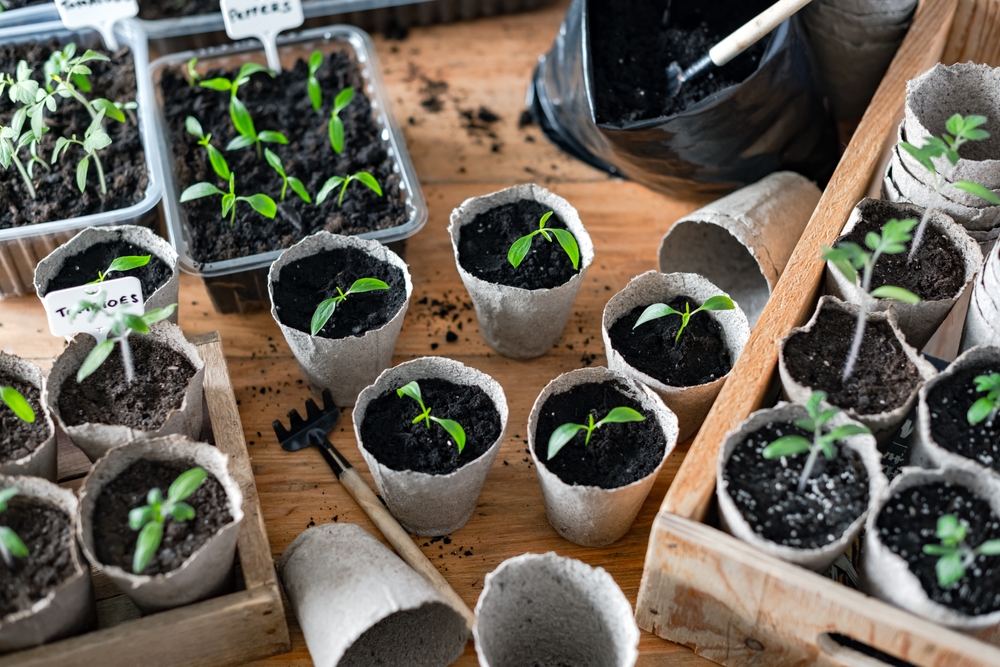
Forget expensive grow lights and complicated setups. The real secret to strong, sturdy seedlings sits right in front of you, costs almost nothing, and transforms fragile sprouts into tough, ready-to-thrive plants. Anyone chasing thick stems, deep roots, and vibrant growth needs to stop obsessing over fancy tools and start paying attention to one powerful, overlooked factor.
Strong seedlings don’t come from pampering—they come from smart, simple stress that builds resilience. That sounds dramatic, but it works. The difference between leggy, weak plants and compact, healthy ones often comes down to a few small habits that cost little yet deliver massive results. This approach flips the script on traditional seed-starting advice and turns everyday actions into serious plant power.
The Magic Trick: Give Seedlings a Gentle Shake-Up
Strong seedlings don’t just happen because of water and sunlight. They grow stronger when they face gentle, controlled movement. Lightly brushing your hand over seedlings or allowing a small fan to create airflow encourages thicker stems and sturdier growth. Plants respond to movement through a natural process called thigmomorphogenesis, which strengthens their structure when they experience touch or motion.
That might sound like a science experiment, but it feels incredibly simple in practice. A quick daily sweep of your hand across the tops of seedlings mimics wind outdoors, signaling them to toughen up. Without that movement, seedlings often stretch too quickly toward light, resulting in thin, weak stems that struggle later. Introducing gentle motion keeps growth compact and balanced, which sets the stage for healthier plants long-term.
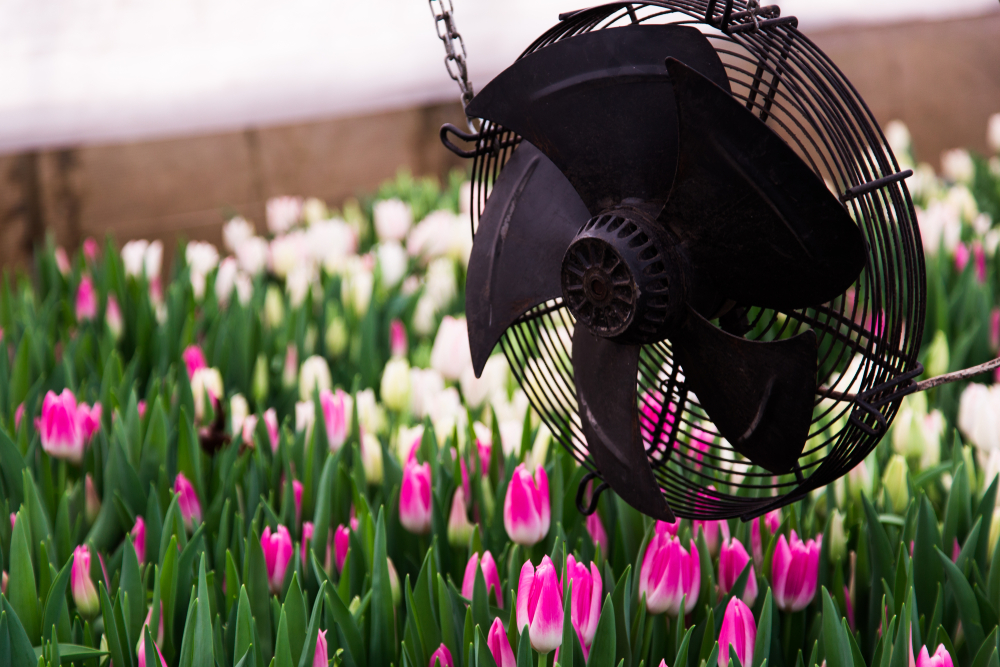
A small fan placed nearby can take this habit even further. Keep the airflow light, never harsh, and let it run for a few hours each day. This setup builds resilience without drying out the soil or stressing the plants too much. The best part lies in the cost—this method requires little more than a few seconds of attention or a basic household fan. Strong stems today lead to better transplant success later, and that alone makes this habit worth adopting.
Light Matters More Than You Think (And It’s Not About Fancy Gear)
Seedlings stretch and weaken when they chase light that sits too far away or lacks intensity. Many assume that expensive grow lights solve the problem, but positioning matters more than price. Keeping a light source just a few inches above seedlings encourages compact growth and prevents that tall, spindly look. Even a bright window can work when you rotate trays regularly and ensure consistent exposure.
Seedlings need long hours of light to thrive, often around 12 to 16 hours per day depending on the plant. Consistency plays a bigger role than intensity alone, so setting a simple timer keeps things on track without daily guesswork. When light stays too far away, seedlings stretch upward quickly, wasting energy on height instead of strength. Bringing that light closer shifts their focus toward developing thicker stems and stronger leaves.
Reflective surfaces can boost available light without spending extra money. Placing aluminum foil or a white board behind seedlings redirects light back onto the plants, increasing efficiency instantly. This small adjustment can make a noticeable difference in growth quality. Strong lighting habits pair perfectly with gentle movement, creating an environment that encourages balanced, healthy development from the very beginning.
Watering Smart Beats Watering More
Overwatering quietly sabotages seedlings more often than underwatering ever could. Constantly soaked soil suffocates roots, limits oxygen, and invites disease. Strong seedlings thrive when soil dries slightly between waterings, encouraging roots to stretch deeper in search of moisture. That simple shift builds a more robust root system that supports long-term growth.
Checking soil moisture with a fingertip keeps things simple and effective. If the top layer feels dry, water thoroughly, then let excess moisture drain away. Avoid frequent, shallow watering since it keeps roots near the surface and weakens the plant overall. Deep, occasional watering trains roots to grow downward, creating stability and resilience that show up later in the garden.
Containers with proper drainage make a huge difference here. Without drainage holes, water collects at the bottom and creates a risky environment for young plants. Pair good watering habits with well-draining soil, and seedlings gain a strong foundation that supports everything else. This habit doesn’t cost extra, yet it delivers one of the biggest impacts on plant health.
Skip the Fertilizer… At First
New gardeners often reach for fertilizer too quickly, hoping to speed up growth. Seedlings don’t need that boost right away because seeds already contain the nutrients required for early development. Adding fertilizer too soon can overwhelm delicate roots and lead to weak, uneven growth.
Waiting until seedlings develop their first true leaves creates a better timeline for feeding. At that stage, a diluted fertilizer solution can support continued growth without causing stress. Keeping it light and occasional works best, since overfeeding often causes more harm than good. Strong seedlings rely on balance, not excess.
Simple soil mixes designed for seed starting usually contain everything needed in the early stages. Focusing on light, water, and airflow delivers better results than piling on nutrients too soon. This approach keeps things cost-effective and reduces the risk of common beginner mistakes. Sometimes doing less leads to stronger, healthier plants that grow at the right pace.
Temperature Control: The Quiet Game-Changer
Temperature shapes how seedlings grow, even when it doesn’t grab much attention. Warm soil helps seeds germinate quickly, but slightly cooler air after sprouting encourages sturdier growth. Keeping seedlings too warm can lead to rapid, weak stretching, which no one wants.
A simple shift—like moving trays away from heat vents or lowering room temperature slightly—can improve growth quality right away. Seedlings prefer a balance where roots stay cozy while stems develop in a slightly cooler environment. That contrast slows vertical growth just enough to allow stronger structural development.
Nighttime temperatures matter too. Slightly cooler nights signal plants to strengthen rather than stretch, creating more compact growth. This doesn’t require fancy equipment or major changes. Small adjustments in placement and awareness create an environment where seedlings grow steady and strong instead of fast and fragile.
Airflow: The Secret Partner to Strong Stems
Airflow does more than prevent mold—it actively shapes how seedlings grow. Stagnant air creates a cozy environment for disease, while gentle circulation keeps plants dry, healthy, and resilient. A small fan set on low can dramatically improve conditions without adding complexity.
Moving air also helps regulate moisture levels on leaves and soil surfaces. This reduces the risk of damping-off disease, which can wipe out seedlings quickly. Healthy airflow keeps everything balanced and encourages plants to adapt to subtle environmental changes.
Combining airflow with gentle physical movement creates a powerful one-two punch for stronger growth. Seedlings respond by thickening their stems and improving overall structure. This habit costs almost nothing yet delivers results that rival much more expensive setups. Strong plants don’t come from still, stagnant conditions—they thrive in environments that mimic the natural world.
Hardening Off: The Final Test Before the Real World
Indoor seedlings need a gradual introduction to outdoor conditions before transplanting. Jumping straight from a controlled environment into full sun and wind can shock even the healthiest plants. Hardening off builds resilience by exposing seedlings to outdoor conditions in small, increasing doses.
Start with short periods outside in a sheltered spot, then extend the time each day. This process allows plants to adjust to sunlight, temperature changes, and wind without stress. Skipping this step often leads to setbacks, even when everything else goes right.
Consistency makes all the difference here. A week or two of gradual exposure prepares seedlings for real garden life and improves survival rates significantly. Strong seedlings don’t just grow well indoors—they transition smoothly outdoors when given the chance to adapt.
Strong Roots, Tough Stems, and a Simple Secret That Works
Strong seedlings don’t come from expensive tools or complicated routines. They grow from simple habits that encourage resilience, balance, and steady development. Gentle movement, proper lighting, smart watering, and a little patience create a powerful combination that transforms fragile sprouts into thriving plants.
Every small adjustment builds toward that bigger goal. A fan here, a slight temperature tweak there, and a more thoughtful watering routine all stack together in a way that feels manageable yet incredibly effective. This approach proves that growing healthy plants doesn’t require perfection—it just needs consistency and a willingness to work with nature instead of against it.
Which of these habits feels like the easiest win to start today, and which one might completely change the way your seedlings grow this season? Drop your thoughts, strategies, or even a few gardening wins in the comments and keep the ideas growing.
You May Also Like…
Why Some Seeds Don’t Germinate
Why Your Seedlings Keep Damping Off — Even With Grow Lights
The Soil Additive That’s Quietly Killing Seedlings in Southern States
This Common Cold Snap Hack Is Suffocating Seedlings — Experts Warn Gardeners to Stop
The Smart Way to Store Garden Seeds During the Holidays

Brandon Marcus is a staff writer for FrugalGardening.com at District Media, Inc., where he delivers practical gardening advice with a relatable, no-nonsense style. An avid amateur gardener, he holds a BA degree and with over ten years of professional writing experience, he is also an award-winning published author whose first book, Questions For Deep Thinkers, was released by Adams Media. His work has appeared in major publications including Fandom.com, CHUD.com, TheColdWire.com, and Fansided.com.
Leave a Reply