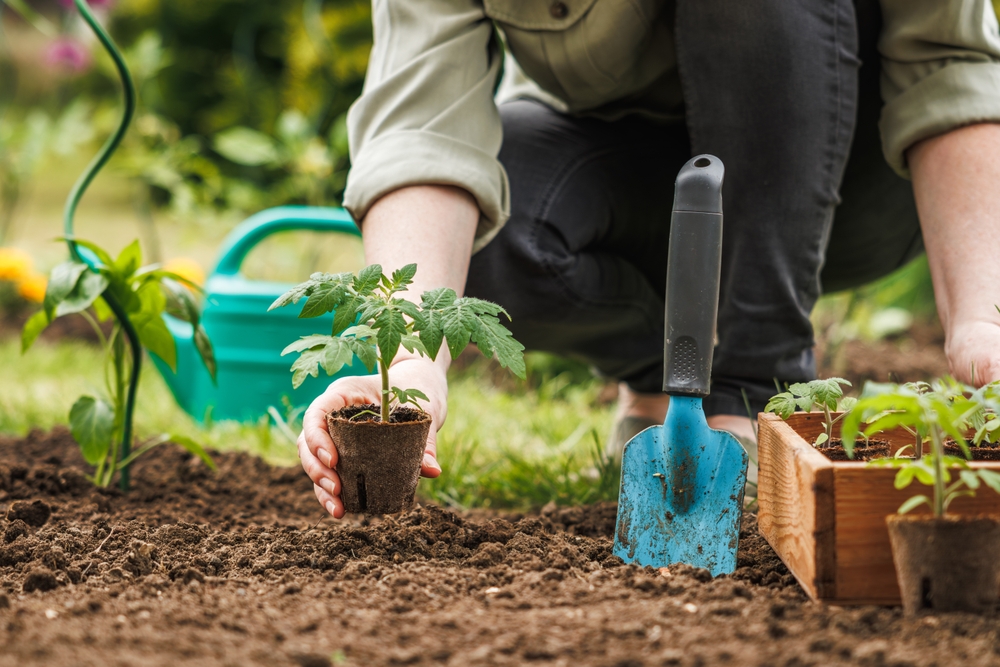
A thriving garden does not demand a wallet full of expensive soil products. It demands creativity, curiosity, and a willingness to look at everyday waste with fresh eyes. Garden stores stack shelves with colorful bags that promise miracle growth, giant tomatoes, and perfect soil. Those products work, yet they often duplicate something nature already provides for free. Leaves fall, kitchens produce scraps, coffee shops toss grounds, and backyard chickens drop nutrient-rich manure every single day. Smart gardeners see treasure where others see trash. A handful of the right natural materials can wake up tired soil, feed beneficial microbes, and push plants toward stronger growth without draining the gardening budget.
Great soil behaves like a living system. Bacteria, fungi, worms, and organic matter work together to create structure and fertility. Free amendments feed that underground ecosystem and help gardens thrive naturally. A few clever strategies can transform everyday materials into soil-boosting gold.
1. Fallen Leaves: Nature’s Original Soil Builder
Autumn drops one of the greatest free soil amendments directly onto the ground. Trees shed mountains of leaves every year, and those leaves carry valuable nutrients such as carbon, small amounts of nitrogen, and trace minerals pulled up from deep in the soil. Many people rake them into bags and send them away, yet gardeners who understand soil health treat that pile like a winning lottery ticket. Shredded leaves break down into leaf mold, which improves soil structure and water retention while feeding beneficial organisms underground. Earthworms absolutely love the stuff, and their tunneling activity improves aeration throughout the garden bed.
Gardeners can run a lawn mower over dry leaves to chop them into smaller pieces. That simple step speeds up decomposition and prevents leaves from matting together. Spread the shredded leaves over garden beds in fall or mix them into compost piles for an instant boost of carbon-rich material. Leaf mold creates a soft, crumbly texture in soil that gardeners dream about. Plants grow stronger roots when soil holds moisture without becoming soggy, and leaf mold helps achieve that balance beautifully.
Local parks, neighborhoods, and tree-lined streets often produce more leaves than anyone could ever use. Many communities even offer free leaf piles during autumn cleanup seasons. Gardeners who scoop up those bags gain a powerful soil amendment without spending a dime. Every rake stroke in autumn can quietly build next season’s garden success.
2. Coffee Grounds: The Secret Ingredient Hiding in Plain Sight
Coffee shops brew enormous quantities of coffee every day, and the used grounds usually end up in the trash. Those humble leftovers contain nitrogen, organic matter, and small amounts of potassium and phosphorus. Gardeners can put that nutrient mix to work immediately. Many coffee shops happily give away used grounds because they prefer reuse over landfill waste.
Sprinkling coffee grounds directly into garden beds adds organic matter that soil microbes quickly begin breaking down. The grounds help loosen dense soil while improving moisture retention. Some gardeners worry that coffee grounds make soil too acidic, yet research shows that used grounds typically sit close to neutral pH after brewing. That makes them safe for most garden plants when used in moderate amounts.
Mixing coffee grounds into compost piles produces even better results. The nitrogen content balances carbon-heavy materials like dried leaves or straw. Compost microbes accelerate decomposition when the pile contains both nitrogen and carbon sources. A thriving compost pile heats up, breaks down quickly, and produces dark, nutrient-rich compost. That finished compost feeds vegetables, flowers, and fruit trees with slow-release nutrients.
3. Grass Clippings: Green Gold from the Lawn
Fresh grass clippings pack a powerful punch of nitrogen, one of the most important nutrients for plant growth. Lawn mowers create bags of those clippings every week during the growing season, and gardeners can transform that material into a fantastic soil amendment. Nitrogen fuels leafy growth, supports chlorophyll production, and drives the vibrant green color that gardeners love to see in healthy plants.
Garden beds benefit greatly from a thin layer of grass clippings used as mulch. The clippings slowly break down and release nutrients directly into the soil. That mulch layer also reduces evaporation, which keeps soil moist during hot weather. Gardeners should apply clippings in thin layers because thick piles can compact and create unpleasant odors. A light scattering works beautifully and disappears quickly as microbes digest the material.
Grass clippings also accelerate compost piles. Their high nitrogen content balances dry materials like leaves or shredded cardboard. Compost piles require that balance to heat up and break down efficiently. The Environmental Protection Agency highlights composting as one of the most effective ways to recycle yard waste while creating valuable soil amendments. A lawn that produces weekly clippings can quietly supply the garden with free nutrients all season long.
4. Kitchen Scraps: Everyday Waste That Feeds the Soil
Kitchen scraps might look like garbage, yet they contain incredible value for soil health. Vegetable peels, fruit scraps, eggshells, and other organic leftovers break down into compost that nourishes plants naturally. Composting transforms those materials through microbial activity into a dark, crumbly substance often called “black gold” among gardeners.
The process works through simple biology. Microorganisms break down organic matter while generating heat, carbon dioxide, and nutrient-rich humus. Finished compost improves soil structure, boosts water retention, and supplies slow-release nutrients that plants absorb over time. Research from organizations like the Rodale Institute consistently highlights compost as a cornerstone of organic gardening.
Eggshells deserve special attention within the compost pile. They contain calcium carbonate, which helps strengthen plant cell walls and supports healthy growth. Crushing the shells before adding them to compost speeds up decomposition and spreads the calcium more evenly. Banana peels provide potassium, while vegetable scraps contribute a mix of micronutrients that plants crave. A simple compost bin in the backyard can handle most kitchen scraps easily. Gardeners who lack outdoor space can still explore small composting systems such as worm bins. Worm composting creates rich castings that plants absolutely love. Every carrot peel or apple core represents another chance to feed the soil rather than fill a trash bag.
5. Wood Ash: The Backyard Fertilizer from Winter Fires
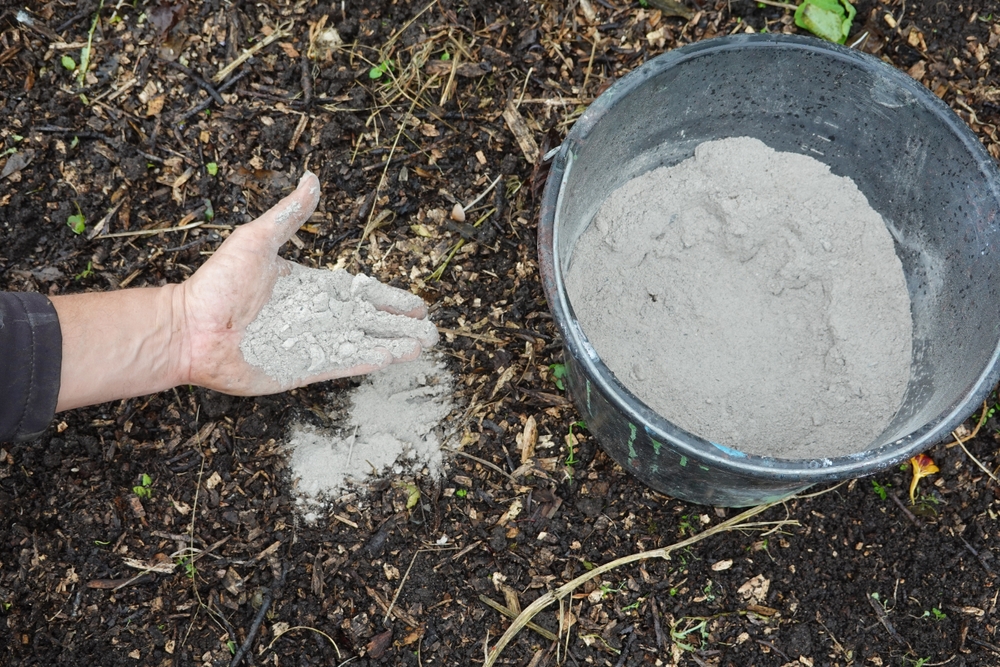
Wood-burning fireplaces and fire pits leave behind ash that holds surprising gardening value. Clean wood ash contains potassium, calcium, and small amounts of other minerals that support plant growth. Gardeners have used wood ash as a soil amendment for centuries because it improves soil fertility and raises soil pH slightly. Potassium plays a crucial role in plant health. It regulates water movement within plant cells, supports disease resistance, and encourages strong root development. Adding small amounts of wood ash to garden beds can provide that nutrient boost naturally. Gardeners should sprinkle ash lightly and mix it into soil rather than dumping large piles in one spot.
Wood ash works best in soils that lean slightly acidic. Vegetable gardens often benefit from modest pH adjustments, especially when growing crops like tomatoes, beans, or cabbage. Gardeners should avoid ash from treated wood, charcoal briquettes, or painted materials because those substances can contain harmful chemicals. A small bucket of fireplace ash can stretch across many garden beds when used carefully. That humble gray powder quietly enriches soil while reducing waste from winter fires.
Dirt, Microbes, and a Little Bit of Creative Thinking
Healthy soil rarely depends on expensive inputs. Nature already supplies powerful tools for building fertility and structure. Leaves, coffee grounds, grass clippings, kitchen scraps, and wood ash create a powerful team of free amendments that support thriving gardens. Each material adds organic matter, nutrients, or mineral content that plants and soil microbes eagerly use.
Curiosity fuels great gardening. Testing different amendments, watching plant responses, and adjusting strategies over time leads to better results each season. Soil health improves when gardeners treat the ground like a living partner rather than an empty container.
Which free garden amendment delivers the best results in your backyard garden? Share your ideas, favorite tricks, or surprising discoveries in the comments so others can try them out too.
You May Also Like…
Termite Prevention Tips for Raised Beds
Low-Cost Ways to Improve Clay Soil
Why Soil Testing Saves Money Over Time
Low-Cost Ways to Improve Sandy Soil
The $20 Soil Fix That Can Rescue a Struggling Spring Garden

Brandon Marcus is a staff writer for FrugalGardening.com at District Media, Inc., where he delivers practical gardening advice with a relatable, no-nonsense style. An avid amateur gardener, he holds a BA degree and with over ten years of professional writing experience, he is also an award-winning published author whose first book, Questions For Deep Thinkers, was released by Adams Media. His work has appeared in major publications including Fandom.com, CHUD.com, TheColdWire.com, and Fansided.com.
Leave a Reply