Plants do not fail quietly. They droop, yellow, stall out, and send a clear message that something below the surface needs attention. Every spring, gardeners rush to blame the weather, the seed packet, or the fertilizer when seedlings refuse to thrive. Leaves pale instead of deepening into healthy green. Growth crawls along even as temperatures rise. Watering more does not solve the problem. Adding extra fertilizer sometimes makes it worse. In many cases, the real issue sits underfoot.
The good news comes with a surprisingly low price tag. For about twenty dollars or less, a few bags of quality compost can transform tired, compacted, or lifeless soil into a living foundation that supports vigorous growth. This simple amendment often delivers more dramatic results than shelves full of specialty products.
The Real Problem Usually Lives in the Soil
Spring gardens struggle for many reasons, but poor soil structure ranks near the top. Compacted ground restricts root growth and limits oxygen flow. Sandy soil drains too quickly and fails to hold nutrients. Heavy clay retains water excessively and suffocates roots.
Plants depend on a balanced mix of air, water, and nutrients in the root zone. When soil lacks organic matter, it cannot hold moisture evenly or support beneficial microbes. Roots then work harder to access what they need, and plants show stress above ground.
Fertilizer alone cannot fix structural problems. Nutrients wash away in sandy soil or sit locked up in clay. Compost, however, improves soil texture while also adding slow-release nutrients. It works on multiple levels at once, which explains why it often rescues struggling gardens so effectively.
Why Compost Outperforms Quick Fixes
Garden centers offer countless soil enhancers that promise rapid results. Many of these products target one issue at a time, such as nitrogen deficiency or pH imbalance. Compost stands apart because it addresses several core problems simultaneously.
First, compost increases organic matter content. Organic matter helps sandy soil retain water and nutrients. In clay soil, it improves drainage and reduces compaction by creating space between particles. This dual benefit makes compost incredibly versatile across different soil types.
Second, compost feeds soil life. Beneficial bacteria, fungi, and earthworms break down organic material into plant-available nutrients. A biologically active soil supports stronger root systems and improved nutrient uptake. Plants growing in living soil often show deeper color, sturdier stems, and better resilience to stress.
Third, compost releases nutrients gradually. Unlike high-salt synthetic fertilizers that can burn roots if misapplied, mature compost supplies modest levels of nitrogen, phosphorus, and potassium in a steady, gentle manner. This slow release reduces the risk of nutrient runoff and plant shock.
How to Apply This $20 Fix the Right Way
A soil amendment only works if applied correctly. Tossing a thin layer of compost on top of hardened ground and walking away will not deliver meaningful change. A thoughtful approach maximizes the investment.
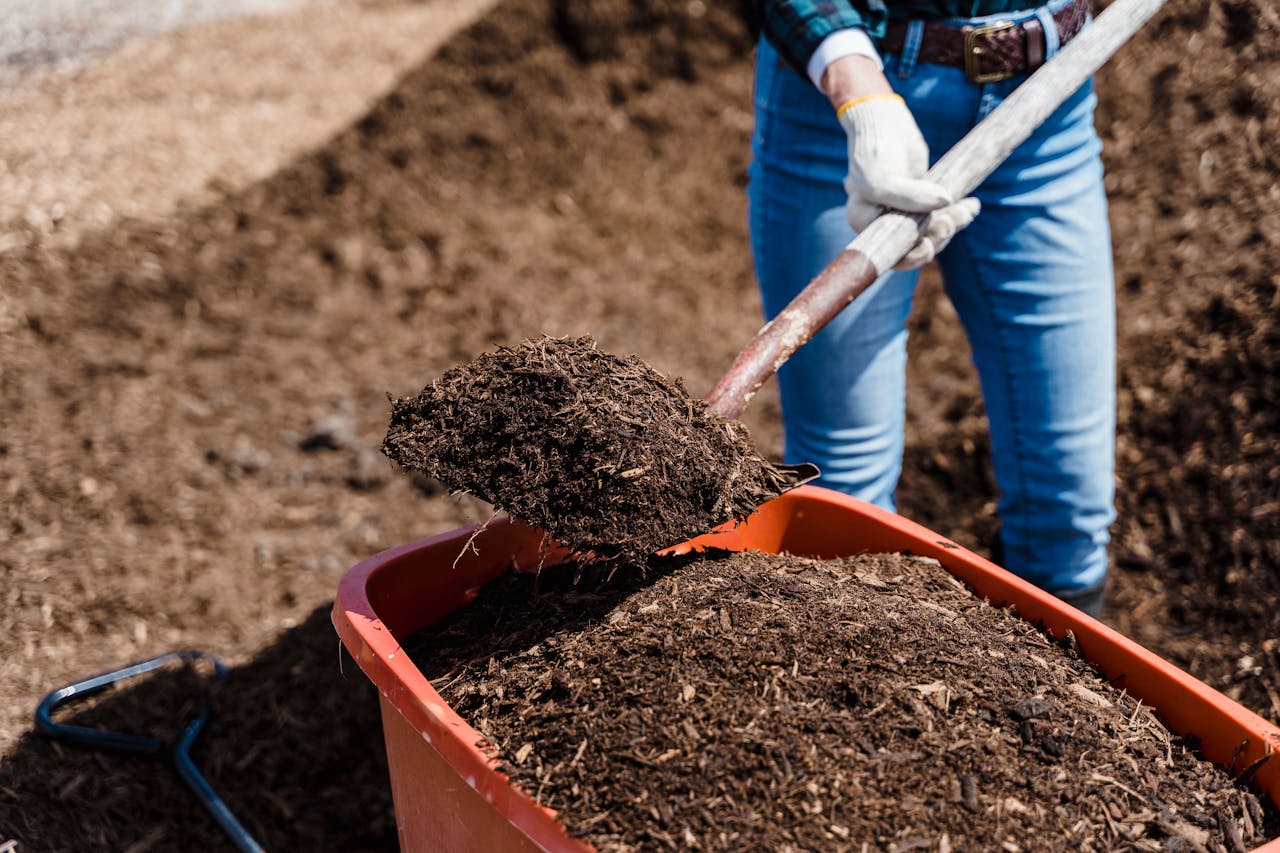
Start by spreading one to two inches of finished compost over garden beds. For new beds or severely depleted soil, up to three inches can provide additional benefit. Incorporate the compost into the top six to eight inches of soil using a shovel, garden fork, or tiller. This mixing allows roots to access improved soil structure immediately. For established perennial beds where digging deeply might disturb roots, top-dressing works well. Spread compost evenly around plants and gently work it into the surface without damaging root systems. Water thoroughly afterward to help nutrients begin moving into the soil.
Raised beds respond especially well to compost additions. Because raised beds often contain lighter soil mixes, organic matter breaks down faster and requires replenishment each season. A spring refresh can reinvigorate vegetables and flowers before peak growing months.
Signs That Compost Is Working
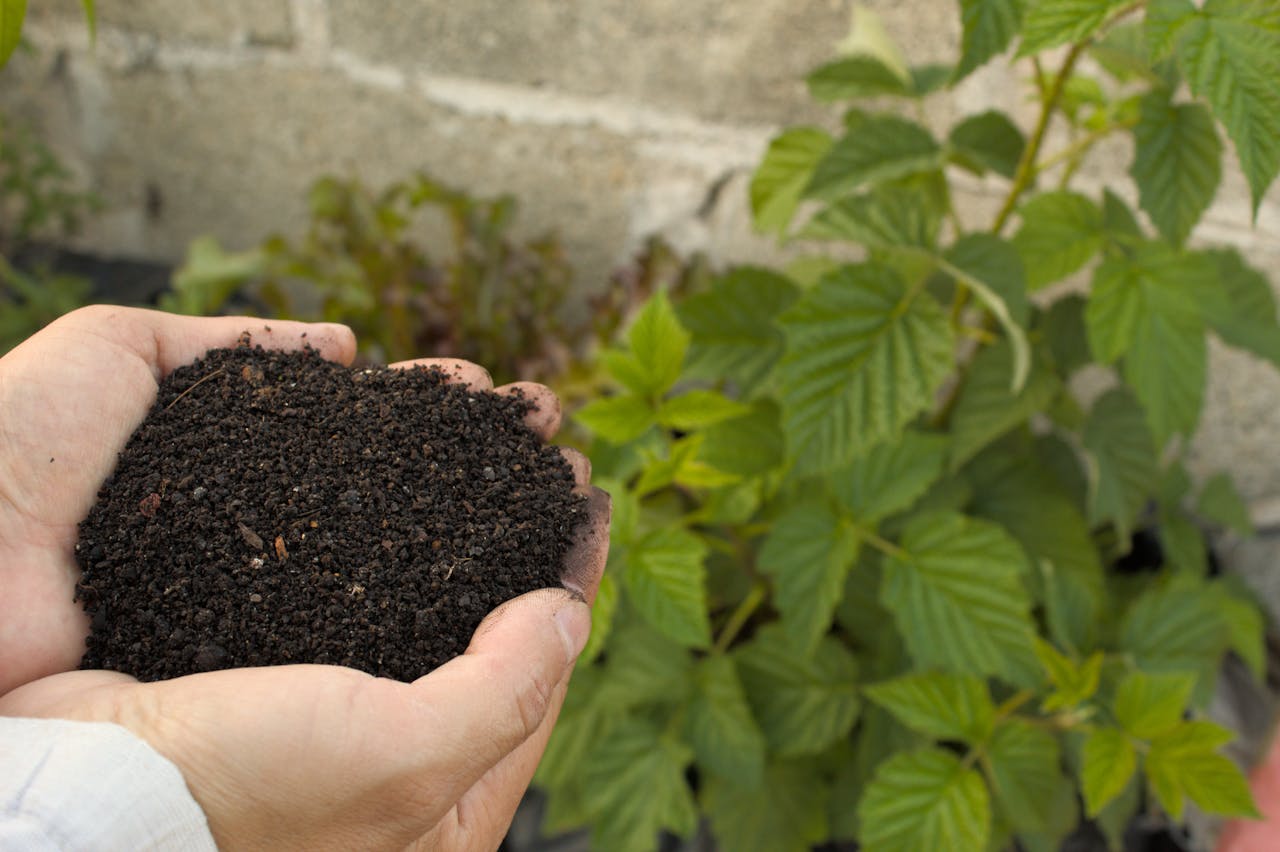
Results from compost do not always appear overnight, but many gardens show noticeable improvement within weeks. Leaves often deepen in color as nutrient availability stabilizes. New growth may appear stronger and more upright. Soil texture becomes crumbly rather than hard or powdery.
Water management improves as well. After compost integration, soil tends to absorb irrigation more evenly and resist surface crusting. Plants may require slightly less frequent watering because improved organic matter helps retain moisture at root depth.
Over time, earthworm activity often increases in amended beds. These natural soil engineers create channels that enhance drainage and aeration. Their presence signals a healthy underground ecosystem that supports long-term plant vigor.
Budget-Friendly and Sustainable
A twenty-dollar investment in compost can cover a surprising amount of ground, especially when applied strategically to high-need areas. Compared with specialty fertilizers, disease treatments, or replacement plants, compost ranks as one of the most cost-effective garden improvements available.
Beyond the financial advantage, compost supports environmental sustainability. It recycles organic waste into a valuable resource and reduces reliance on synthetic inputs. Healthier soil also reduces runoff and nutrient leaching, which benefits surrounding ecosystems.
For those who wish to stretch savings even further, home composting offers an excellent long-term solution. Kitchen scraps, yard trimmings, and leaves can transform into nutrient-rich compost over time. While homemade compost requires patience and proper management, it delivers similar soil benefits at minimal cost.
Small Investment, Big Impact
Spring gardens often struggle not because gardeners lack effort, but because soil lacks vitality. Pouring more water or fertilizer onto weak soil rarely solves the root issue. Compost addresses the foundation, strengthening soil structure, boosting microbial life, and delivering balanced nutrition.
This modest investment can shift the trajectory of an entire growing season. Healthier soil supports stronger plants, which resist pests and disease more effectively. Yields improve. Flowers bloom more generously. The garden begins to look less like a problem and more like a promise fulfilled.
Before reaching for expensive specialty products, consider whether the soil simply needs organic matter. Could a few bags of compost change everything beneath the surface? Are you adding it to your garden shopping list? Let’s talk about it in our comments.
You May Also Like…
Experts Warn: Your Compost Pile Could Be Dangerous for Pets
Studies Find Dangerous Bacteria in DIY Compost — Experts Urge Caution
Why Your Compost Bin Could Be Breeding a Fungus That Kills Seedlings
8 Winter Compost Additives That Speed Up Breakdown
Why You Shouldn’t Compost These 3 Things—Even If TikTok Says It’s Fine

Brandon Marcus is a staff writer for FrugalGardening.com at District Media, Inc., where he delivers practical gardening advice with a relatable, no-nonsense style. An avid amateur gardener, he holds a BA degree and with over ten years of professional writing experience, he is also an award-winning published author whose first book, Questions For Deep Thinkers, was released by Adams Media. His work has appeared in major publications including Fandom.com, CHUD.com, TheColdWire.com, and Fansided.com.
Leave a Reply