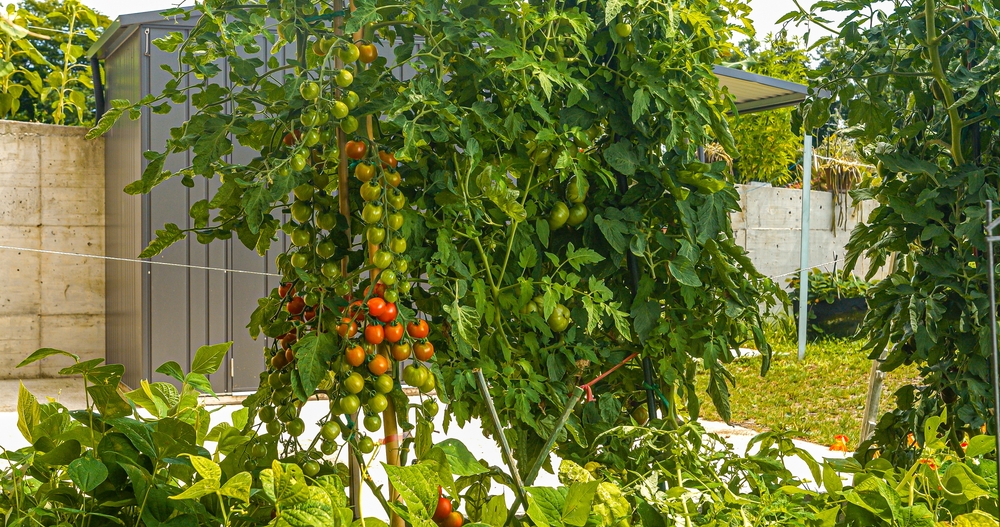
Gardening always carries a little suspense. One week brings perfect sunshine, the next delivers pounding rain, hungry insects, or an unexpected heat wave. That uncertainty explains why so many gardeners now build their planting plans around “insurance crops,” dependable vegetables and herbs that keep producing even when pickier plants struggle. Rather than gambling an entire season on tomatoes, peppers, or cucumbers, many gardeners now spread the risk across a wider range of reliable crops.
That shift makes a surprising difference. Insurance crops help fill harvest baskets when weather turns unpredictable, pests arrive at the wrong moment, or a favorite vegetable refuses to cooperate. The approach does not require a bigger garden or expensive equipment. It simply rewards thoughtful planning with steadier harvests, fewer disappointments, and a vegetable patch that feels much more forgiving.
What Exactly Is an Insurance Crop?
An insurance crop refers to any plant that consistently produces food despite less-than-perfect growing conditions. These plants usually mature quickly, tolerate changing weather, recover well from light pest damage, or continue producing over a long harvest window. Gardeners choose them because they provide a dependable backup when fussier vegetables hit a rough patch. Instead of replacing favorite crops, they work alongside them to reduce the chance of ending the season with empty baskets.
Many familiar vegetables fit this description. Bush beans, leaf lettuce, Swiss chard, kale, radishes, beets, green onions, summer squash, herbs such as parsley, and even zucchini often earn a place in this category. Several leafy greens continue producing after repeated harvests, while beans frequently bounce back after minor insect feeding. Fast-growing crops also allow gardeners to sow another round if the first planting encounters trouble, creating another layer of protection throughout the season.
Why This Gardening Strategy Keeps Gaining Fans
Weather patterns continue to surprise even experienced gardeners. A cool spring can delay warm-season vegetables, while intense summer heat may reduce tomato pollination or cause lettuce to bolt earlier than expected. Insurance crops soften those disappointments because they spread production across plants with different strengths instead of relying on only one star performer. A mixed garden rarely succeeds or fails all at once.
The strategy also makes emotional sense. Anyone who has watched beautiful tomato blossoms drop without producing fruit knows how frustrating a season can become. Meanwhile, nearby Swiss chard quietly keeps growing, bush beans continue filling pods, and herbs produce fresh leaves every week. Those steady successes build confidence and encourage gardeners to keep tending the garden rather than giving up after a setback.
The Best Insurance Crops for Home Gardens
Leafy greens deserve a place near the top of the list because many varieties mature quickly and tolerate cooler temperatures. Kale, Swiss chard, spinach during cool weather, and several loose-leaf lettuce varieties often provide multiple harvests from the same plants. Gardeners simply remove the outer leaves while allowing the centers to continue growing. That cut-and-come-again habit stretches harvests over several weeks or even months.
Bush beans also shine as dependable performers. They germinate quickly in warm soil, mature relatively fast, and produce generous harvests within a compact space. Radishes add another advantage because many varieties mature in less than a month, allowing repeated sowings throughout the growing season. Fresh herbs such as parsley, dill, cilantro during cooler periods, and chives also supply reliable harvests while attracting beneficial insects that help create a healthier garden environment.
Smart Ways to Fit Insurance Crops Into Any Garden
Adding insurance crops does not require redesigning an entire garden. Many gardeners simply dedicate a portion of each raised bed to dependable vegetables while reserving the remaining space for favorite specialty crops. A tomato cage can stand beside a row of bush beans, while leafy greens fill empty spaces around peppers early in the season. This balanced layout increases the chances of harvesting something every week.
Succession planting adds another layer of security. Instead of planting every bean seed on one afternoon, gardeners sow smaller batches every two or three weeks during the recommended planting window. If one planting struggles because of weather or pests, another group often performs much better. The same technique works beautifully with lettuce, radishes, spinach during cooler weather, and many herbs, creating a steady stream of fresh produce instead of one overwhelming harvest.
A Garden That Keeps Giving
Insurance crops remind gardeners that success rarely depends on one perfect plant. A productive garden usually grows from thoughtful variety, practical planning, and the willingness to expect a few surprises along the way. Every season teaches new lessons, but dependable crops provide a comforting safety net while those lessons unfold. That combination makes gardening more enjoyable and far less stressful.
The most successful gardens rarely rely on luck alone. They combine exciting crops with reliable performers that quietly produce week after week regardless of minor setbacks. Planting a few dependable vegetables alongside favorite summer stars creates a harvest that feels more consistent, more rewarding, and much better prepared for whatever the growing season decides to deliver.
What insurance crops will find a place in your garden this year, and which dependable vegetables have rescued a growing season in the past?
You May Also Like…
Pet‑Friendly Gardening: Non‑Toxic Plants and Shady Spots Make Your Yard Safe for Fido
8 Warm Climate Favorites That Handle Heat Easily
How Climate Change Is Quietly Changing Fall Gardening Forever
Why Raised Beds Warm Faster and Boost Early Growth

Brandon Marcus is a staff writer for FrugalGardening.com at District Media, Inc., where he delivers practical gardening advice with a relatable, no-nonsense style. An avid amateur gardener, he holds a BA degree and with over ten years of professional writing experience, he is also an award-winning published author whose first book, Questions For Deep Thinkers, was released by Adams Media. His work has appeared in major publications including Fandom.com, CHUD.com, TheColdWire.com, and Fansided.com.
Leave a Reply