What if some of the flowers you planted this year could come back next spring without spending another dollar at the garden center? While most gardeners treat annual flowers as one-season investments, certain varieties have a surprising ability to return year after year.
The secret is allowing them to complete their natural life cycle instead of removing every fading flower during fall cleanup.
These plants, known as self-seeding annuals, produce seeds that fall onto the soil, survive until conditions are favorable, and germinate without being deliberately replanted.
According to the University of New Hampshire Extension, several popular annual flowers can successfully reseed themselves when gardeners provide suitable growing conditions.
If you’re hoping to reduce next year’s gardening expenses, these seven flowers are worth leaving alone before winter arrives.
1. Cosmos Can Fill Your Garden With Flowers Again
Cosmos are among the easiest self-seeding annuals to grow, especially in sunny gardens with relatively poor soil. Their delicate, daisy-like flowers bloom in shades of pink, white, and crimson, often continuing until the first hard frost. According to Utah State University Extension, cosmos produce abundant seeds and can return so readily that gardeners sometimes consider them weedy. To encourage another generation, stop deadheading a few weeks before your growing season ends and allow the flower heads to dry naturally. Next spring, watch for feathery seedlings around the original planting area before pulling what might initially look like ordinary weeds.
2. Calendula Can Return Without Replanting
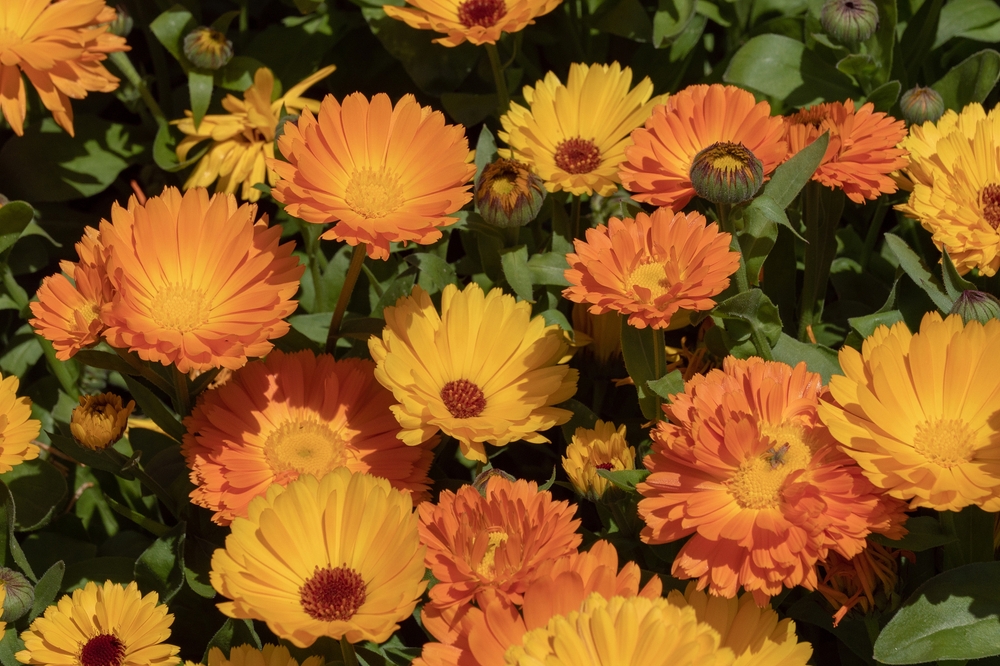
Calendula, sometimes called pot marigold, is another excellent choice for gardeners hoping to save money on annual flowers. Its cheerful yellow and orange blooms perform particularly well during cooler weather, making it useful for spring and fall color. Calendula can be a reliable self-sowing annual when gardeners allow some flowers to mature into seed heads. Rather than removing every spent blossom, leave several plants untouched toward the end of the season so their curved seeds can fall onto nearby soil. In favorable climates, those seeds may germinate during cool weather or wait until spring, giving you another opportunity to enjoy flowers without purchasing replacements.
3. Bachelor’s Buttons Are Surprisingly Persistent
Bachelor’s buttons, also known as cornflowers, produce distinctive blue, pink, purple, or white blooms that fit beautifully into informal flower gardens. These cool-season annuals are especially appealing to gardeners who enjoy cottage-style landscapes and inexpensive cut flowers. According to Missouri Extension, bachelor’s buttons reseed easily and can be planted outdoors during spring or fall, depending on local conditions. If you want them to return, allow several flowers to develop mature seeds before cutting down the plants during autumn cleanup. Because these self-seeding annuals can spread beyond their original planting area, check local invasive-plant guidance and remove unwanted seedlings before they become established.
4. Love-in-a-Mist Produces Its Own Seed Supply
Love-in-a-mist, scientifically known as Nigella damascena, offers delicate flowers surrounded by fine, fernlike foliage. After blooming, the plant develops distinctive inflated seed capsules that make it particularly interesting even when the flowers have faded. Love-in-a-mist is recommended for cottage gardens and mixed borders where its natural reseeding habit can be appreciated. Allow the seed pods to dry and release their contents naturally rather than removing the entire plant immediately after flowering. These seeds can produce another generation under suitable conditions, although gardeners should expect the new flowers to appear in somewhat unpredictable locations.
5. Larkspur Can Reward Gardeners Who Leave It Alone
Larkspur produces tall spikes of blue, purple, pink, or white flowers that bring height and color to spring and early-summer gardens. Unlike heat-loving annuals, larkspur generally prefers cooler growing conditions and can establish from seeds that experience winter temperatures. Larkspur readily self-sows in sunny locations with rich, well-drained soil and consistent moisture. Let the seed pods mature before removing the spent stems, and avoid disturbing the soil where you hope seedlings will emerge. One important precaution is that larkspur contains toxic compounds, so gardeners with curious pets or young children should carefully consider whether this plant belongs in their landscape.
6. Spider Flowers May Come Back in Large Numbers
Spider flower, commonly called cleome, is a tall annual known for its unusual blooms and ability to attract pollinators. Its pink, purple, and white flowers develop long seed pods that can scatter seeds throughout nearby garden beds. University of Illinois Extension explains that cleome readily reseeds and may become a lasting feature of the garden without additional planting. However, gardeners should know that some modern cultivated varieties are sterile, meaning they may not produce viable seeds even when left untouched. Traditional seed-grown varieties are generally better candidates for self-seeding annuals, but their vigorous growth means you may need to thin unwanted seedlings next spring.
7. Sweet Alyssum Can Create a Carpet of Flowers
Sweet alyssum is a low-growing annual that produces clusters of tiny flowers, often in white, pink, or purple shades. Its spreading habit makes it particularly useful along pathways, garden borders, and the edges of raised beds. According to the NC State Extension Gardener Handbook, sweet alyssum is among the annuals capable of naturally reseeding, although success varies with the cultivar and winter conditions. Allow some flower clusters to develop seeds before cleaning up the planting area, and avoid burying the soil beneath a thick layer of mulch where you want new seedlings. When conditions cooperate, these self-seeding annuals can create another display of flowers with very little additional expense.
How to Encourage Annuals to Reseed Successfully
Getting annual flowers to return naturally requires a slightly different approach to fall garden maintenance. Instead of deadheading every spent flower, allow selected seed heads to mature and dry so their seeds can reach the soil. The Montana State University Extension recommends leaving self-sowing annuals in place until their seeds have dropped before removing the remaining plant debris. Avoid heavy soil disturbance and thick mulch in areas where you want seedlings to emerge, since both can interfere with successful germination. Remember that reseeding is never guaranteed, because weather, soil moisture, seed viability, and winter temperatures all influence whether new plants appear.
Why Some Annuals Won’t Come Back the Same Way
One important detail about self-seeding annuals is that their offspring don’t always look identical to the plants you originally purchased. Some hybrid varieties are sterile, while others produce seedlings with different flower colors or characteristics. This means an expensive hybrid annual might not reseed successfully, even if it produces beautiful flowers throughout the growing season. Older, open-pollinated varieties are often better choices when your goal is to establish flowers that reliably produce viable seeds. Before purchasing plants specifically for natural reseeding, check seed packets or plant labels and choose varieties suited to your climate.
A Little Less Fall Cleanup Could Mean More Free Flowers
Allowing self-seeding annuals to complete their natural life cycle can be one of the easiest ways to reduce your gardening expenses. Instead of purchasing new plants every spring, you may discover that cosmos, calendula, bachelor’s buttons, and other familiar flowers have already started growing on their own. The key is choosing suitable varieties, leaving some mature seed heads intact, and recognizing young seedlings before accidentally removing them during spring cleanup. Keep in mind that even desirable flowers can spread too aggressively, so monitor volunteer plants and remove those growing where they aren’t wanted.
Have you ever had annual flowers unexpectedly return the following year, or do you deliberately leave certain plants standing so they can reseed? Share your experiences in the comments.
What to Read Next
5 Edible Plants That Can Replace Empty Patio Annuals
Leave a Reply