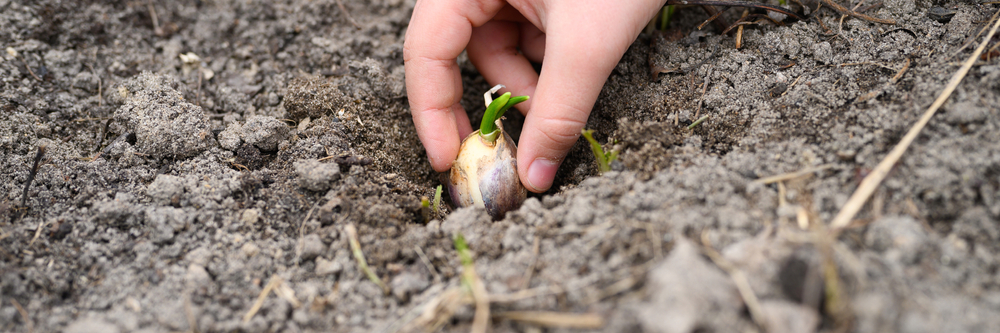
A bag of garlic looks like groceries, but biologically, you’re also looking at a surprising amount of potential planting material. Each bulb separates into individual cloves, and each healthy clove can potentially grow into an entirely new bulb, making planting garlic in fall one of the more satisfying ways to turn a small amount of planting stock into a much larger harvest. The math is simple: one planted clove can produce one head of garlic. If your $5 purchase contains several bulbs with multiple large cloves apiece, it’s easy to see how the multiplication works. There is one important catch, however: the cheapest supermarket bag isn’t necessarily the garlic you should put in your garden.
Fall Is the Best Time to Get Garlic Into the Ground
Unlike tomatoes and beans, garlic gets its start when most gardeners are shutting down the vegetable patch for the year. University of Minnesota recommends planting cloves in fall, typically one or two weeks after the first killing frost in its climate, allowing roots and shoots to begin developing before winter. It is also recommended that you plant roughly four to six weeks before the ground freezes so cloves have time to establish roots. Exact timing varies substantially by climate, so northern gardeners may plant weeks before gardeners in warmer regions. Rather than circling one nationwide date on the calendar, use your local first-freeze conditions and Extension recommendations to time planting garlic in fall.
Grocery Store Garlic Isn’t Necessarily Your Best $5 Investment
Yes, that supermarket garlic sitting in your kitchen may grow, but there’s a difference between can grow and best choice for a productive garden. You shouldn’t plant supermarket cloves because the varieties may have been produced for different climates and their storage conditions may interfere with good bulb development. Penn State similarly recommends clean, sound planting cloves from reputable suppliers or local garlic growers rather than ordinary grocery-store bulbs. Locally grown garlic from a farmers market can be an appealing budget compromise because you’re starting with something already proven in your region, although you should ask the grower whether it’s suitable for replanting. If you’re spending $5 specifically to create next year’s crop, seed garlic or locally adapted planting stock is generally a better gamble than whatever happens to be cheapest in the produce aisle.
One Clove Can Turn Into an Entire Bulb
This is where planting garlic in fall starts to feel like a particularly good deal. Instead of burying the entire garlic bulb, separate it into individual cloves shortly before you’re ready to plant, because each clove becomes its own plant. Illinois Extension notes that larger cloves tend to produce larger bulbs, so reserve the biggest, healthiest cloves for the garden and use the small ones for dinner. Don’t break the bulbs apart weeks ahead of time; Extension guidance recommends separating them close to planting so the cloves don’t dry unnecessarily and sacrifice performance. A bulb containing eight good planting cloves could therefore theoretically give you eight bulbs at harvest, and saving the best bulbs from that harvest can provide planting stock again next fall.
Plant the Pointed End Up
Garlic planting isn’t complicated, but orientation matters if you want straight, normally developing plants. Place each clove with its pointed growing tip facing upward and the flatter basal plate—the area where roots develop—facing down. University of Minnesota Extension recommends spacing cloves about six inches apart and positioning the base roughly two to three inches below the soil surface, while other Extension recommendations vary somewhat by region and growing system. That variation is another good reason to consult local guidance rather than treating one planting depth as universal. Give the plants enough room to develop respectable bulbs instead of packing dozens of cloves into a tiny patch simply because you want the largest possible plant count.
Good Drainage Matters More Than Fancy Garden Equipment
Garlic doesn’t require an elaborate raised-bed system or expensive specialty soil, but sitting in soggy ground all winter is not a recipe for success. University of Minnesota Extension says garlic grows best in well-drained soil that still retains moisture, with a soil pH between approximately 6.0 and 7.0. Incorporating well-rotted compost can improve organic matter, although a soil test is more useful than randomly adding fertilizer because you assume more nutrients automatically mean larger bulbs. Garlic also performs best with good sun exposure and relatively low weed competition, since its narrow leaves aren’t particularly good at shading out aggressive weeds. For a frugal gardener, preparing an existing sunny bed properly can be more valuable than spending money on containers, gadgets, or specialty fertilizers.
A Cheap Layer of Mulch Can Protect Your Investment
After planting garlic in fall, don’t necessarily walk away and leave the soil exposed. University of Minnesota Extension recommends approximately three to four inches of leaf or straw mulch in its climate to reduce temperature fluctuations through winter and early spring while helping suppress weeds. In colder areas, local recommendations may call for an even thicker layer, making regional guidance important again. Shredded leaves you’ve already collected from the yard can potentially provide some of that protection without adding another purchase to your garden budget. The goal isn’t to bury the bed under an enormous mountain of material, but to protect the planting while reducing the weed competition you’ll face when growth accelerates.
Don’t Panic If Green Shoots Appear Before Winter
Seeing garlic emerge in late fall can make a first-time grower wonder whether the entire crop has made a terrible scheduling mistake. Some shoot growth before winter can occur, and garlic’s real advantage comes from establishing roots and receiving the cold period needed for proper bulb development. Fall-planted garlic satisfies its chilling requirement naturally and gains additional root development before freezing weather, giving it a head start when growth resumes. Spring planting is possible, but Extension guidance recommends chilling spring-planted cloves beforehand to meet garlic’s cold requirement. That makes fall planting both simpler and more likely to produce the substantial bulbs most gardeners actually want.
Your Harvest Can Supply Next Year’s Planting Stock
The biggest savings may arrive after you’ve successfully grown garlic once. Save some of your largest, healthy bulbs after harvest so they can become planting stock the following fall. Cure harvested garlic in a dry location with good airflow and away from direct sunlight before preparing it for storage. Then, instead of eating every beautiful bulb, set aside enough of the best ones to break into cloves when planting season returns. Over several seasons, this turns planting garlic in fall from an annual seed purchase into a crop that can partially replenish its own planting supply. That’s the kind of garden math that makes a few initial bulbs far more valuable than their price tag suggests.
Plant a Few Cloves Now and Think About Next Summer
A $5 bag of garlic won’t automatically become a bumper crop simply because you bury every clove you can find. Starting with healthy, regionally appropriate planting stock, getting the timing right, choosing the largest cloves, providing good drainage, and controlling weeds all improve the odds that those cloves will become full-size bulbs rather than disappointing little plants. For many gardeners, planting garlic in fall is particularly appealing because most of the work happens after the summer vegetable rush and the crop then waits underground for spring. Once you’ve produced a successful harvest, saving your best bulbs for replanting can make the following year’s crop even cheaper.
Would you set aside part of your garlic harvest to plant again, or would you have a hard time resisting the temptation to eat every bulb?
What to Read Next
Can You Grow Grocery Store Garlic Instead of Buying Seed Garlic?
The Surprising Reason Your Garlic Isn’t Sprouting—And What to Do Before February
Can Growing Garlic Really Save Money Over Buying It at the Grocery Store?
Leave a Reply