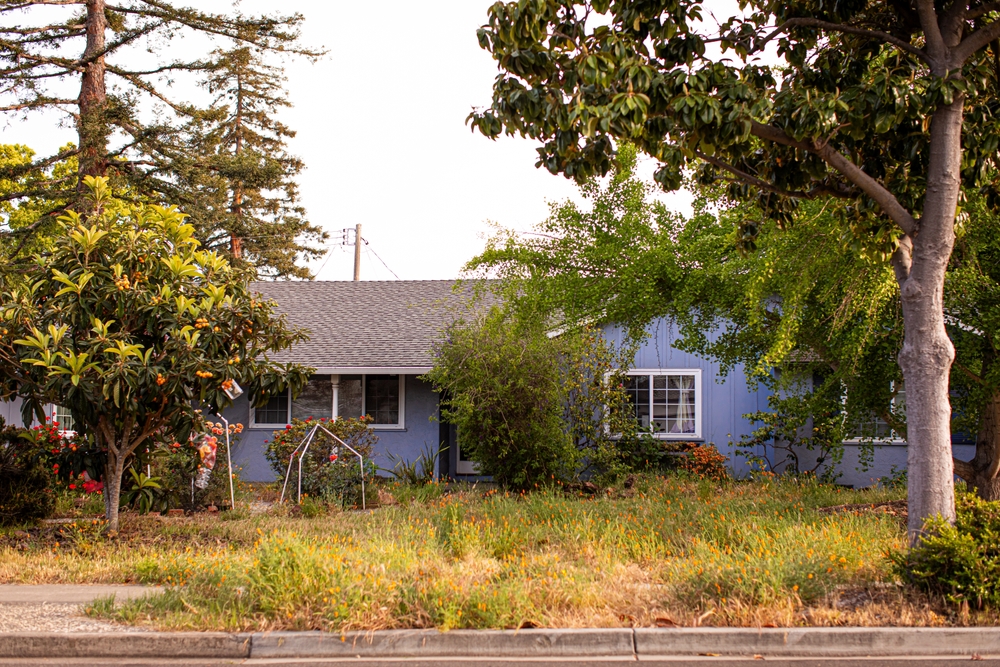
You might love the towering privacy hedge, elaborate flower beds, or backyard pond you’ve spent years creating, but potential homebuyers may see something entirely different. Instead of admiring your landscaping, they could be calculating how much money and time it will take to maintain or remove everything.
That’s a problem if you’re planning to sell your house anytime soon.
According to the National Association of Realtors, 92% of Realtors surveyed for its 2023 outdoor remodeling report recommended improving curb appeal before listing a home for sale.
However, not every landscaping improvement delivers the return homeowners expect, and some choices can make a property less appealing to certain buyers.
Before investing in another expensive outdoor project, consider these six landscaping mistakes that hurt home value and could make selling your house more difficult.
1. Planting Trees That Eventually Overwhelm the Property
That beautiful shade tree you planted 15 years ago may now be blocking windows, crowding the roof, or growing dangerously close to your house. While mature trees can improve curb appeal, poorly placed specimens may raise concerns about falling limbs, expensive pruning, and potential damage to nearby structures. Homebuyers who notice branches scraping the roof or roots lifting a sidewalk may immediately start calculating future maintenance expenses. The Arbor Day Foundation recommends considering mature tree size and available growing space when selecting trees for residential landscapes. Before listing your home, consider having a qualified arborist evaluate questionable trees rather than removing healthy specimens simply because they’ve grown large.
2. Installing Landscaping That Requires Constant Maintenance
Elaborate flower beds, precisely trimmed hedges, and specialty gardens can look spectacular when they’re properly maintained. However, buyers who prefer low-maintenance properties may view these features as expensive obligations rather than desirable improvements. Imagine touring a home with 20 ornamental shrubs that need regular shaping, several thirsty flower beds, and a complicated irrigation system requiring seasonal servicing. Even if the landscaping is beautiful, the potential workload could discourage someone who wants a yard that’s easy to manage. One way to avoid landscaping mistakes that hurt home value is to choose climate-appropriate plants that provide visual appeal without demanding excessive watering, pruning, or professional maintenance.
3. Letting Invasive Plants Take Over the Yard
Fast-growing bamboo, aggressive vines, and spreading ornamental plants might initially seem like inexpensive ways to fill empty landscaping spaces. Unfortunately, certain species can become difficult to control and create expensive problems for future homeowners. According to NC State Extension, running bamboo can spread up to 15 feet annually and may require years of consistent management to eradicate. A potential buyer who notices bamboo invading neighboring properties or growing through established garden beds may worry about removal costs and ongoing disputes. If invasive plants are already established, addressing the problem before listing could eliminate an obvious concern during property showings.
4. Replacing Too Much Usable Yard Space With Hardscaping
Patios, decorative stone, gravel gardens, and outdoor entertaining areas can make a property more attractive when they’re thoughtfully designed. However, covering nearly every inch of usable yard space with permanent hardscaping may limit the property’s appeal to buyers who want room for children, pets, or gardening. A backyard dominated by concrete or decorative rock may also create concerns about heat, drainage, and the expense of making future changes. Outdoor remodeling returns vary depending on project design, materials, location, and homeowner preferences. Before replacing large sections of lawn with permanent surfaces, consider whether the project preserves enough flexibility for someone with different outdoor priorities.
5. Adding Water Features That Come With Expensive Upkeep
A backyard pond, elaborate fountain, or decorative waterfall can create a relaxing outdoor environment, but these features aren’t maintenance-free. Pumps, filters, electrical components, cleaning, and seasonal care can add expenses that some buyers would rather avoid. A neglected pond with cloudy water or broken equipment may be particularly concerning because it suggests the next owner will inherit an immediate repair project. While attractive water features can appeal to certain buyers, their value depends on the quality of installation, condition, and preferences of the local housing market. Homeowners considering expensive additions should think carefully about long-term upkeep rather than assuming every outdoor improvement will increase resale value.
6. Neglecting Basic Lawn Care While Spending on Fancy Upgrades
One of the biggest landscaping mistakes that hurt home value is focusing on expensive improvements while ignoring the basics. A new stone walkway won’t make the best impression if buyers must walk past overgrown shrubs, dead grass, weeds, and neglected flower beds to reach the front door. The National Association of Realtors estimated that standard lawn care could recover 217% of its cost and general landscape maintenance could recover 104% in its 2023 remodeling analysis. Those figures represent survey-based estimates rather than guaranteed returns, but they demonstrate why simple upkeep deserves attention before major landscaping investments. Trimming shrubs, refreshing mulch, removing dead plants, and maintaining clean walkways may improve a property’s presentation without requiring thousands of dollars in renovations.
What Buyers Really Want From a Yard
The best landscaping for resale isn’t necessarily the most elaborate or expensive design in the neighborhood. Buyers often appreciate outdoor spaces that look attractive, function well, and don’t immediately suggest a long list of maintenance projects. A healthy lawn or thoughtfully designed alternative, a few well-placed trees, manageable garden beds, and accessible pathways can create an inviting first impression. Before spending money on improvements, ask a local real estate professional which outdoor features buyers in your area actually value. That advice can help you prioritize changes that make sense for your property rather than investing in projects that may never recover their cost.
Make Your Yard an Asset, Not a Selling Obstacle
Avoiding landscaping mistakes that hurt home value doesn’t mean homeowners should abandon personal style or remove every unusual feature from their yards. Instead, the goal is to balance beauty, functionality, maintenance costs, and the expectations of potential buyers. Trees that crowd structures, high-maintenance gardens, invasive plants, excessive hardscaping, complicated water features, and neglected lawns can all create concerns during the selling process. If you’re preparing to list your home, focus first on correcting visible problems and making the outdoor space feel clean, healthy, and manageable.
Have you ever toured a house where the landscaping made you reconsider buying it, or have you installed an outdoor feature you later regretted? Share your experience in the comments.
What to Read Next
10 Cheap Plants That Make Your Yard Look Professionally Landscaped
Why Americans Are Spending Less on Landscaping and More on Food Gardens
Why More People Are Choosing Functional Landscaping Over Traditional Lawns
Leave a Reply