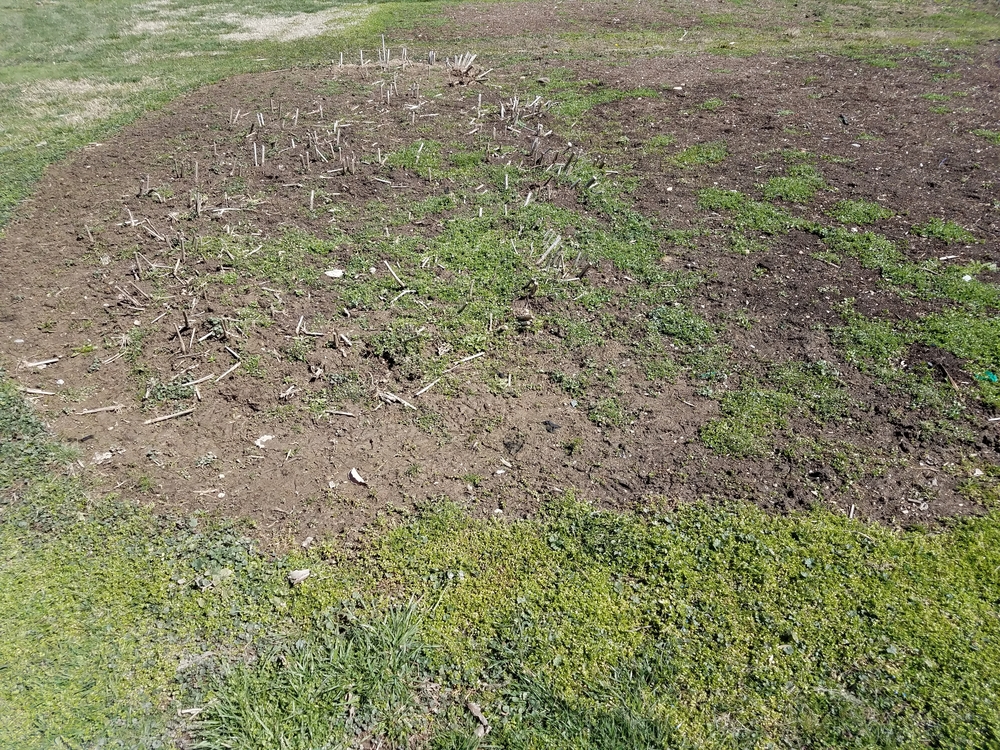
Your garden might look finished for the season, but those empty patches of soil between plants could be warning signs of problems waiting to happen. What looks like a harmless bare spot in October can become an area vulnerable to erosion, winter weeds, and soil compaction by spring.
The good news is that you don’t need expensive landscaping supplies to fix the problem.
A careful inspection of your garden beds before freezing temperatures arrive can reveal where plants struggled, where soil is washing away, and which areas need extra protection.
Bare spots in garden beds aren’t always a sign that something went wrong, but understanding why they appeared can help you prevent bigger problems next growing season.
Here’s how to identify vulnerable areas and protect your soil before winter arrives.
Look for Exposed Soil Between Established Plants
The easiest place to begin is by walking through your garden and looking for patches of exposed soil between shrubs, perennials, and other established plants. Some open space is normal, particularly around young plants that haven’t reached their mature size. However, large areas of uncovered soil can be vulnerable to erosion, weed growth, and moisture loss during changing weather conditions. According to the USDA Natural Resources Conservation Service, keeping soil covered is one of the core principles of maintaining healthy soil. Mark the largest exposed areas so you can decide whether they need mulch, a cover crop, or additional planting before winter.
Check Areas Where Summer Plants Have Died Back
Vegetable gardens often develop large empty patches after tomatoes, peppers, squash, and other warm-season crops finish producing. These bare spots in garden beds can remain exposed for months if gardeners remove spent plants without replacing their protective ground cover. Examine the soil where crops grew and look for signs of erosion, unusual discoloration, compacted surfaces, or lingering plant debris. If the plants died from suspected disease, identify the problem before composting the remains or planting another susceptible crop in the same location. Once the area is cleared of problematic debris, consider covering the soil with shredded leaves, clean straw, or an appropriate cover crop.
Watch for Soil Washing Away After Heavy Rain
One of the clearest signs that a bare garden bed needs attention is visible soil movement after a rainstorm. Look for small channels, exposed plant roots, muddy runoff, or sediment collecting at the bottom of sloped planting areas. These signs suggest water is moving across the surface quickly enough to carry valuable topsoil away from the garden. The USDA Natural Resources Conservation Service emphasizes maintaining soil cover and living roots as important practices for reducing erosion and improving soil health. If you notice repeated runoff, adding mulch may help, but persistent drainage problems could require changes to grading, water flow, or planting design.
Identify Spots Where Mulch Has Disappeared
A garden bed doesn’t have to be completely empty to develop vulnerable patches during the colder months. Wind, heavy rain, decomposition, and ordinary garden maintenance can leave sections where the original mulch layer has become thin or disappeared. Inspect areas beneath trees, around shrubs, and along bed edges where exposed soil may be easier to overlook. A loose layer of organic mulch can help moderate soil temperature changes, conserve moisture, and reduce erosion while gradually contributing organic matter. Keep mulch away from tree trunks and plant crowns, since piling material directly against living stems can trap moisture and encourage decay.
Check for Compacted or Crusted Soil
Not every bare patch is caused by a missing plant or insufficient mulch, and some areas may have underlying soil problems. Soil that develops a hard crust after rainfall or feels unusually dense may struggle to absorb water and support healthy root growth. Repeated foot traffic, working soil when it’s wet, and poor soil structure can all contribute to compaction. Instead of aggressively digging through wet garden beds, note the affected locations and consider using compost, protective mulch, and designated walking paths to improve conditions over time. Identifying these bare spots in garden beds before winter gives you an opportunity to address the cause rather than repeatedly replacing plants that struggle in the same location.
Look for Weeds Taking Advantage of Empty Spaces
Bare soil creates opportunities for weeds to establish themselves when desirable plants aren’t occupying the available space. Some winter annual weeds germinate during cooler fall weather, survive the colder months, and resume vigorous growth as temperatures rise. Check exposed areas for tiny seedlings, especially along bed edges and between dormant perennials. Removing young weeds before they become established can reduce the amount of work required when spring gardening begins. After clearing the area, apply appropriate mulch or establish a cover crop to reduce the amount of exposed soil available for future weed growth.
Decide Whether to Mulch, Plant, or Leave the Area Alone
Once you’ve identified the bare spots in garden beds, the next step is choosing the most practical solution for each location. Empty vegetable beds may benefit from a cover crop when enough growing time remains, while perennial borders often respond well to a layer of shredded leaves or other organic mulch. Some areas containing dormant bulbs, self-seeding flowers, or emerging perennial crowns need careful treatment to avoid burying desirable growth too deeply. If you’re planning a new garden layout next spring, temporarily protecting the soil may be more economical than purchasing plants that won’t have time to establish before winter. The goal isn’t to fill every empty inch with vegetation, but to keep vulnerable soil protected while preserving healthy growing conditions for existing plants.
A Fall Garden Inspection Can Save You Work Next Spring
Taking time to identify bare spots in garden beds before winter can help prevent avoidable soil damage and reduce future landscaping expenses. Exposed soil, erosion, disappearing mulch, compaction, and emerging weeds are all worth checking before colder weather settles in. Fortunately, many of these problems can be addressed with inexpensive materials such as shredded leaves, homemade compost, and mulch already available around your property. Focus first on areas showing active erosion or significant exposure, then make a simple plan for improving the remaining beds next spring.
Have you noticed bare patches developing in your garden beds this fall, and do you cover them with mulch, plant something new, or leave them until spring? Share your gardening approach in the comments.
What to Read Next
The Right Way to Freeze Fresh Herbs for Winter Cooking
Leave a Reply