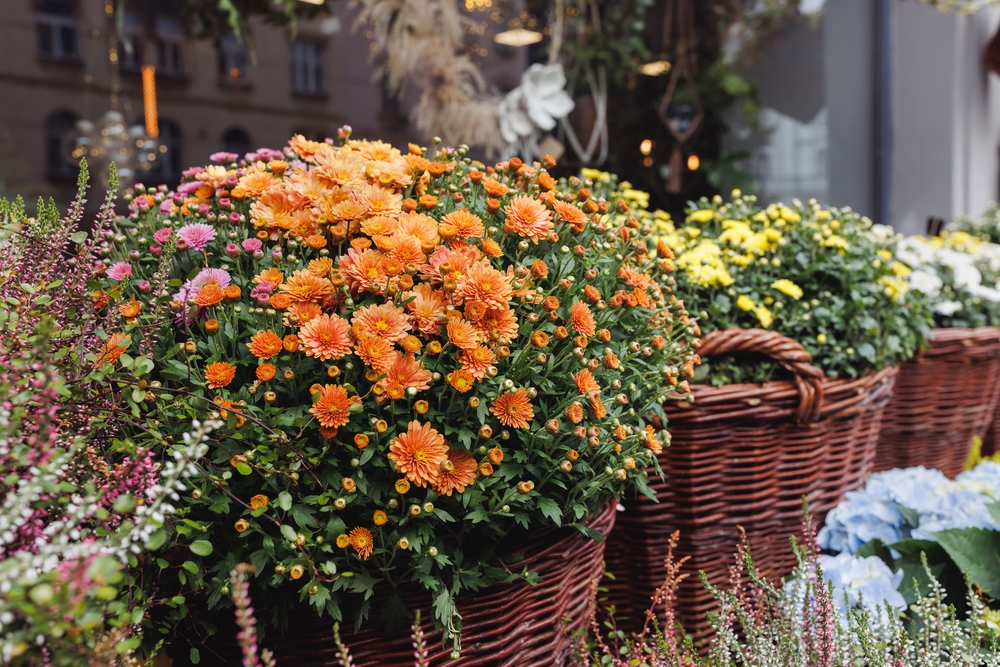
By September and October, a garden that looked spectacular in June can suddenly feel tired, brown, and surprisingly empty. That doesn’t mean you need to rip everything out or spend a small fortune filling the gaps with decorative pumpkins and disposable plants. The right fall flowers can keep beds and containers colorful well after many summer annuals have faded, and several choices also provide late-season food for pollinators. Penn State points to chrysanthemums, asters, and goldenrod as classic choices but notes that plenty of other perennials and annuals can contribute autumn color. If your beds need a late-season rescue, these plants can make October look like part of the gardening season rather than its closing ceremony.
Mums Are Popular for a Reason
Walk into almost any garden center in early fall, and chrysanthemums will probably be the first flowers you see. They come in yellows, oranges, reds, purples, pinks, and whites, and the University of Illinois notes that garden mums typically grow about two to four feet tall. One money-saving caution is that a blooming mum purchased in fall shouldn’t automatically be treated as a perennial investment because plants put into the ground late may not establish enough roots to survive winter. If you want mums that return, look specifically for hardy perennial cultivars appropriate for your growing zone and ideally establish them earlier in the season. For instant fall flowers, however, even a temporary mum can fill a large bare space with an impressive amount of color.
Asters Take Over When Summer Flowers Quit
Asters are one of the best answers to the awkward gap between the summer flower show and winter dormancy. Depending on the species and cultivar, their daisy-like blooms can appear in shades of purple, blue, pink, red, and white, often surrounding cheerful yellow centers. New England and aromatic asters are popular choices, and different asters can range from compact six-inch plants to towering specimens approaching six feet. These late flowers also provide nectar for bees and butterflies at a point when many other garden plants have stopped blooming. Give asters full sun to light shade, good drainage, and enough room for their mature size rather than squeezing a tall variety into the front of a small bed.
Pansies Can Handle Weather That Stops Tender Annuals
Pansies aren’t enormous plants, but their ability to keep providing color in cool weather makes them extremely useful during fall. Pansies are among hardy annuals capable of tolerating cool air, cool soil, and light frost. That means you can pull out a worn-out summer annual and replace it with pansies without assuming the first chilly night will immediately destroy your purchase. Use them along bed edges, around taller perennials, or in containers where their relatively small flowers can be seen up close. For frugal gardeners, a few strategically placed flats can refresh the visible front of a bed without requiring you to replace everything growing behind them.
Sedum Keeps Getting Better as Fall Arrives
Some plants don’t need to be purchased in autumn at all because they’ve quietly been preparing for their best season since spring. Upright sedums, including types commonly sold as autumn stonecrops, develop substantial flower heads that become increasingly noticeable as summer fades. University of Illinois includes sedums among perennials with late-season blooms, along with asters, helenium, Joe Pye weed, and black-eyed Susans. The fading flower heads can also remain attractive after flowering, so gardeners don’t necessarily need to rush outside with pruning shears as soon as the color changes. A perennial that contributes structure for months and then produces autumn flowers gives you considerably more value than a plant that looks good for two weeks.
Goldenrod Brings a Burst of Yellow
Goldenrod can make an autumn garden look as though someone switched the lights back on. Its clusters of bright yellow flowers stand out particularly well beside purple asters, creating one of fall’s easiest natural color combinations. University of Minnesota describes goldenrod as a late-season source of food for pollinators preparing for winter and notes that it performs well in full sun. Goldenrod also gets unfairly blamed for seasonal allergies because it blooms around the same time as ragweed, whose lightweight windborne pollen is the more significant allergy culprit. Choose a garden-appropriate species or cultivar and give spreading types enough room rather than dismissing these valuable fall flowers as roadside weeds.
Black-Eyed Susans Bridge Summer and Fall
Sometimes the easiest way to create fall color is to choose summer plants that simply refuse to stop when August ends. Black-eyed Susans can continue their golden-yellow display into autumn, helping visually connect peak summer beds with later asters and mums. Black-eyed Susans are among the recommended perennials with late-season blooms, while the University of Minnesota notes that deadheading can help extend flowering. Once flowering ends, leaving some seed heads standing can also provide food for birds instead of immediately cutting every stem to the ground. That gives one plant multiple jobs: summer color, fall color, pollinator value, and later-season wildlife interest.
Snapdragons Can Get a Second Wind
Snapdragons are easy to associate with spring, but cool autumn weather can give these plants another opportunity to shine. Snapdragons are among hardy annuals that tolerate cool conditions and light frosts better than tender annuals. If plants survived summer without becoming completely exhausted, trimming spent flowers and providing consistent moisture may encourage another flush as temperatures become more comfortable. Garden centers may also offer fresh plants that can replace heat-loving annuals already headed for the compost pile. Their vertical flower spikes provide useful contrast when most of your fall flowers have rounded or mounded forms.
Ornamental Kale Adds Color Without Relying on Flowers
Not every colorful autumn plant actually needs to bloom. Ornamental kale and cabbage develop dramatic rosettes in combinations of green, white, pink, and purple, and their appearance often improves as temperatures cool. They are recommended for full-sun fall containers, where their broad leaves create a useful contrast with flowering plants. They also work well in garden beds after summer annuals are removed, particularly when planted in repeating groups rather than as isolated specimens. Because you’re buying the foliage rather than waiting for flowers, the plant looks decorative immediately and doesn’t need to reach a particular bloom stage before earning its space.
Sweet Alyssum Can Fill the Small Gaps
When your fall bed already has large mums, asters, or ornamental kale, the missing ingredient may be something much smaller. Sweet alyssum grows only a few inches tall and produces masses of tiny flowers that work particularly well along edges and between larger plants. Sweet alyssum is a hardy annual capable of handling light frost and is recommended for full sun to partial shade with moist, well-drained soil. Its spreading habit can soften the hard edges of containers and make a relatively inexpensive planting look fuller. This is also a smart way to use small pockets of soil where buying another large perennial would be unnecessary.
Don’t Forget the Flowers Already in Your Garden
Before buying an entire cart of new fall flowers, take inventory of what you already have. Penn State notes that plants such as calendula can provide autumn color, while many perennials and annuals also produce attractive seed heads after their main bloom ends. Ornamental grasses, hydrangeas, long-blooming annuals, and plants with colorful foliage may already provide enough structure that you only need a few strategic additions. Moving containers toward the front of a tired bed or grouping several small pots together can also create more visual impact without purchasing additional plants. The frugal goal isn’t to recreate May in October; it’s to use a few late performers to make what remains of the garden look intentional.
Stretch the Garden Season Without Replanting Everything
A good fall garden isn’t necessarily one packed with brand-new plants from the garden center. Combine long-lived perennials such as asters, sedum, goldenrod, and black-eyed Susans with inexpensive seasonal additions such as pansies, snapdragons, alyssum, and ornamental kale, and you can fill gaps without starting the landscape over. Remember that fall-planted perennials need enough time to establish roots before the ground freezes. Try giving asters and garden mums roughly six weeks when possible. Choosing fall flowers that also feed pollinators, provide winter structure, or return next year stretches the value of every dollar you spend.
Which fall flower keeps blooming longest in your garden after your summer plants begin to fade?
What to Read Next
Don’t Prune These 7 Plants in Fall or You Could Lose Next Year’s Flowers
Those Dead Flower Stems Look Ugly — Here’s Why Gardeners Are Leaving Them Until Spring
Don’t Throw Away Those Dead Flower Heads — They Could Save You Money Next Spring
Leave a Reply