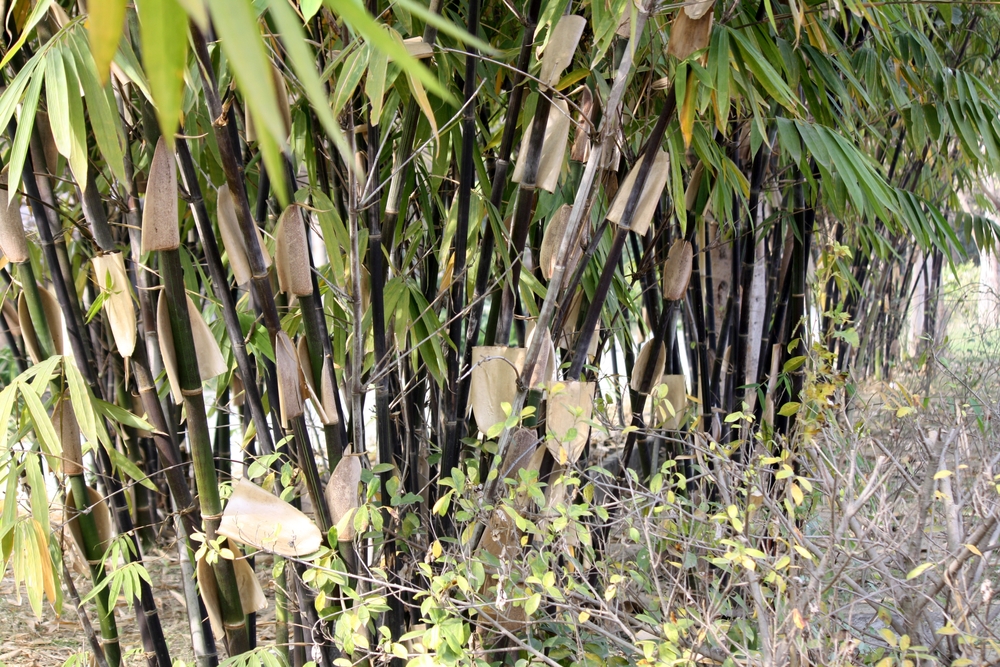
Imagine spending $200 on a few beautiful bamboo plants to create a natural privacy screen in your backyard. Within a couple of years, you’ve got the lush, tropical-looking barrier you wanted, and you haven’t spent thousands of dollars installing a fence.
Then your neighbor knocks on the door because bamboo shoots are appearing on their side of the property line.
Suddenly, your inexpensive landscaping project could turn into a nightmare involving damaged patios, expensive removal services, and potentially even legal action.
The problem is that not all bamboo behaves the same way, and running bamboo can spread aggressively underground long before homeowners realize what’s happening.
Before planting bamboo in your yard, it’s worth understanding how quickly a seemingly harmless landscaping decision can turn into an expensive problem.
Running Bamboo Can Spread Far Beyond Where You Plant It
Bamboo might look like a collection of individual stalks, but some varieties develop extensive underground networks called rhizomes. These horizontal stems can travel beyond the original planting area and produce new shoots several feet away from the parent plants. According to the University of Maryland Extension, running bamboo can become difficult to control once its underground rhizomes become established. Unlike clumping bamboo, which generally expands outward more gradually, running varieties can invade nearby garden beds, lawns, and neighboring properties. The real expense often begins when homeowners discover that cutting down visible bamboo stalks doesn’t eliminate the underground system responsible for producing new growth.
Your Neighbor Could Demand That You Pay for Removal
One of the biggest financial risks associated with running bamboo involves what happens when it crosses a property boundary. If underground rhizomes spread into a neighboring yard, they may interfere with landscaping, fencing, or other improvements and create an expensive dispute. Whether the bamboo owner must pay for removal or resulting damage depends on applicable state laws, local ordinances, and the circumstances of the encroachment. Some jurisdictions have adopted specific bamboo regulations, while others address disputes through nuisance or property damage laws. Before planting, check your municipality’s rules and consider how much responsibility you might face if the bamboo spreads beyond your control.
Removing Established Bamboo Can Be Surprisingly Expensive
Pulling a few bamboo shoots out of the ground might seem simple, but established plants can require considerably more work. Removing running bamboo often involves cutting the stalks, excavating underground rhizomes, and monitoring the area for new shoots over multiple growing seasons. Bamboo removal may require repeated cutting or carefully managed herbicide treatments because remaining rhizomes can produce additional growth. Professional removal costs vary based on the size of the infestation, accessibility, soil conditions, and whether excavation equipment is necessary. Homeowners should request multiple written estimates and ask whether follow-up treatment is included before agreeing to an expensive removal project.
Bamboo Can Create Problems Around Patios and Landscaping
Bamboo’s underground growth can become especially troublesome when rhizomes encounter garden borders, paving, and other landscaping features. Vigorous shoots may emerge through existing gaps or weak points in hardscaping, potentially requiring homeowners to lift or repair affected materials. However, claims that bamboo routinely breaks through sound concrete foundations are often exaggerated, and the actual risk depends on the structure and growing conditions. The more common problem is that spreading rhizomes can occupy areas where homeowners never intended bamboo to grow. If running bamboo reaches established flower beds or ornamental shrubs, removing it without damaging desirable plants can become particularly labor-intensive.
Installing a Root Barrier Isn’t Always a Permanent Solution
Some homeowners assume that installing a plastic root barrier makes running bamboo completely safe to plant near property lines. Properly designed rhizome barriers can help contain certain bamboo varieties, but installation depth, material quality, and regular inspections are critical. Rhizomes can sometimes travel over the top of barriers or exploit gaps and damaged sections if the planting isn’t monitored. Effective containment may require a specialized barrier installed according to the bamboo species and site conditions, with its upper edge remaining visible for inspection. Even after investing in containment, homeowners should expect ongoing maintenance rather than assuming the bamboo will remain confined indefinitely.
Some Communities Have Specific Rules About Bamboo
Bamboo isn’t automatically illegal to grow, but local governments increasingly recognize the problems certain running varieties can create. For example, some municipalities require property owners to contain running bamboo and prevent it from spreading onto neighboring land. Others may establish setbacks, maintenance requirements, or enforcement procedures for bamboo that becomes a nuisance. Homeowners associations can also regulate bamboo through landscaping guidelines, approved plant lists, or restrictions on invasive vegetation. Before buying bamboo from a nursery, verify the exact species and check both municipal regulations and HOA requirements to avoid purchasing plants you may later be required to remove.
There Are Safer Ways to Create Backyard Privacy
If your main goal is blocking a neighbor’s view, bamboo isn’t your only landscaping option. Depending on your climate and available space, compact arborvitae, inkberry holly, certain viburnums, or other regionally appropriate shrubs may provide attractive screening without aggressive running rhizomes. Clumping bamboo can also be an option in suitable climates, although homeowners should research the specific species because mature size and cold tolerance vary considerably. The Arbor Day Foundation recommends considering mature plant dimensions and available growing space when selecting trees and shrubs for landscaping. Choosing plants that naturally fit your yard can reduce pruning expenses, prevent overcrowding, and eliminate some of the headaches associated with controlling running bamboo.
Think About the Long-Term Cost Before Planting Bamboo
Bamboo can be an attractive addition to a landscape, but the wrong variety in the wrong location can become an expensive commitment. The greatest risks generally involve aggressive underground spreading, ongoing containment, removal expenses, and disputes when plants cross property boundaries. Homeowners considering running bamboo should research the species, understand local regulations, and calculate the cost of maintaining it for years rather than focusing only on the purchase price. If you’re primarily interested in creating privacy, a slower-growing hedge or appropriately selected clumping bamboo may offer a more manageable alternative.
Have you ever planted bamboo or dealt with it spreading into your yard from a neighboring property, and how difficult was it to control? Share your experience in the comments.
What to Read Next
Why More People Are Choosing Functional Landscaping Over Traditional Lawns
The Outdoor Living Trend That’s Quietly Replacing Formal Landscaping
Leave a Reply