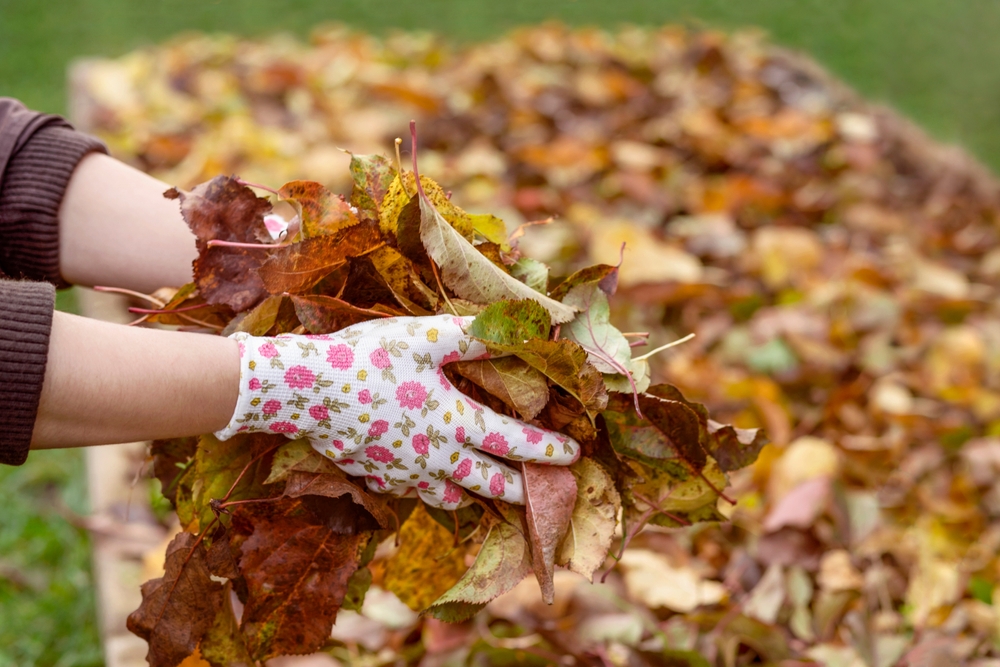
Every fall, homeowners spend hours raking leaves into bags, dragging them to the curb, and sometimes paying someone to haul them away. Then, a few months later, many of those same homeowners head to the garden center to purchase mulch, compost, and soil amendments.
There’s something wrong with that picture.
Those leaves you’re throwing away could actually help your garden survive winter, improve your soil, and reduce how much money you spend on landscaping supplies next spring.
According to NC State Cooperative Extension, fallen leaves contain valuable nutrients and organic matter that can benefit lawns, vegetable gardens, and flower beds as they decompose.
Instead of treating them like trash, using fallen leaves in the garden can turn an annual cleanup chore into an opportunity to save money.
Here’s how to make those leaves work for you without accidentally damaging your lawn or plants.
Turn Fallen Leaves Into Free Garden Mulch
One of the easiest ways to save money on fall landscaping is to use leaves instead of purchasing bags of mulch. Spread a loose layer around established shrubs, trees, and perennial flower beds to help retain soil moisture and moderate temperature changes. As the leaves gradually break down, they return organic matter to the soil and support the organisms responsible for healthy soil structure. Recommendations often mention shredding leaves when using them as mulch because smaller pieces decompose faster and are less likely to form thick, water-resistant mats. Keep the material away from tree trunks and avoid burying the crowns of smaller plants, since excessive moisture and heavy leaf accumulation can cause problems.
Protect Perennials From Winter Temperature Swings
Cold weather can be especially challenging for newly planted perennials and plants growing near the edge of their recommended hardiness zones. A layer of fallen leaves can help insulate the soil around their roots and reduce exposure to sudden temperature changes. According to Iowa State University Extension, leaving appropriate leaf litter in garden beds can provide winter protection for perennial plants and beneficial wildlife. However, gardeners should avoid piling heavy, wet leaves directly over delicate plant crowns because the resulting mat can trap excessive moisture and smother growth. Using fallen leaves in the garden works best when you distribute them thoughtfully rather than dumping an entire season’s collection onto one flower bed.
Make Leaf Mold Instead of Buying Soil Amendments
If you’ve ever purchased compost or soil conditioner to improve a garden bed, you may already have a free alternative sitting in your backyard. Leaf mold is the dark, crumbly material produced when fallen leaves gradually decompose, primarily through fungal activity. To make it, collect leaves in a ventilated wire enclosure or a designated pile, moisten them when necessary, and allow them to break down over time. Depending on the leaf type, moisture, and whether the material is shredded, producing usable leaf mold can take many months or longer than a year. Once decomposed, it can improve soil structure and water retention, potentially reducing your need to purchase commercial soil amendments.
Add Leaves to Your Compost Pile
Fallen leaves are an excellent source of carbon-rich material for backyard composting, especially when combined with nitrogen-rich kitchen scraps or fresh grass clippings. A compost pile made entirely of dry leaves will generally decompose more slowly than one containing a balanced mixture of materials. Try combining excess leaves with green materials to create compost that can eventually benefit garden soil. Keep the pile moist but not waterlogged, and turn it periodically if you’re trying to speed up decomposition. By using fallen leaves in the garden this way, you can produce a useful soil amendment while reducing the amount of yard waste leaving your property.
Leave Some Leaves for Beneficial Insects
Not every leaf needs to be shredded, composted, or moved into a carefully arranged garden bed. Fallen leaves provide important winter habitat for insects, including some pollinators and other beneficial species that gardeners depend on. University of Maryland Extension explains that leaving some leaf litter intact benefits wildlife because shredding can destroy the shelter provided by whole leaves. Consider keeping an undisturbed layer beneath established shrubs, along woodland edges, or in quieter sections of your garden where it won’t smother sensitive plants. This approach costs nothing and can support the insects that help pollinate flowers and contribute to a healthier backyard ecosystem.
Shred Leaves Into Your Lawn Instead of Bagging Them
Leaving a thick blanket of whole leaves on your lawn throughout winter can block sunlight, restrict airflow, and damage the grass underneath. However, that doesn’t mean every fallen leaf needs to be collected and hauled away. You should try to manage excessive leaf accumulation by redistributing leaves, composting them, or using appropriate mulching practices. When leaf coverage is light and dry, running a mulching mower over the lawn can chop leaves into pieces small enough to settle between grass blades and gradually decompose. If the grass remains buried beneath visible piles afterward, collect the excess and move it into garden beds rather than risking expensive lawn repairs next spring.
Know Which Leaves Shouldn’t Stay in Your Garden
Although using fallen leaves in the garden has numerous benefits, not every type of plant debris belongs in a compost pile or protective mulch layer. Leaves and other debris heavily affected by certain diseases or insect infestations may need to be removed to reduce the chance of problems returning next season. Remove diseased, pest-infested, and heavily seeding plant debris because many home compost piles don’t reach temperatures sufficient to destroy pathogens or weed seeds. Homeowners should also keep leaf piles away from storm drains, heavily used walkways, and areas where accumulated moisture could create maintenance or safety concerns. When in doubt about a particular plant disease or pest, contact your local cooperative extension office before adding questionable material to your garden.
Your Fall Leaves Could Be Worth More Than You Think
The next time you look at a yard covered in autumn leaves, consider how much money those natural materials could save you. Instead of paying for removal and purchasing replacement landscaping supplies, you can turn suitable leaves into mulch, compost, soil conditioner, and winter protection for established plants. Using fallen leaves in the garden doesn’t mean abandoning yard maintenance, since thick accumulations can still damage grass and delicate vegetation. The smartest approach is to keep leaves where they’re beneficial, move excess material into appropriate garden areas, and remove debris that creates genuine problems.
Do you rake and bag every leaf in your yard, or have you started using fallen leaves to save money and improve your garden? Share your experience in the comments.
What to Read Next
How to Harvest Basil Before Cold Nights Ruin the Leaves
What Happens If You Leave Carrots in the Ground All Winter?
Don’t Bag Those Fall Leaves — They Could Replace 3 Things You Pay for in the Garden
Leave a Reply