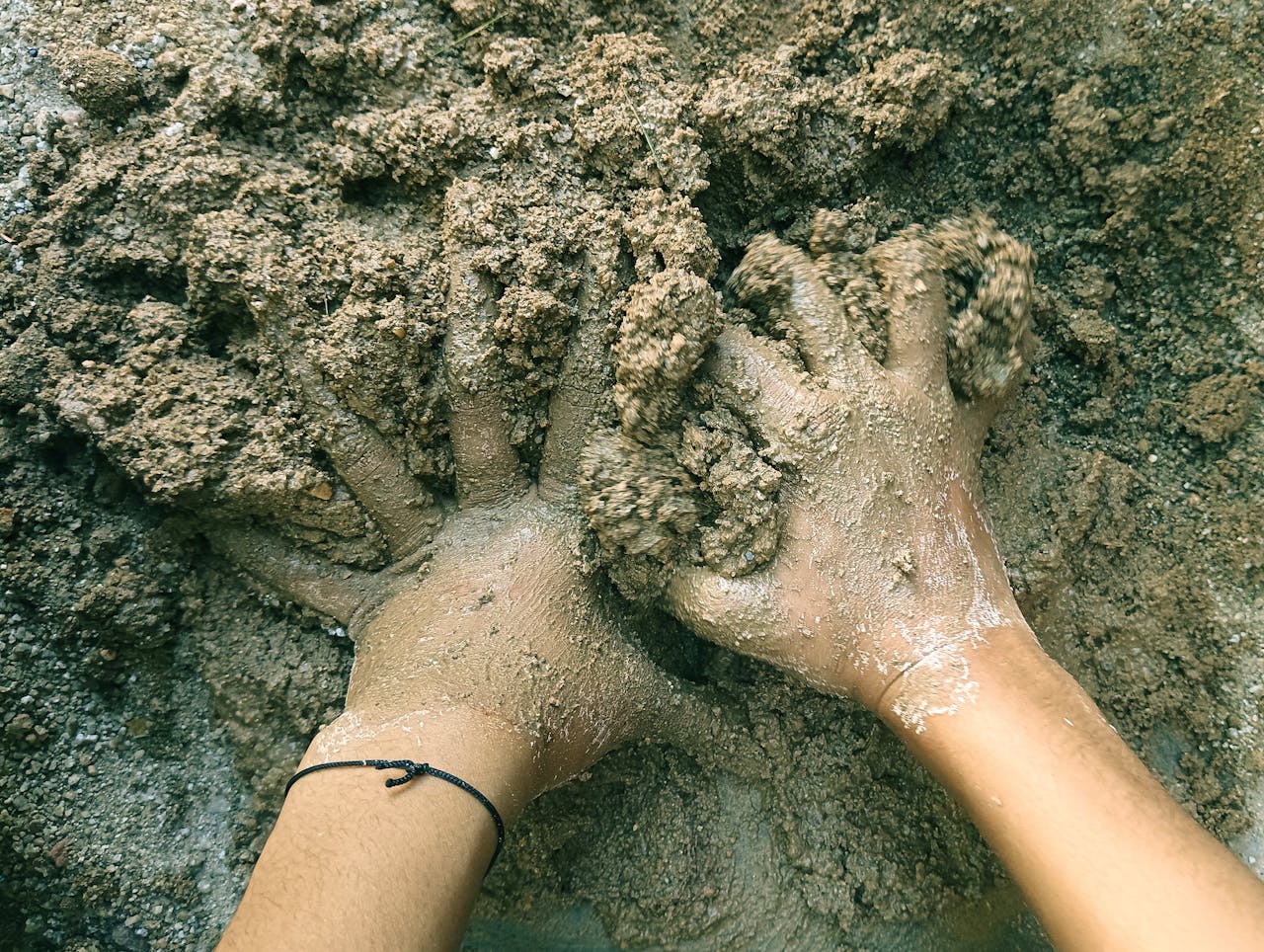
Clay soil loves to test a gardener’s patience. One rainy week turns the yard into a sticky swamp, while a hot July afternoon can bake that same soil into something that resembles a brick patio. Plenty of plants throw in the towel under those conditions, but a smart gardener knows one secret: the right plants actually love clay soil. Instead of fighting stubborn ground every season, savvy homeowners can choose selections that sink strong roots into dense earth and put on a spectacular show year after year.
Clay soil also brings a hidden advantage that many gardeners overlook. It holds nutrients better than sandy soil, which means plants that adapt to it often grow lush foliage and vibrant blooms with less fertilizer. The trick involves choosing varieties tough enough to handle slow drainage and compacted conditions without turning yellow, droopy, or downright miserable.
1. Black-Eyed Susan Brings Sunshine to Tough Soil
Black-Eyed Susans refuse to act delicate, and that rugged attitude makes them perfect for clay soil gardens. These bright golden flowers explode with color from midsummer into fall and tolerate heat, humidity, and inconsistent rainfall without drama. Dense clay actually helps support their upright stems because the soil retains moisture during dry stretches. Butterflies flock to the blooms while birds snack on the seed heads later in the season, turning an ordinary flower bed into a buzzing wildlife hotspot.
Garden centers across the country stock several varieties, but the classic Rudbeckia fulgida remains one of the toughest choices for difficult soil. Mature plants usually grow between two and three feet tall and spread steadily without becoming invasive. A thick layer of mulch around the base helps regulate moisture and prevents the clay from cracking during hot weather. Many gardeners pair Black-Eyed Susans with ornamental grasses because the contrast between bright flowers and flowing grass creates a relaxed prairie-style look that feels effortlessly beautiful.
2. Daylilies Laugh at Heavy Clay Conditions
Daylilies might rank among the most forgiving perennials in the gardening world. These colorful bloomers push through thick clay with surprisingly little effort and reward homeowners with waves of flowers in shades ranging from buttery yellow to deep burgundy. Even neglected clumps continue blooming for years, which explains why older farmhouses and roadside gardens still feature thriving daylilies decades after planting. Their thick roots tolerate moisture-retentive soil much better than many fussy flowering plants.
Successful gardeners often divide daylilies every three to five years to keep the blooms vigorous and prevent overcrowding. Clay soil gives these plants extra stability, which helps taller varieties stay upright after summer thunderstorms roll through. Modern hybrids now offer reblooming varieties that flower multiple times each season, extending the color show well beyond early summer. A sunny location delivers the strongest blooms, although many daylilies still perform surprisingly well in partial shade.
3. Coneflowers Add Beauty Without the Fuss
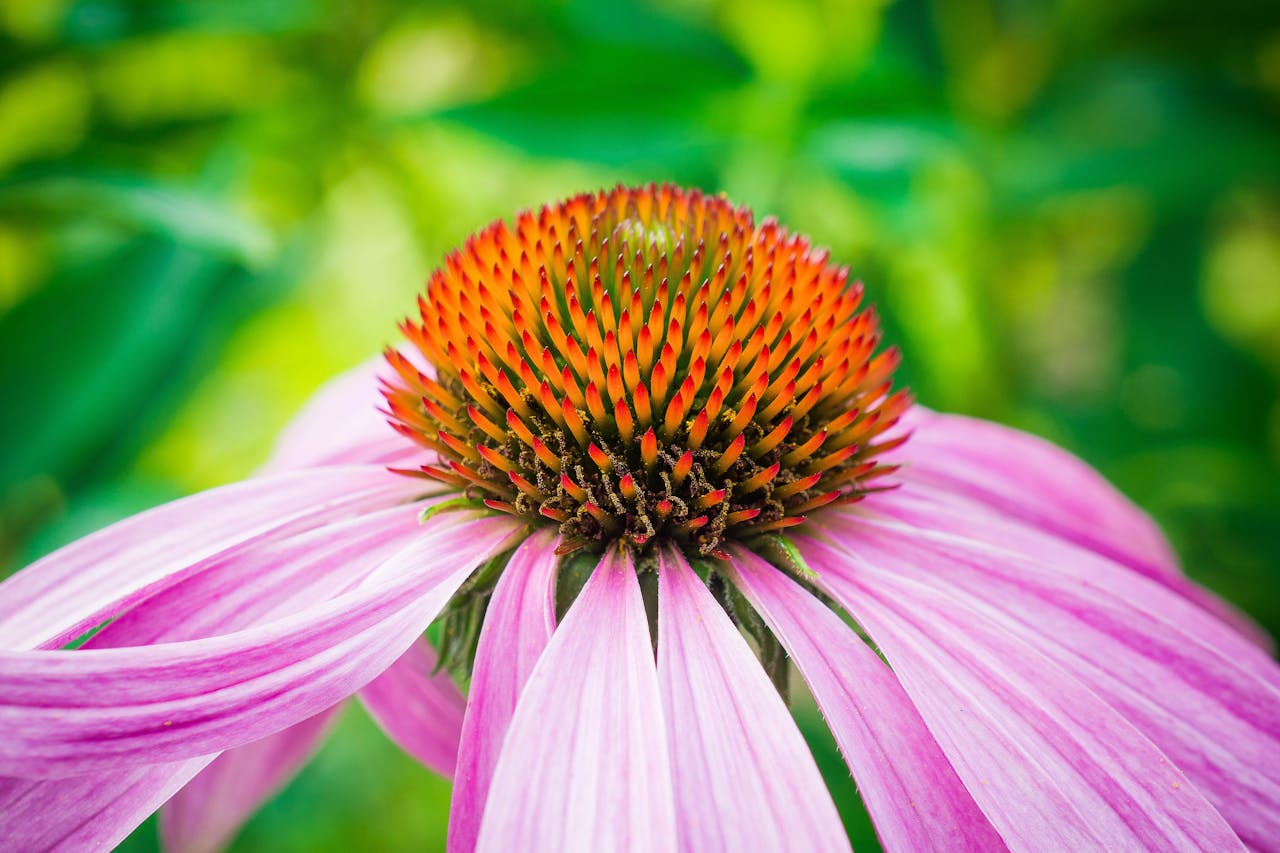
Coneflowers combine toughness and style in a way that few garden plants can match. Their daisy-like flowers stand tall above sturdy stems while deep roots anchor them securely in dense clay soil. Once established, coneflowers tolerate drought, summer heat, and sudden downpours with very little maintenance. Pollinators adore them, especially bees and butterflies that crowd the blooms during peak summer months.
Purple coneflower remains the most recognizable variety, but modern selections now include fiery orange, bright pink, white, and even green blooms. Clay soil actually protects coneflowers during dry spells because it retains moisture deeper underground where the roots reach. Gardeners who leave seed heads standing through autumn often attract goldfinches that feast on the seeds throughout winter. That natural wildlife activity gives the garden year-round energy instead of shutting everything down after summer fades.
4. Switchgrass Thrives Where Other Plants Sulk
Switchgrass deserves far more attention in residential landscapes because it handles clay soil like a champion. Native to the prairies, this ornamental grass develops deep roots that break through compacted soil while helping improve drainage over time. Tall airy plumes sway gracefully in the breeze and create movement that softens stiff-looking landscapes. Many homeowners also appreciate how switchgrass maintains visual interest long after flowers and annuals disappear for the season.
Popular varieties such as ‘Northwind’ and ‘Shenandoah’ offer dramatic color changes throughout the year. Summer foliage starts green or blue-green before shifting into shades of copper, red, or gold as autumn arrives. Switchgrass rarely requires staking because thick clay anchors the roots firmly in place. Landscapers frequently use it near driveways, sidewalks, and drainage-prone areas where weaker plants struggle to survive.
5. Bee Balm Turns Clay Gardens Into Pollinator Magnets
Bee balm delivers explosive color and nonstop pollinator activity during the hottest part of summer. Hummingbirds zip between the shaggy blooms while butterflies crowd the flowers from morning until dusk. Unlike plants that rot in dense soil, bee balm tolerates clay remarkably well as long as gardeners avoid areas with standing water. The mint-family plant spreads enthusiastically, which makes it useful for filling large flower beds quickly.
Good airflow remains important because humid conditions can sometimes encourage powdery mildew on the leaves. Smart gardeners space bee balm properly and divide crowded clumps every few years to keep plants healthy and blooming heavily. Red varieties attract hummingbirds almost immediately, although pink, lavender, and purple cultivars also create a stunning visual display. Many gardeners plant bee balm near patios or decks because the constant pollinator activity adds life and movement to outdoor spaces.
6. Viburnum Shrubs Deliver Year-Round Strength
Viburnums handle clay soil so well that many professional landscapers rely on them for dependable structure in difficult yards. These hardy shrubs produce clusters of flowers in spring, colorful berries in summer or fall, and attractive foliage that often changes color before winter arrives. Their adaptable root systems tolerate compacted ground much better than many ornamental shrubs sold at big-box garden centers. Once established, viburnums usually need very little attention beyond occasional pruning.
Arrowwood viburnum and Korean spice viburnum rank among the best choices for landscapes with heavy soil. Birds flock to the berries, which adds another layer of seasonal interest to the yard. Many varieties also produce a pleasant fragrance that drifts through the garden during bloom season. A healthy viburnum can easily serve as an anchor plant that ties an entire landscape together while shrugging off difficult growing conditions.
Clay Soil Does Not Have to Ruin a Garden
Heavy clay soil frustrates plenty of homeowners, but the right plant choices completely change the gardening experience. Instead of wasting money on plants that struggle every season, gardeners can build landscapes filled with tough, colorful selections that actually appreciate dense soil conditions. Black-Eyed Susans, daylilies, coneflowers, switchgrass, bee balm, and viburnums all prove that stubborn soil does not prevent a yard from looking vibrant and inviting. Smart plant selection often matters far more than endless digging, expensive soil amendments, or constant maintenance.
What plants have delivered the biggest success in tough clay soil gardens around your home? We definitely want to hear any advice you can share in our comments section below.
You May Also Like…
6 Low-Cost Ways to Improve Heavy Clay Soil for Better Plant Growth
5 Indicators Your Soil Needs Nutrient Support
5 Affordable Soil Improvements That Make a Big Difference
Stop Buying Fertilizer: 6 Free Kitchen Scraps That Supercharge Your Soil
Why Your “Organic” Soil Might Be Hiding a Dirty Secret

Brandon Marcus is a staff writer for FrugalGardening.com at District Media, Inc., where he delivers practical gardening advice with a relatable, no-nonsense style. An avid amateur gardener, he holds a BA degree and with over ten years of professional writing experience, he is also an award-winning published author whose first book, Questions For Deep Thinkers, was released by Adams Media. His work has appeared in major publications including Fandom.com, CHUD.com, TheColdWire.com, and Fansided.com.
Leave a Reply