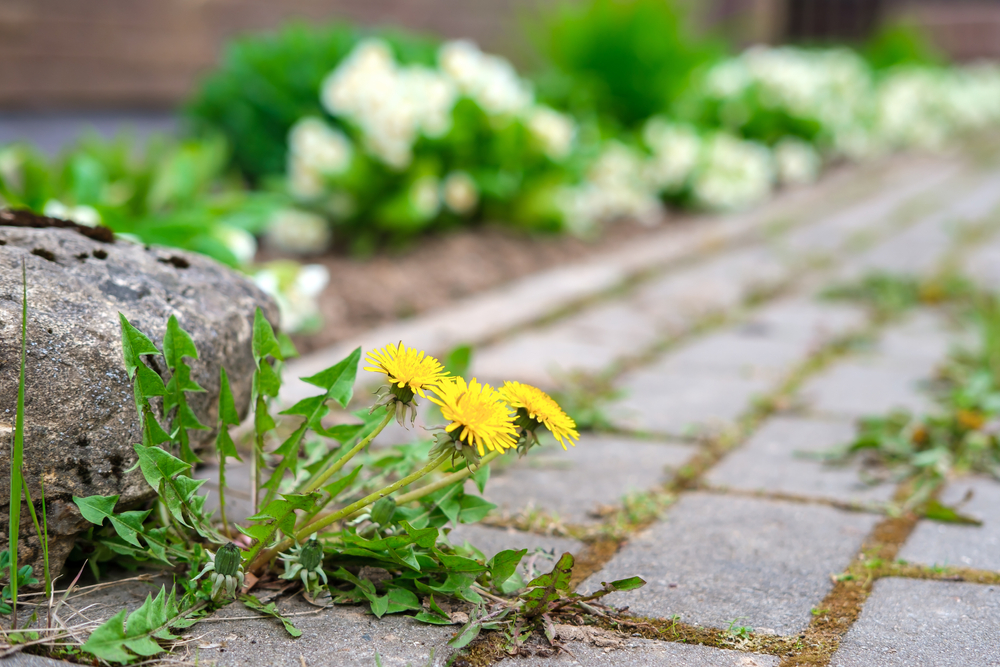
The battle against weeds just got a plot twist. That stubborn patch of green pushing through cracks in the sidewalk or crowding a garden bed might not be a nuisance at all—it could be lunch. Not just any lunch either, but a nutrient-packed, vitamin-loaded, completely free salad hiding in plain sight. The idea sounds almost too good to be true, yet it holds up under real scrutiny. Plenty of common “weeds” deliver serious nutritional value, often rivaling or beating store-bought greens.
Modern grocery aisles sell kale chips and microgreens at premium prices while ignoring the wild buffet growing just outside the door. Nature doesn’t slap price tags on these plants, yet it loads them with vitamins, minerals, and antioxidants. These plants thrive without pampering, without fertilizers, and without anyone fussing over them. That resilience translates into dense nutrition and bold flavors that bring serious personality to a plate. Anyone willing to shift perspective can turn a backyard into a thriving, edible treasure hunt.
Meet the Underdogs: Backyard Plants With Serious Nutrition
Dandelion refuses to stay confined to childhood wishes and instead earns a spot as a nutritional powerhouse. Its leaves pack high levels of vitamins A, C, and K, along with calcium and iron, which support bone health and immune function. Purslane, often dismissed as a creeping nuisance, delivers omega-3 fatty acids—a rare trait for leafy greens—and contributes to heart health in a big way. Plantain leaves, not to be confused with the banana-like fruit, offer fiber and compounds that support digestion and skin health. Lamb’s quarters, another overlooked gem, contains impressive levels of protein for a leafy plant along with magnesium and potassium.
These plants don’t just match store-bought greens; they often outperform them in nutrient density. Wild plants grow in tougher conditions, which pushes them to produce more protective compounds like antioxidants. That means each bite delivers more nutritional bang compared to cultivated greens bred for mild flavor and uniform appearance. Flavor also plays a role here, since wild greens bring bold, slightly bitter or tangy notes that elevate dishes instead of fading into the background. That intensity signals the presence of beneficial compounds that the body actually needs.
People often assume these plants hold no value because they grow everywhere without effort. That assumption misses the point entirely. Nature doesn’t waste energy producing useless plants, especially ones that thrive across climates and conditions. These so-called weeds survive because they adapt, and that adaptability ties directly to their nutritional strength. Once that realization clicks, the backyard starts to look less like a chore and more like a hidden pantry.

Foraging Without Fear: How to Harvest Safely and Smartly
Jumping into foraging requires a sharp eye and a cautious mindset, not blind enthusiasm. Proper identification sits at the top of the priority list, since some plants resemble edible varieties but carry harmful effects. Field guides, plant identification apps, and local foraging groups offer reliable ways to confirm what grows underfoot. Starting with easily recognizable plants like dandelion or purslane builds confidence and reduces risk. Consistency matters here, because learning plant features like leaf shape, growth patterns, and flower structure creates a solid foundation.
Location plays a huge role in safety as well. Plants growing near busy roads, industrial areas, or treated lawns may absorb pollutants or chemicals that make them unsafe to eat. Clean environments, such as untreated yards or rural areas, provide better harvesting grounds. Washing every harvested plant thoroughly removes dirt and potential contaminants, even from clean locations. Simple habits like using scissors instead of pulling roots also help preserve the plant for future growth.
Moderation adds another layer of smart foraging. Trying small amounts at first allows the body to adjust and helps identify any sensitivities. Mixing wild greens with familiar ingredients creates a balanced introduction instead of overwhelming the palate. Keeping a journal of what gets harvested and how it tastes or feels after eating can sharpen skills quickly. With a little care and attention, foraging transforms into a safe, rewarding habit that reconnects food with its natural origins.
From Yard to Plate: Turning Wild Greens Into Real Meals
Wild greens don’t belong only in survival scenarios; they deserve a place in everyday meals. Dandelion leaves bring a peppery bite to salads, especially when balanced with sweet fruits or a light vinaigrette. Purslane adds a crisp, slightly lemony flavor that works beautifully in tacos, sandwiches, or grain bowls. Plantain leaves soften when cooked and blend well into soups, sautés, or even homemade pesto. Lamb’s quarters can step in for spinach in almost any recipe, from omelets to pasta dishes.
Preparation methods matter, since some wild greens taste bitter when raw but mellow out when cooked. A quick blanch or sauté can transform the flavor profile into something rich and satisfying. Pairing these greens with healthy fats like olive oil or avocado helps the body absorb fat-soluble vitamins more effectively. Adding herbs, spices, or citrus can enhance flavors and create dishes that feel intentional rather than improvised. These combinations elevate wild greens from curiosity to culinary staple.
Experimentation turns this process into something genuinely exciting. Mixing different wild greens creates complex flavors that store-bought mixes rarely achieve. Tossing them into smoothies, baking them into savory muffins, or blending them into sauces opens up endless possibilities. The key lies in treating these plants with the same respect given to any premium ingredient. Once that shift happens, every meal becomes an opportunity to explore flavors that grow freely and abundantly.
Why Eating “Weeds” Actually Makes Sense
Choosing wild greens doesn’t just benefit personal health; it also supports a more sustainable way of eating. These plants grow without irrigation systems, synthetic fertilizers, or long-distance transportation. That means they carry a much smaller environmental footprint compared to many commercial crops. Harvesting them reduces food waste in an unexpected way by using plants that would otherwise get discarded or destroyed. This approach aligns with a growing interest in sustainable living without requiring drastic lifestyle changes.
Economic benefits also come into play. Grocery bills add up quickly, especially when fresh produce takes center stage. Wild greens offer a free alternative that still delivers high nutritional value. That doesn’t mean replacing all store-bought vegetables, but it does create a smart supplement that stretches a food budget further. Anyone looking to cut costs without sacrificing quality can find real value here.
There’s also something deeply satisfying about gathering food directly from the environment. It creates a connection that packaged produce simply can’t replicate. Recognizing edible plants in everyday spaces shifts how the world gets viewed, turning ordinary surroundings into something dynamic and full of potential. That awareness builds confidence and curiosity, two qualities that make healthy eating feel less like a chore and more like an adventure.
The Salad Hiding in Plain Sight
A patch of weeds no longer deserves an automatic side-eye. Those resilient plants represent nutrition, sustainability, and creativity all rolled into one unexpected package. With the right knowledge and a little curiosity, a backyard can transform into a reliable source of fresh, flavorful ingredients that cost nothing and deliver plenty. The shift doesn’t require perfection or expertise right away, just a willingness to look closer and learn something new.
What if that patch holds the start of a meal instead of a problem to solve? What ideas come to mind for turning those wild greens into something delicious? Share your thoughts, favorite finds, or creative recipes in the comments.
You May Also Like…
The Newspaper Layer: How to Kill Weeds Without Spending a Cent on Chemicals
7 Low-Growing Plants That Beat Weeds Without Constant Maintenance
Why Early Spring Weeds Are Spreading Faster Than Most Gardeners Expect
How to Identify Invasive Weeds Early
Unusual Weeds That Often Appear First in Early Spring

Brandon Marcus is a staff writer for FrugalGardening.com at District Media, Inc., where he delivers practical gardening advice with a relatable, no-nonsense style. An avid amateur gardener, he holds a BA degree and with over ten years of professional writing experience, he is also an award-winning published author whose first book, Questions For Deep Thinkers, was released by Adams Media. His work has appeared in major publications including Fandom.com, CHUD.com, TheColdWire.com, and Fansided.com.
Leave a Reply