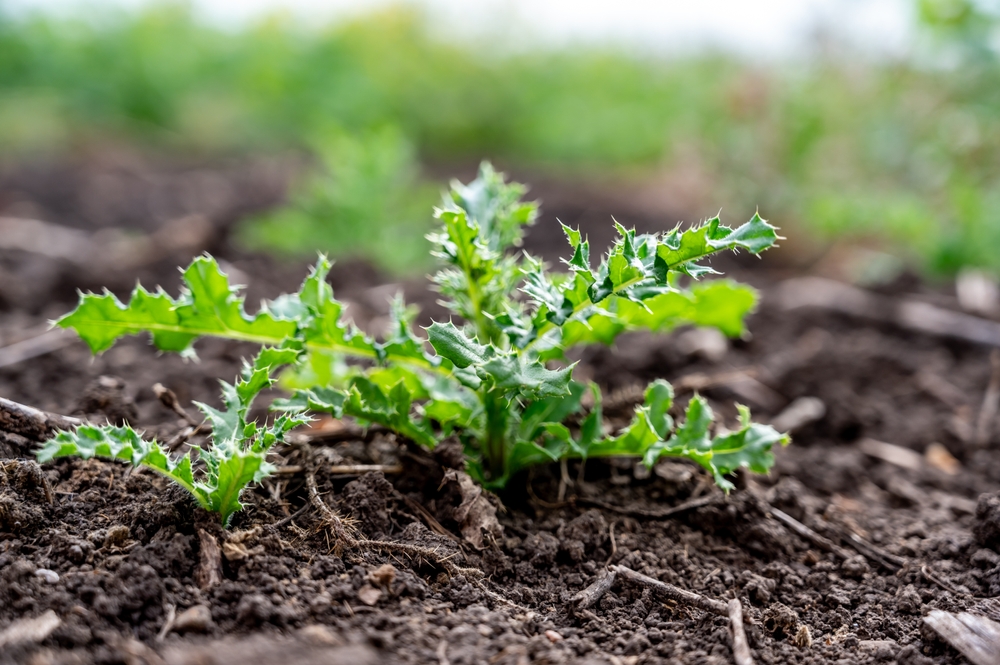
Weeds don’t negotiate. They don’t take breaks, they don’t respect boundaries, and they absolutely don’t care how much effort went into planting a beautiful garden. One minute everything looks tidy and intentional, and the next, unruly green invaders start pushing through like they own the place. The usual response involves pulling, spraying, or endlessly battling them back, but that routine gets old fast. There’s a smarter way to win this fight, and it doesn’t involve spending every weekend hunched over with a trowel.
Low-growing plants step in like a living shield, covering soil so completely that weeds simply can’t find space to grow. These plants don’t just sit there looking pretty, either. They spread, they thicken, and they quietly do the hard work of weed prevention while adding texture, color, and personality to outdoor spaces.
1. Creeping Thyme: The Fragrant Ground Hugger That Means Business
Creeping thyme doesn’t mess around when it comes to covering ground quickly and effectively. This plant forms a dense, mat-like layer that blocks sunlight from reaching weed seeds, which stops them from sprouting in the first place. Tiny leaves release a subtle herbal scent when stepped on, adding an unexpected sensory bonus to pathways and garden edges. During bloom season, small purple or pink flowers show up in clusters and bring pollinators along for the ride. That means this plant doesn’t just fight weeds, it supports a healthier garden ecosystem at the same time.
This plant thrives in full sun and handles poor soil without complaining, which makes it perfect for spots where other plants struggle. Once it settles in, it rarely asks for watering unless conditions get extremely dry, and it doesn’t require trimming to stay in shape. Gardeners often use creeping thyme between stepping stones or along borders where grass refuses to cooperate.
2. Sweet Woodruff: The Shade-Loving Carpet That Plays the Long Game
Sweet woodruff shines in shady areas where weeds usually thrive without competition. This plant spreads through underground runners and creates a lush, green carpet that fills in gaps with impressive speed. Delicate white flowers appear in spring and give the space a soft, almost storybook look that feels intentional and polished. The leaves release a faintly sweet scent when crushed, which adds another layer of charm to this already useful ground cover. It doesn’t try to steal attention, but it quietly transforms dark corners into something worth noticing.
This plant prefers moist, well-drained soil and doesn’t handle full sun particularly well, so placement matters. Once established, it doesn’t demand constant watering, but it appreciates consistent moisture during dry stretches. It pairs beautifully under trees or along shaded pathways where grass refuses to grow evenly.
3. Creeping Jenny: The Golden Spreader That Lights Up the Ground
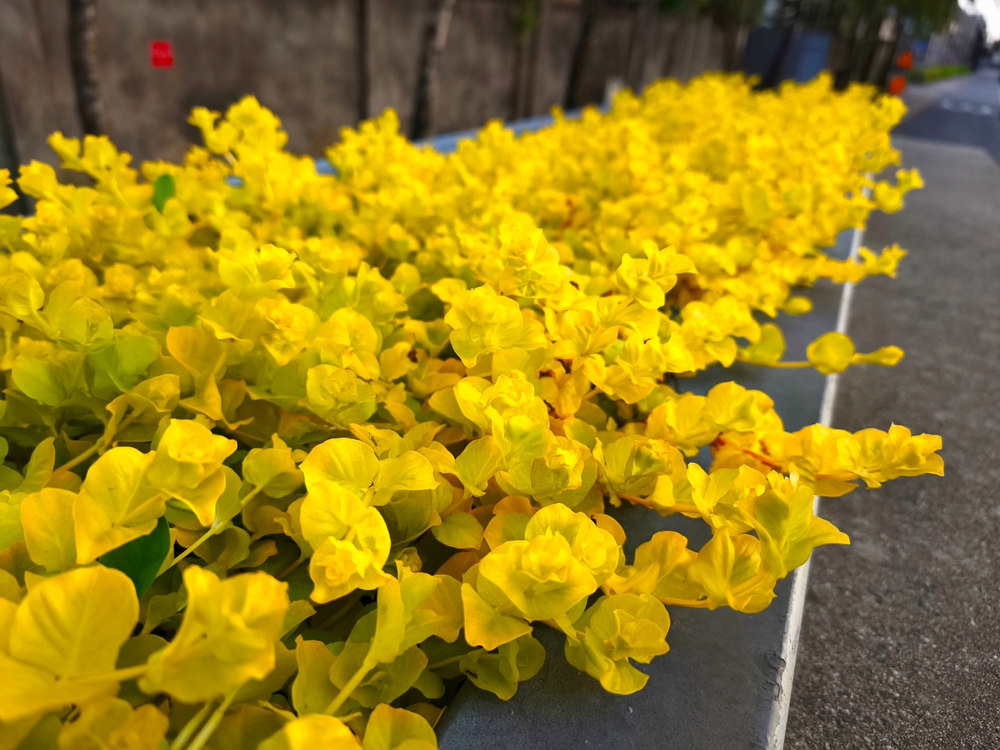
Creeping Jenny refuses to blend into the background. Bright chartreuse leaves spill across the ground like liquid sunlight, instantly lifting the look of any garden bed or border. This plant spreads aggressively, which sounds intimidating at first, but that trait makes it a powerful weed suppressor. It fills every available inch of soil and leaves no room for unwanted plants to sneak in. In the right conditions, it grows quickly and creates a bold, colorful ground layer that stays low and dense.
This plant performs best in partial sun to full sun and adapts well to a variety of soil types, including slightly damp conditions. It works especially well around water features or in areas that hold moisture longer than usual. Regular trimming keeps it from wandering too far beyond its intended space, but it doesn’t require constant attention to stay effective. Gardeners often use creeping Jenny in containers as well, where it spills over edges in a dramatic cascade. When planted directly in the ground, it acts like a living mulch that chokes out weeds and adds vibrant color at the same time.
4. Ajuga: The Tough, Colorful Defender That Doesn’t Back Down
Ajuga, also known as bugleweed, brings serious attitude to the fight against weeds. This plant forms thick clusters of leaves that hug the ground tightly, leaving no open space for weeds to establish themselves. Foliage colors range from deep green to bronze and even purple, which adds visual depth that goes far beyond basic ground cover. In spring, spikes of blue, purple, or pink flowers rise above the leaves and create a striking contrast. It doesn’t just cover ground, it turns it into a feature.
Ajuga thrives in both sun and shade, which makes it one of the most versatile options on this list. It tolerates a wide range of soil conditions and doesn’t require frequent watering once established. This plant spreads through runners, so it fills in empty spaces steadily without becoming unmanageable. Gardeners often use it along slopes or under trees where erosion and weeds both cause problems. A quick thinning every so often keeps it looking fresh, but it generally takes care of itself while keeping weeds firmly under control.
5. Sedum: The Drought-Tolerant Powerhouse That Keeps Things Simple
Sedum doesn’t ask for much, and that’s exactly what makes it so effective. This succulent ground cover thrives in dry, sunny conditions where many other plants struggle to survive. Thick, fleshy leaves store water and allow it to handle heat and drought without breaking a sweat. It spreads slowly but steadily, forming a tight layer that blocks weeds from gaining a foothold. Different varieties offer a range of colors, from soft greens to silvery blues and even hints of red.
This plant works beautifully in rock gardens, along walkways, or in areas with poor soil where traditional grass refuses to grow. Once established, it rarely needs watering, and it doesn’t require fertilizing to stay healthy. Gardeners often mix different sedum varieties together for a textured, layered look that still keeps maintenance low. It doesn’t tolerate soggy soil, so proper drainage makes all the difference. With the right setup, sedum quietly handles weed control while adding a modern, clean aesthetic.
6. Vinca Minor: The Evergreen Classic That Covers Ground Year-Round
Vinca minor brings consistency to the table with its evergreen foliage and steady growth habit. This plant forms a dense mat of glossy leaves that stay vibrant through most seasons, which means weeds don’t get an opening even when other plants go dormant. Periwinkle-blue flowers appear in spring and add a pop of color that feels both classic and fresh. It spreads through trailing stems that root as they go, creating a continuous carpet over time. That growth pattern makes it especially effective in larger areas where weeds tend to take over.
This plant thrives in partial shade but adapts to full sun with enough moisture. It handles a variety of soil conditions and doesn’t demand constant care once established. Gardeners often use it on slopes or under trees where mowing or planting grass feels impractical.
7. Lamb’s Ear: The Soft-Touch Ground Cover That Means Business
Lamb’s ear might look gentle, but it plays a tough game when it comes to weed control. Silvery, velvety leaves spread outward and create a thick layer that blocks sunlight from reaching the soil. That simple move stops many weeds before they even get started. The soft texture adds a unique visual contrast to gardens filled with glossy or rigid foliage. It invites attention while quietly doing its job in the background.
This plant thrives in full sun and prefers well-drained soil, especially in drier conditions. It doesn’t require frequent watering, and it actually performs better when left alone rather than over-cared for. Tall flower spikes appear in summer, but many gardeners trim them back to keep the focus on the foliage. It works well along borders or in open spaces where a low, spreading plant can take over. Once established, lamb’s ear creates a resilient barrier that keeps weeds out while adding a distinctive look.
The Real Secret to Winning the Weed War Without Breaking a Sweat
Weeds don’t stand a chance when the ground already belongs to something stronger, denser, and far more organized. These low-growing plants flip the script by taking up space before weeds even get a shot, which eliminates the need for constant pulling and spraying. Each option brings its own personality, whether that shows up as vibrant color, soft texture, or seasonal blooms that keep things interesting. The real magic happens when these plants settle in and start doing their job without demanding attention every few days.
Which one feels like the perfect fit, and what strategies have worked best for keeping weeds under control? Drop some thoughts, ideas, or even hard-earned lessons in the comments and keep the conversation growing.
You May Also Like…
The Best Low-Cost Garden Tools That Actually Last for Years
March Weeds That Spread Quickly If You Ignore Them
11 Sneaky Weeds That Look Innocent Until They Destroy Your Beds
5 Weeds That Look Harmless but Can Ruin an Entire Garden Bed
Killing Weeds with Diesel? Here’s What You Need to Know First

Brandon Marcus is a staff writer for FrugalGardening.com at District Media, Inc., where he delivers practical gardening advice with a relatable, no-nonsense style. An avid amateur gardener, he holds a BA degree and with over ten years of professional writing experience, he is also an award-winning published author whose first book, Questions For Deep Thinkers, was released by Adams Media. His work has appeared in major publications including Fandom.com, CHUD.com, TheColdWire.com, and Fansided.com.
Leave a Reply