
A garden can appear totally fine and calm on the surface while a quiet invasion brews and builds underground. One tiny weed sprouts, another follows, and suddenly an aggressive plant starts pushing out everything in its path. Invasive weeds don’t politely share space with vegetables, flowers, or shrubs. They compete hard for sunlight, water, and nutrients, and they often win when nobody notices them early.
Quick identification can stop that problem before it turns into a full-scale battle that takes months to fix. Gardeners who learn to recognize the warning signs gain a huge advantage. A little attention early in the season can prevent hours of frustrating work later.
The Speed Test: When Growth Moves Suspiciously Fast
Invasive weeds rarely grow at a polite pace. Many aggressive species shoot upward and outward faster than surrounding plants because evolution wired them to dominate open ground. That rapid growth gives them a competitive edge, especially in gardens where soil stays rich and watered. When one plant suddenly towers over nearby seedlings or spreads across a bed in a matter of days, that plant deserves closer inspection.
Many invasive weeds follow this exact pattern because they prioritize expansion over everything else. Species like Japanese knotweed or kudzu, for example, grow at astonishing speeds under the right conditions. Even smaller invaders often expand outward in dense mats that block sunlight from other plants. Paying attention to growth speed offers one of the easiest early warning signs in the garden.
Gardeners can make a habit of scanning beds every few days during the growing season. A plant that doubles its footprint almost overnight should raise suspicion. Pulling that plant early often prevents hundreds of future seedlings from appearing later in the season.
The Crowd Control Problem: Plants That Refuse to Share
Most healthy plants grow in ways that leave breathing room for neighbors. Invasive weeds follow a completely different strategy because they aim to dominate territory as quickly as possible. These plants often form thick clusters or carpets that squeeze out nearby vegetation. When one species begins to crowd an entire section of the garden, that behavior signals a potential invader.
Ground-spreading weeds such as creeping charlie or bindweed illustrate this problem perfectly. Their stems stretch across the soil surface and root wherever they touch the ground. That habit allows them to multiply rapidly and form dense patches that block other plants from establishing roots. A flower bed can look full and green while those weeds quietly choke out everything else underneath.
Observing plant spacing offers a simple diagnostic tool. If one species begins forming a tight colony while other plants struggle to survive nearby, that plant deserves attention. Removing aggressive spreaders early can restore balance before the entire bed becomes a monoculture of weeds.
The Seed Explosion: When One Plant Becomes Hundreds
Invasive weeds excel at reproduction, and many species produce staggering quantities of seeds. A single plant can release thousands of tiny seeds that ride the wind, hitch rides on clothing, or settle quietly into garden soil. Those seeds often remain viable for years, which means one neglected weed can create long-term headaches.
Dandelions illustrate how effective seed dispersal can become. Their fluffy seed heads float through the air and land almost anywhere with exposed soil. Other weeds rely on sticky seeds that cling to pets, shoes, or gardening gloves. Each method helps the plant spread quickly into new territory.
Gardeners who spot seed heads early can prevent an entire generation of weeds from appearing. Removing flowering weeds before seeds mature dramatically reduces future infestations. A quick check for developing seed heads during routine garden walks can save enormous effort later.
The Root Takeover: Trouble Hidden Underground
Some invasive weeds hide their most aggressive behavior below the soil surface. These plants send out underground stems called rhizomes or stolons that travel horizontally beneath the soil. New shoots then pop up several inches or even several feet away from the original plant. That hidden expansion can fool gardeners into thinking multiple plants appeared randomly.
Plants such as quackgrass and certain thistles rely heavily on underground spreading. A gardener might remove a visible plant only to discover new shoots emerging days later. Those shoots actually connect to the same underground network that continues pushing outward through the soil. Careful digging around suspicious weeds often reveals the truth. Long white roots or branching underground stems usually signal an aggressive spreader. Removing as much of that root system as possible helps stop the invasion before it spreads further across the garden.
The Look-Alike Trap: Why Identification Matters
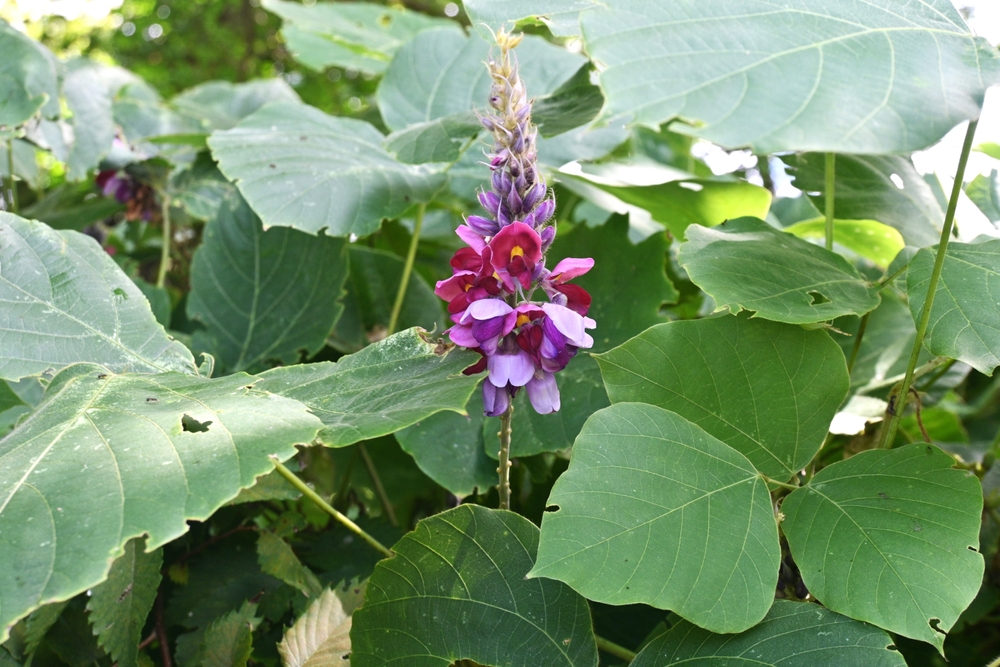
Some invasive weeds disguise themselves by looking surprisingly attractive. A plant may display delicate flowers or interesting foliage while quietly behaving like a garden bully. That charm can delay removal long enough for the plant to establish deep roots and begin spreading aggressively. Garlic mustard offers a perfect example because it produces charming white flowers that appear harmless at first glance. Unfortunately, this plant spreads quickly and releases chemicals that interfere with nearby plants. Once it dominates an area, native plants struggle to compete.
Gardeners benefit from learning a handful of common invasive species that thrive in their region. Local extension offices and plant databases offer excellent identification guides with photos. A quick online search with leaf shape, flower color, and plant size often reveals a match within seconds.
Catching Invaders Before They Win the Garden
Early detection makes all the difference when invasive weeds enter a garden. Fast growth, aggressive spreading, dense crowding, and explosive seed production all signal plants that demand immediate attention. Gardeners who patrol their beds regularly can remove most invaders long before they gain real power. That habit turns weed control into a quick maintenance task instead of a frustrating seasonal battle.
A few minutes of observation every week can protect months of gardening effort. Pulling a suspicious plant early protects soil health and keeps vegetables and flowers thriving without unnecessary competition. Every garden contains a few surprise visitors each season, but early action keeps those visitors from taking over the entire landscape.
Which invasive weed has caused the biggest headache in your garden, and how did you finally get it under control? Share your strategies and observations in the comments.
You May Also Like…
Unusual Weeds That Often Appear First in Early Spring
March Weeds That Spread Quickly If You Ignore Them
10 Winter Weeds That Start Early and How to Stop Them
Here Are The 5 Most Aggressive Weeds During Winter
The Creeping Weed That Spreads Faster Than Crabgrass

Brandon Marcus is a staff writer for FrugalGardening.com at District Media, Inc., where he delivers practical gardening advice with a relatable, no-nonsense style. An avid amateur gardener, he holds a BA degree and with over ten years of professional writing experience, he is also an award-winning published author whose first book, Questions For Deep Thinkers, was released by Adams Media. His work has appeared in major publications including Fandom.com, CHUD.com, TheColdWire.com, and Fansided.com.
Leave a Reply