Spring hits the garden like a burst of caffeine, and suddenly every inch of soil seems to wake up at once. While flowers stretch and vegetables push upward, weeds also seize the moment with impressive speed and stubborn confidence. That rapid green takeover often catches gardeners off guard, especially when a tidy yard transforms into a chaotic patchwork in just a few warm days.
This seasonal surge doesn’t happen by accident, and it certainly doesn’t happen quietly. Soil temperatures rise, moisture levels spike, and dormant seeds finally get their cue to sprout. With the right timing, weeds take full advantage of these conditions and spread before most gardeners even grab their tools.
Why Weeds Suddenly Take Over the Garden
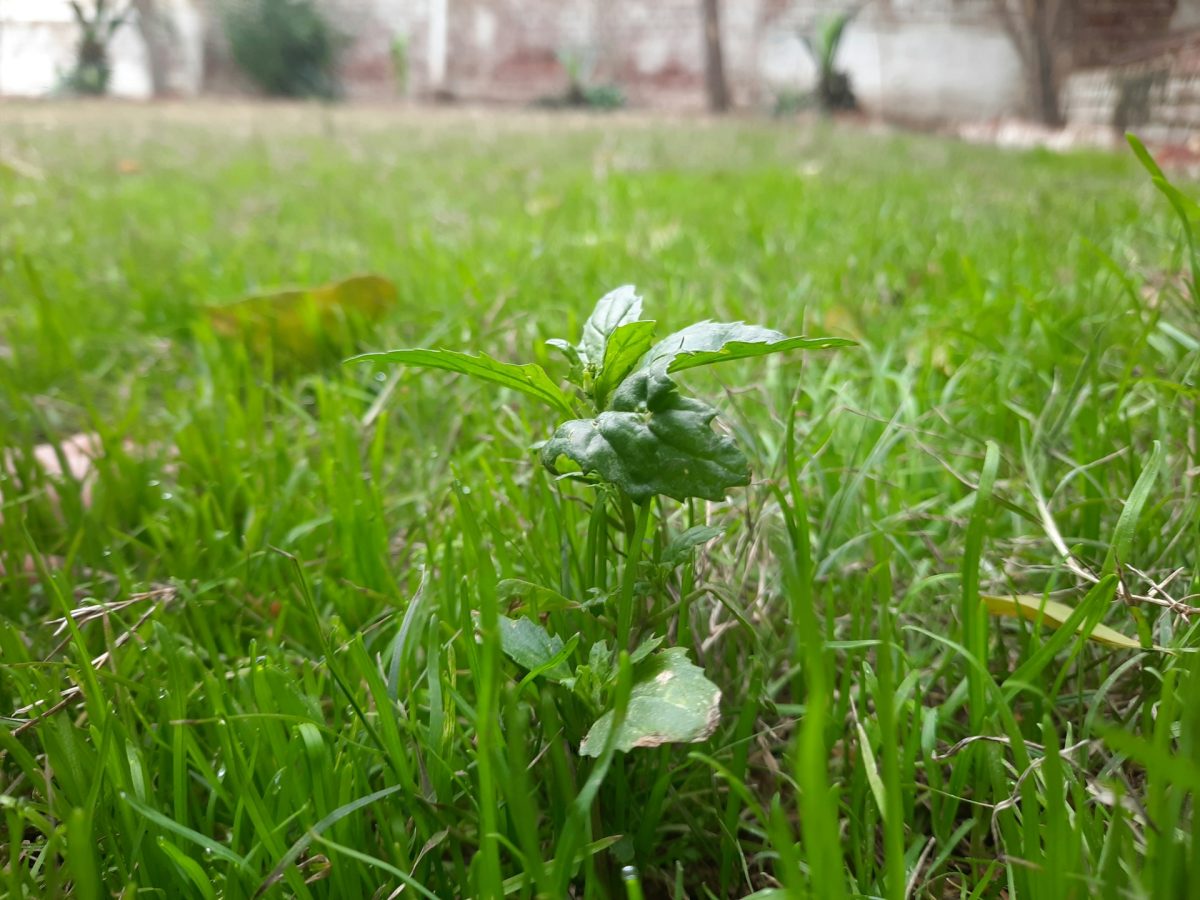
Weeds act like opportunists that wait patiently for the perfect moment to strike, and spring delivers that moment in abundance. Soil warms up just enough to wake dormant seeds buried deep underground, and those seeds respond with explosive growth. Many weed species grow faster than garden plants during early spring because they evolved to dominate open, disturbed soil. That early speed gives them a head start that feels almost unfair in a freshly planted yard. Once they establish roots, they compete aggressively for sunlight, water, and nutrients.
Seed banks in the soil also play a massive role in the sudden surge gardeners notice. Every time wind, birds, or past seasons scatter seeds, the soil builds a hidden reserve of future weeds. The moment conditions turn favorable, thousands of seeds germinate at once and create a thick green wave across garden beds. Even a small patch of bare soil can turn into a dense weed cluster in less than a week. That rapid multiplication explains why staying ahead matters more than trying to catch up later.
Weather, Soil, and the Perfect Storm for Weed Growth
Spring weather creates a near-perfect environment for weeds, especially when rain arrives in frequent bursts. Moist soil softens the ground and allows seeds to sprout quickly without resistance. Warm daytime temperatures paired with cool nights keep conditions stable enough for continuous germination cycles. Weeds thrive in this rhythm because they adapt faster than most cultivated plants in unpredictable conditions. Every rainstorm essentially acts like a starter button for another wave of growth.
Soil disturbance also fuels the problem in ways many gardeners overlook. Digging, tilling, or even walking through wet beds exposes fresh soil and brings buried seeds closer to the surface. Once exposed, those seeds receive light signals that trigger germination almost immediately. Nutrient-rich garden soil often gives weeds an extra advantage since they consume resources aggressively. That combination of moisture, warmth, and disturbance creates a storm that weeds eagerly exploit.
Smart Prevention Tactics That Actually Work
Prevention always beats reaction in gardening, especially when dealing with fast-growing weeds. Mulching stands out as one of the most effective tools because it blocks sunlight and interrupts germination before weeds even begin. Organic mulch like bark, straw, or shredded leaves also improves soil health while suppressing unwanted growth. A thick, even layer makes it harder for weed seeds to reach the surface and establish roots. Consistency matters here, since thin or patchy mulch leaves gaps that weeds quickly exploit.
Pre-emergent strategies also play a key role in long-term weed control. These treatments target weed seeds before they sprout and create visible growth. Timing matters significantly, since early application stops the cycle before it gains momentum. Gardeners who combine mulching with pre-emergent approaches often notice dramatically fewer outbreaks throughout the season. Prevention works best when applied early and maintained with steady attention.
Fast Action Strategies When Weeds Already Show Up
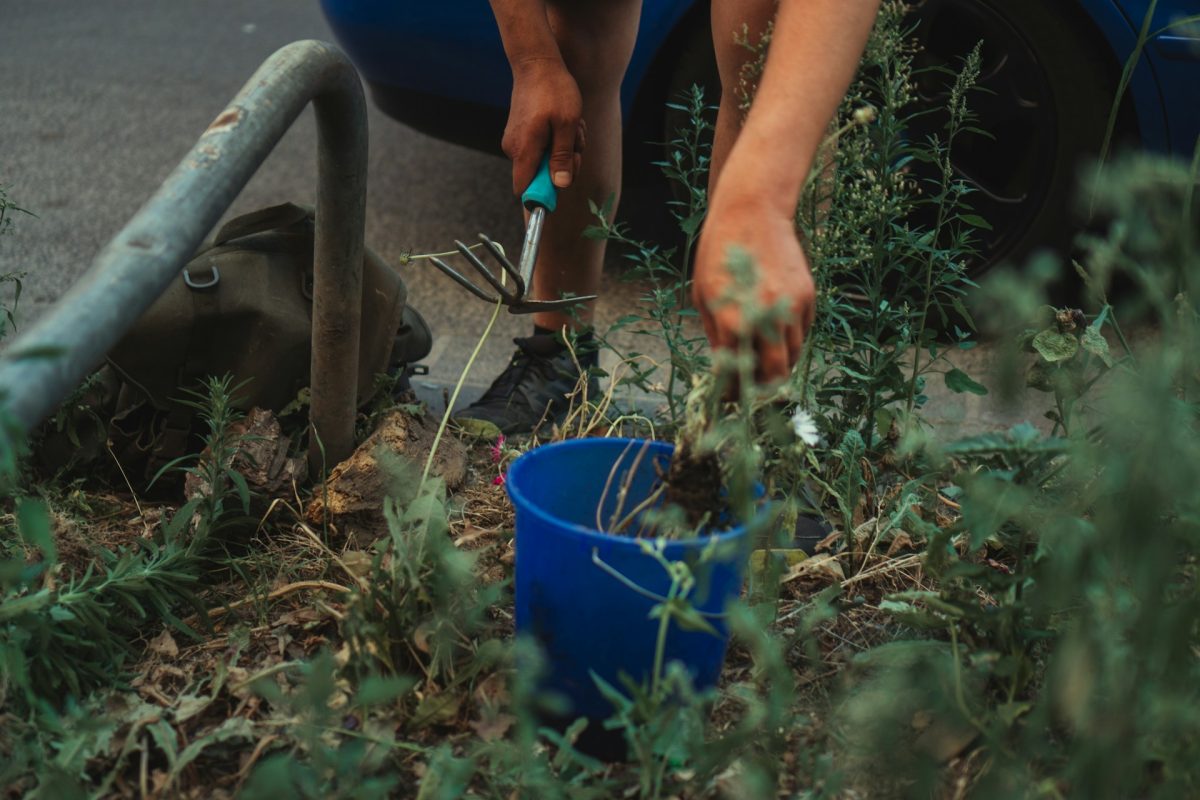
Weeds rarely wait for convenient timing, so quick action prevents small problems from turning into full invasions. Hand-pulling remains one of the most effective methods when done correctly and consistently. Pulling weeds after rain or watering makes roots easier to remove, which reduces regrowth chances. Gardeners who remove weeds at the root level stop them from returning stronger a few days later. Speed matters here, since young weeds pull out far easier than mature, deeply rooted ones.
Targeted spot treatments also help manage larger outbreaks without damaging surrounding plants. Garden-safe solutions or precise cutting tools allow control without disturbing healthy soil structure. Edging garden beds creates a physical barrier that limits weed spread from lawns or nearby areas. Regular monitoring keeps small issues from escalating into widespread infestations. A few minutes of daily attention often saves hours of cleanup later.
Staying Ahead of the Weed Surge
Weed control works best as an ongoing habit rather than a one-time project. Gardens thrive when soil stays covered, monitored, and minimally disturbed throughout the growing season. Consistent mulching, timely removal, and smart planting density all reduce the space weeds need to establish. Gardeners who stay proactive often notice fewer outbreaks and healthier plant growth overall. Long-term success depends on rhythm, not reaction.
Weeds may surge with impressive speed, but they lose their advantage when gardeners respond with steady strategy and timing. Every season brings new growth cycles, yet preparation always shifts the balance in favor of cultivated plants. A well-managed garden doesn’t eliminate weeds entirely, but it keeps them from taking over the story. Strong habits turn chaotic patches into controlled, thriving landscapes that stay resilient through changing conditions.
What’s the most stubborn weed that keeps showing up in your garden, no matter what you try? Share your weed war stories below.
You May Also Like…
The Cardboard Barrier: The Permanent Fix for Weeds That Costs $0
Why Your “Weeds” Are Actually a Free Superfood Salad
The Newspaper Layer: How to Kill Weeds Without Spending a Cent on Chemicals
7 Low-Growing Plants That Beat Weeds Without Constant Maintenance
Why Early Spring Weeds Are Spreading Faster Than Most Gardeners Expect

Brandon Marcus is a staff writer for FrugalGardening.com at District Media, Inc., where he delivers practical gardening advice with a relatable, no-nonsense style. An avid amateur gardener, he holds a BA degree and with over ten years of professional writing experience, he is also an award-winning published author whose first book, Questions For Deep Thinkers, was released by Adams Media. His work has appeared in major publications including Fandom.com, CHUD.com, TheColdWire.com, and Fansided.com.
Leave a Reply