
Weeds don’t deserve the spotlight, yet they show up like they own the place. They push through cracks, take over garden beds, and turn a neat yard into a chaotic mess almost overnight. Store shelves line up endless bottles that promise fast results, but those solutions often come with a price tag and a chemical cocktail that raises eyebrows. There’s a smarter move hiding in plain sight, and it doesn’t come from a garden center. It comes from a stack of old newspapers that most people overlook without a second thought.
This trick doesn’t rely on complicated tools or fancy techniques, and it doesn’t drain a wallet either. It uses a simple idea that flips the script on weeds by cutting off their lifeline. No sunlight means no growth, and no growth means no takeover. The method feels almost too simple at first glance, yet it delivers results that rival more expensive options. Once it clicks, it changes how a yard gets managed and how weeds get handled for good.
Smother, Don’t Fight: Why Newspaper Works So Well
Weeds thrive on sunlight, air, and space, and they fight hard to claim all three. Newspaper cuts off that supply with surprising efficiency, creating a barrier that blocks light while still letting water pass through. That combination matters because it stops weeds without suffocating the soil underneath. Plants that belong in the garden still get moisture, while weeds lose their chance to grow. This method doesn’t rely on poison or harsh treatments, and it keeps the soil ecosystem intact.
The structure of newspaper makes it perfect for this job. Thin layers break down over time, which means the barrier won’t stick around forever in a harmful way. Instead, it slowly decomposes and adds organic matter back into the soil. That process improves soil texture and supports healthy plant growth in the long run. It turns weed control into a bonus soil upgrade, which feels like a win across the board.
Timing plays a big role in how well this method works. Applying newspaper before weeds fully take over makes the process easier and more effective. However, even stubborn patches can get handled with enough coverage and consistency. The key lies in cutting off light completely, because even small gaps can give weeds a chance to push through. A solid layer makes all the difference between success and frustration.
Layer It Like a Pro: The Right Way to Do It
Throwing down a single sheet won’t cut it, and that’s where many people go wrong. A proper newspaper layer needs thickness, usually about six to ten sheets stacked together. That thickness blocks sunlight effectively and prevents weeds from breaking through. Overlapping edges matters just as much, because gaps create weak spots that weeds will exploit quickly. Cover every inch of the target area to build a strong defense.
Water transforms the setup from loose paper into a firm, weed-blocking layer. Once the sheets go down, a good soak helps them stick together and settle into the soil. This step prevents wind from shifting the paper and keeps everything in place. It also jumpstarts the breakdown process, which helps the newspaper integrate into the soil over time. Skipping this step can lead to a messy setup that loses effectiveness quickly.
Adding mulch on top takes the whole system to another level. Wood chips, straw, or grass clippings create a protective layer that holds moisture and keeps the newspaper hidden. This extra layer improves the look of the garden while boosting weed control. It also slows down decomposition just enough to extend the barrier’s lifespan. The result looks clean, natural, and far more polished than bare newspaper alone.
The Hidden Perks That Make This Trick Even Better
Newspaper does more than just stop weeds, and that’s where things get interesting. It helps the soil retain moisture, which reduces the need for frequent watering. That benefit becomes especially valuable during hot weather when plants struggle to stay hydrated. Less watering saves time and effort, which always feels like a bonus in any garden setup. It also creates a more stable environment for plant roots.
This method supports soil health in a way that chemical solutions simply can’t match. As the newspaper breaks down, it feeds the soil with organic material that improves structure and fertility. Earthworms and beneficial microbes thrive in this environment, and they play a key role in keeping the soil alive and productive. That natural cycle strengthens the entire garden without introducing anything harmful.
Cost sits at the center of this approach, and it’s hard to ignore. Old newspapers often sit around unused, and many people can grab them for free. That makes this method one of the most budget-friendly weed control options available. It proves that effective solutions don’t need a high price tag, and it shows how simple materials can deliver powerful results.
When It Doesn’t Work (And How to Fix It Fast)
No method works perfectly in every situation, and newspaper has its limits. Thick, established weeds with deep roots can push through if the layer isn’t strong enough. That scenario calls for extra sheets and careful coverage to block every bit of light. Doubling up in problem areas can make a noticeable difference and prevent regrowth. Consistency becomes the secret weapon in tougher spots.
Rain and wind can also interfere if the setup doesn’t get secured properly. Dry newspaper can shift or tear, which creates openings for weeds to sneak back in. A thorough watering and a solid mulch layer solve this problem quickly. These steps anchor everything in place and protect the barrier from the elements. Skipping them often leads to frustration and extra work later.
Another detail deserves attention: glossy or colored pages. These pages can contain inks or coatings that don’t break down as cleanly as standard black-and-white newsprint. Sticking to plain newspaper keeps the process safe and effective. This small adjustment ensures that the soil stays healthy and free from unwanted residues. Paying attention to these details keeps the method reliable and consistent.
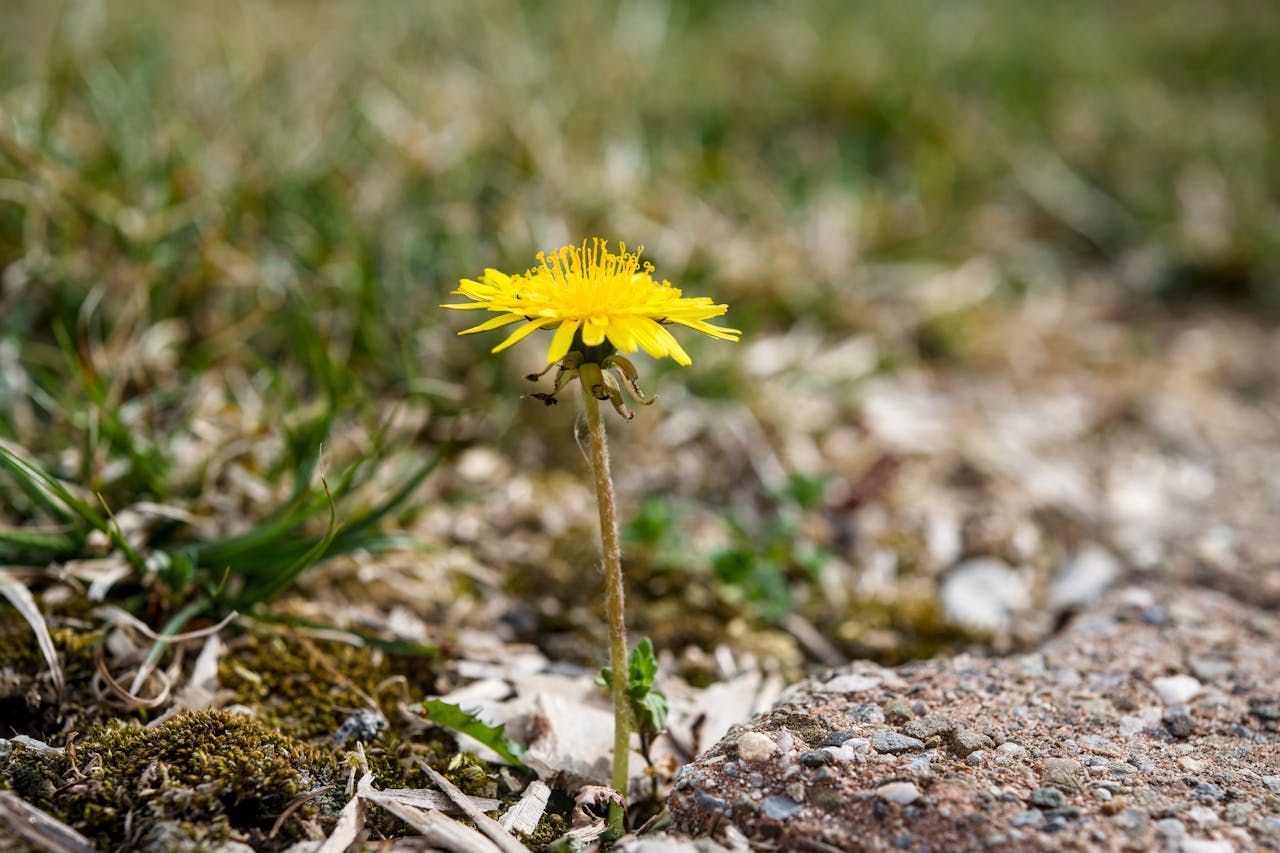
Turn Your Garden Into a Weed-Free Zone Without Breaking the Bank
A garden doesn’t need chemicals or expensive products to stay under control. Newspaper proves that simple, thoughtful methods can outperform more complicated solutions. This approach delivers real results while supporting soil health and cutting costs at the same time. It transforms weed control from a constant battle into a manageable, low-effort routine that actually works.
So what’s the next move? Stick with the usual methods, or give this simple trick a shot and see how it transforms the space? If you have some ideas or insight, we want to hear them in the comments below.
You May Also Like…
7 Low-Growing Plants That Beat Weeds Without Constant Maintenance
Why Early Spring Weeds Are Spreading Faster Than Most Gardeners Expect
How to Identify Invasive Weeds Early
March Weeds That Spread Quickly If You Ignore Them
This Backyard Weed Is Hosting a Virus That’s Killing Tomato Plants

Brandon Marcus is a staff writer for FrugalGardening.com at District Media, Inc., where he delivers practical gardening advice with a relatable, no-nonsense style. An avid amateur gardener, he holds a BA degree and with over ten years of professional writing experience, he is also an award-winning published author whose first book, Questions For Deep Thinkers, was released by Adams Media. His work has appeared in major publications including Fandom.com, CHUD.com, TheColdWire.com, and Fansided.com.
Leave a Reply