Late spring hits that sweet spot where gardens burst into life but busy schedules often pull attention elsewhere. Smart plant choices make all the difference, especially for anyone who wants a thriving yard without spending every weekend digging, pruning, and troubleshooting. The right low-maintenance picks bring bold color, texture, and resilience while shrugging off inconsistent watering and unpredictable weather swings.
Strong performers also help stretch gardening budgets because they require fewer replacements, less fertilizer, and minimal babysitting. This lineup delivers reliable beauty with minimal effort, making it perfect for anyone who wants maximum payoff from a laid-back approach.
1. Lavender Leads the Low-Effort Parade With Fragrance and Toughness
Lavender thrives in late spring heat and adds a calming scent that transforms any outdoor space into a retreat. This plant loves full sun and well-drained soil, which means it actually performs better when gardeners resist the urge to overwater. Tough stems and silvery foliage stand up to dry spells, making lavender ideal for low-maintenance landscapes. Pollinators flock to its blooms, boosting garden health without extra work. A quick trim after flowering keeps it compact and encourages another flush of blooms.
Gardeners often underestimate how versatile lavender can be in both formal and casual designs. It lines walkways beautifully, fills containers with ease, and pairs well with herbs like rosemary and thyme. Once established, lavender demands very little attention beyond occasional pruning. Overwatering causes more harm than neglect, so restraint becomes the secret weapon here. That combination of beauty, resilience, and usefulness makes lavender a standout pick.
2. Daylilies Deliver Reliable Color With Minimal Fuss
Daylilies bring bold, cheerful blooms that pop up just as late spring transitions into early summer. These hardy perennials tolerate a wide range of soil conditions and bounce back quickly even after tough weather. Each bloom lasts only a day, but plants produce multiple buds, creating a steady display of color. Their adaptability makes them perfect for gardeners who want results without constant monitoring. A simple division every few years keeps them thriving and spreading.
Busy homeowners appreciate how daylilies handle neglect better than many fussier flowers. They resist pests, tolerate drought, and rarely demand fertilizer to perform well. Plant them once, and they return year after year with minimal intervention. Their arching foliage also adds texture even when blooms fade. This plant proves that reliability and beauty can absolutely go hand in hand.
3. Hostas Shine in Shady Spaces Without Demanding Attention
Hostas take center stage in areas where sunlight struggles to reach. Their lush, leafy appearance creates a full, layered look that fills empty garden corners quickly. Late spring brings fresh growth that looks vibrant and clean without much effort. These plants tolerate a range of soil conditions as long as moisture stays consistent. Minimal pruning keeps them looking polished throughout the season.
Gardeners often rely on hostas to solve tricky landscape problems in shaded areas. Their wide variety of colors and patterns adds visual interest without requiring constant care. Slugs sometimes nibble on leaves, but simple deterrents handle the issue easily. Once established, hostas expand steadily and crowd out weeds, reducing maintenance even further. That quiet efficiency makes them a go-to solution for low-effort gardening.
4. Coneflowers Attract Pollinators While Standing Strong
Coneflowers burst onto the scene in late spring with bold petals and sturdy stems that resist wind and heat. These native plants thrive in tough conditions, including poor soil and dry spells. Their long bloom time keeps gardens colorful well into summer. Bees and butterflies flock to coneflowers, creating a lively and beneficial environment. Deadheading encourages even more blooms without requiring much effort.
Gardeners appreciate how coneflowers combine durability with ecological value. They support pollinators while asking for very little in return. Their upright growth habit fits neatly into both wildflower gardens and structured beds. Even when blooms fade, seed heads add texture and attract birds. That combination of resilience and wildlife support makes coneflowers a smart pick.
5. Sedum Handles Heat and Drought Like a Champion
Sedum does best when conditions turn hot and dry, making it perfect for late spring planting. Its succulent leaves store water efficiently, reducing the need for frequent watering. Low-growing varieties create a carpet-like effect, while taller types add height and structure. This plant resists pests and diseases with ease. Minimal care keeps it looking fresh and vibrant.
Landscapers often use sedum in rock gardens, borders, and containers because of its adaptability. It performs well in poor soil where other plants struggle. Once established, it practically takes care of itself. Occasional trimming keeps growth tidy and encourages fullness. Sedum proves that tough plants can still deliver visual appeal.
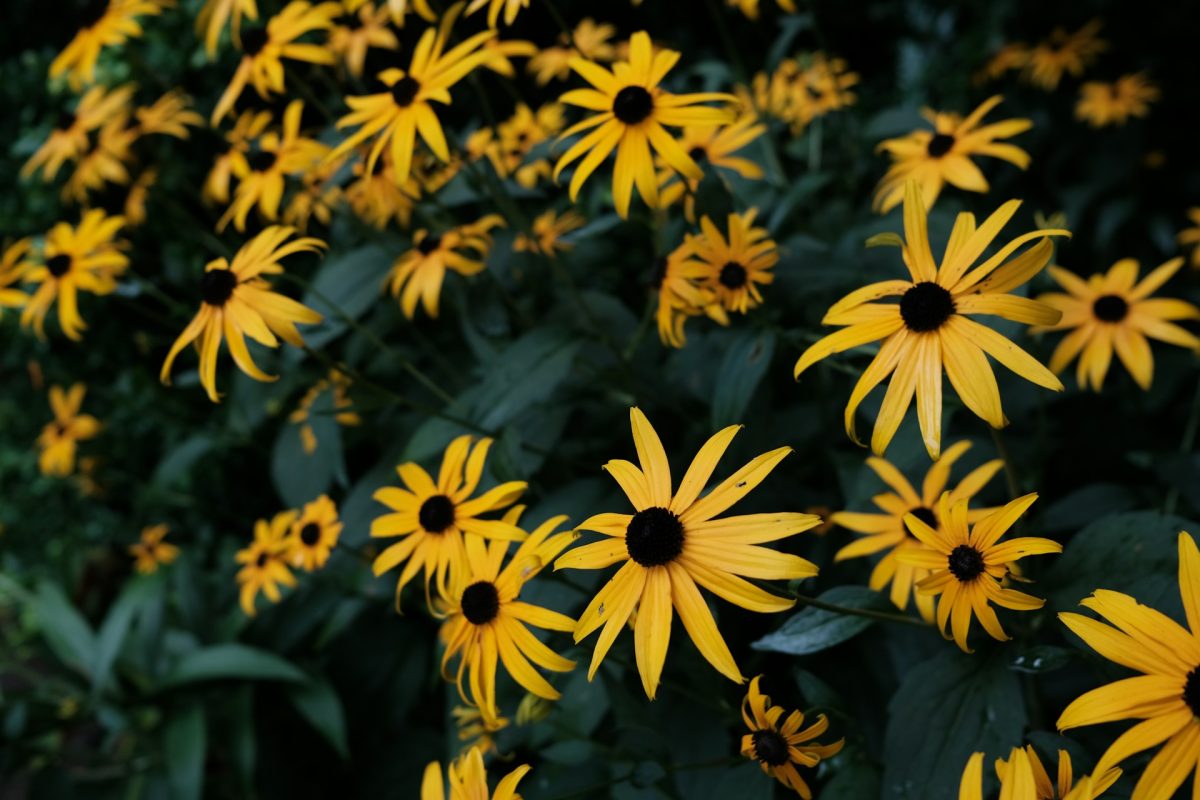
6. Black-Eyed Susans Bring Cheerful Color With Little Effort
Black-eyed Susans light up gardens with bright yellow petals and dark centers. These flowers thrive in full sun and tolerate drought conditions with ease. Their long bloom period stretches from late spring into summer, providing consistent color. Strong stems hold up well against wind and rain. Minimal care keeps them thriving season after season.
Gardeners value black-eyed Susans for their reliability and bold appearance. They reseed naturally, filling in gaps without extra planting. Pollinators visit frequently, adding movement and life to the garden. These flowers also pair beautifully with other low-maintenance plants. Their cheerful presence makes them a staple in easy-care landscapes.
7. Coral Bells Add Colorful Foliage Without High Demands
Coral bells stand out for their striking foliage, which ranges from deep purple to bright lime green. Late spring growth looks especially vibrant and fresh. These plants prefer partial shade but adapt to various conditions. Their delicate flower spikes add an extra layer of interest. Minimal pruning keeps them looking tidy.
Gardeners often use coral bells to add color where flowers alone fall short. Their leaves provide visual impact even when blooms fade. They require consistent watering during establishment but need less attention afterward. Their compact size makes them ideal for borders and containers. This plant offers style without demanding constant care.
8. Marigolds Keep Pests Away While Brightening Beds
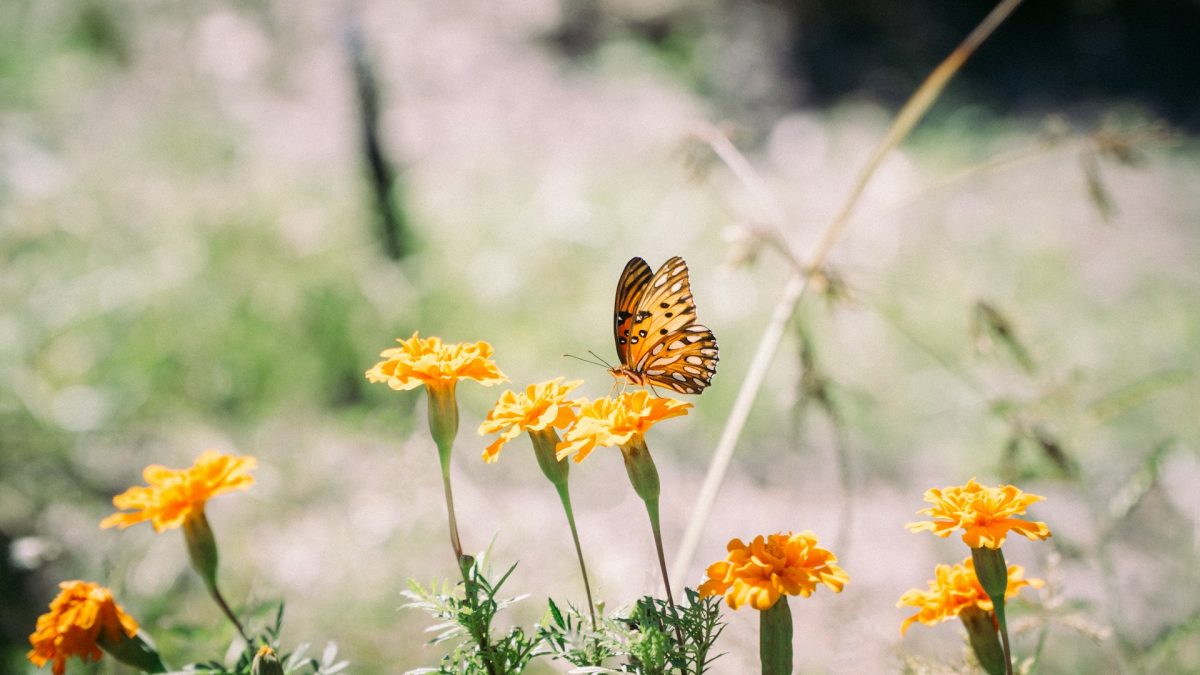
Marigolds bring vibrant orange and yellow blooms that instantly energize any garden. These annuals grow quickly and thrive in full sun. Their natural pest-repelling properties help protect nearby plants. Regular deadheading encourages continuous blooms. Minimal watering keeps them healthy and strong.
Gardeners appreciate marigolds for their dual role as both decorative and functional plants. They fit easily into vegetable gardens, flower beds, and containers. Their resilience makes them ideal for beginners or anyone short on time. Strong growth fills spaces quickly, reducing the need for extra planting. Marigolds deliver both beauty and practicality.
9. Zinnias Offer Fast Growth and Bold Summer Color
Zinnias explode with color in late spring and continue into summer with minimal care. These flowers grow quickly from seed, making them a budget-friendly option. They thrive in full sun and tolerate heat exceptionally well. Regular deadheading keeps blooms coming. Strong stems make them excellent for cutting gardens.
Gardeners love zinnias for their versatility and vibrant appearance. They come in a wide range of colors and sizes, fitting any garden style. Pollinators visit frequently, boosting overall garden health. These plants resist many common pests and diseases. Zinnias prove that fast results do not require constant effort.
10. Herbs Like Thyme and Rosemary Thrive on Neglect
Thyme and rosemary excel in late spring conditions with minimal watering and care. These herbs prefer full sun and well-drained soil, making them ideal for low-maintenance gardens. Their aromatic leaves add both beauty and function. Regular harvesting encourages healthy growth. Minimal fertilization keeps them thriving.
Gardeners benefit from having fresh herbs readily available while enjoying their resilience. These plants resist pests and tolerate drought conditions well. They also pair beautifully with ornamental plants in mixed beds. Their compact growth makes them perfect for containers or small spaces. Herbs deliver value far beyond their low maintenance needs.
Thriving Garden Without the Stress
A successful late spring garden does not require endless hours of work or a perfect green thumb. Smart plant choices create a landscape that practically runs itself while still delivering color, texture, and life. Each of these low-maintenance picks offers a unique benefit, from attracting pollinators to resisting drought and pests. Combining several of these plants builds a balanced, resilient garden that stays attractive with minimal effort. The result feels less like a chore and more like a space to actually enjoy.
Which of these low-maintenance plants will make it into your garden this season? We gave you a few to choose from, so tell us below which one seems the most appealing.
You May Also Like…
5 Plants That Multiply So Fast You’ll Never Need to Buy Them Again
7 Vegetables That Germinate Fast Even in Unpredictable Spring Weather
6 Flower Varieties That Bloom Quickly After Late Spring Planting
Spring Thaw Warning: Why Your Garden Needs These 3 Free Fixes Now
8 Backyard Gardening Mistakes That Quietly Waste Your Money

Brandon Marcus is a staff writer for FrugalGardening.com at District Media, Inc., where he delivers practical gardening advice with a relatable, no-nonsense style. An avid amateur gardener, he holds a BA degree and with over ten years of professional writing experience, he is also an award-winning published author whose first book, Questions For Deep Thinkers, was released by Adams Media. His work has appeared in major publications including Fandom.com, CHUD.com, TheColdWire.com, and Fansided.com.
Leave a Reply