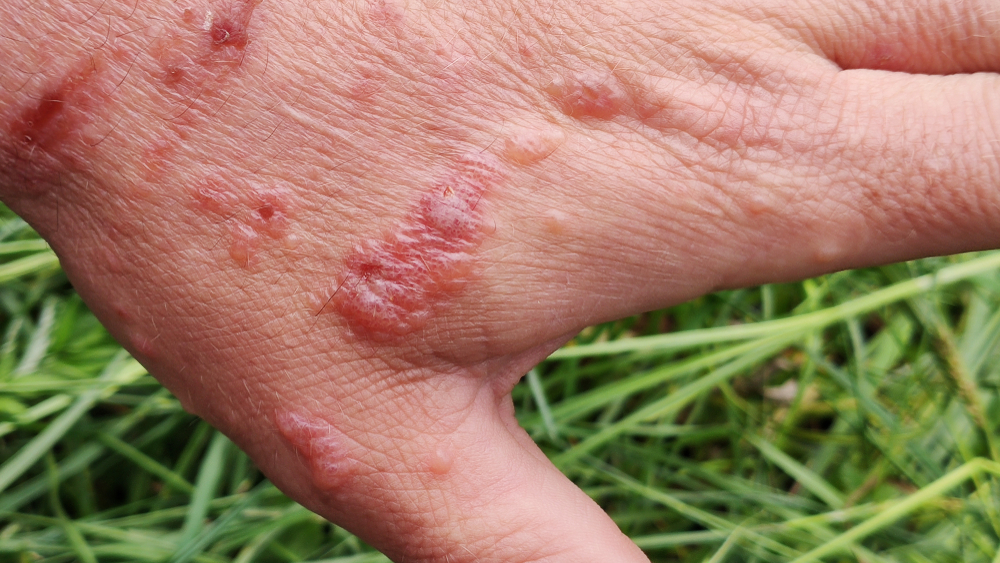
Giant hogweed looks like the sort of enormous, dramatic plant that belongs in a fantasy garden, but getting too close can turn a pleasant walk or weekend yard project into a medical problem. Its clear, watery sap contains compounds that can make skin extremely sensitive to ultraviolet light, leading to painful burns and blisters after sunlight hits the exposed area.
The good news is that giant hogweed has some distinctive features, and recognizing them can keep a curious gardener from making a very unpleasant mistake. The even better news is simple: nobody needs to grab, cut, pull, mow, or collect a suspicious giant plant just to figure out what it is.
The Plant That Looks Impressive for All the Wrong Reasons
Giant hogweed, Heracleum mantegazzianum, belongs to the carrot and parsley family, which explains why it can look deceptively familiar beside other large umbrella-shaped plants. A mature plant can reach roughly 4.5 metres tall, with a thick, hollow stem marked by reddish-purple blotches and covered with coarse, whisker-like hairs. Its huge leaves can reach about 1 metre across, while its white flower clusters form broad umbrellas that can measure more than half a metre across.
That size provides one of the easiest clues, especially when the plant towers over nearby vegetation like it owns the place. However, size alone cannot confirm an identification because native cow parsnip and wild parsnip can create similar visual confusion and can also cause skin reactions. Giant hogweed often appears along moist areas, roadsides, ditches, streams, meadows, and other open places, so a suspicious plant deserves distance rather than a closer inspection with bare hands.
The Real Trouble Comes From the Sap
Giant hogweed does not burn skin simply because someone brushes past a leaf and immediately feels a sting. Its sap can trigger phytophotodermatitis, a reaction in which chemicals in the plant make the skin unusually sensitive to ultraviolet light, so sunlight can cause a serious reaction after contact. Symptoms can develop within about 24 to 48 hours and may include redness, swelling, painful blisters, and severe burns.
That delayed reaction creates a particularly sneaky hazard because the skin may look fine immediately after contact. A person might wipe off the sap, finish the yard work, and spend the afternoon in bright sunshine before realizing anything went wrong. The safest move after suspected contact involves washing the skin promptly with soap and cool water, keeping the area completely out of sunlight, and seeking medical attention if a significant reaction develops.
What to Do If Giant Hogweed Shows Up
A suspicious giant hogweed plant calls for caution, not a heroic battle with pruning shears. Do not touch it with bare skin, and do not use a mower, trimmer, or other power tool around it because damaging the plant can release sap. People who need to work near confirmed plants should use appropriate protective clothing, gloves, boots, and eye protection, then clean equipment and clothing carefully after the job.
If sap reaches the eyes, immediate flushing with water and prompt medical attention matter because eye exposure can cause serious injury. For skin exposure, cover the area and keep it away from sunlight after washing, even if the skin looks perfectly normal at first. Gardeners should also avoid cutting stems for identification or carrying plant pieces around, since a photograph from a safe distance can provide a much better starting point for identification and reporting.
Don’t Turn Plant Identification Into a Hands-On Experiment
Giant hogweed deserves respect, but it does not require panic every time a tall plant appears beside a ditch or fence. The smartest approach involves learning the key clues, keeping skin away from the sap, and reporting a suspected plant through the appropriate local invasive-species program rather than experimenting with removal. In Ontario, for example, officials specifically ask people to report suspected giant hogweed and not collect plant parts for identification.
For gardeners, the biggest lesson involves resisting the classic impulse to investigate an unfamiliar plant by grabbing it. A towering stem with purple blotches, coarse hairs, huge divided leaves, and broad white flower clusters should trigger caution, especially when it grows near damp ground or waterways. A little distance can prevent a painful surprise, and in the world of gardening, that counts as a very good bargain.
The next time an enormous white-flowered plant catches attention, give it a visual once-over from a safe distance and let the suspicious specimen keep its personal space. Knowing what to look for can help prevent an avoidable exposure while also giving local authorities useful information about a potentially invasive plant. The best gardening tool for this particular job might just be a camera held from several steps away.
Has a giant hogweed or another potentially harmful plant ever appeared in your yard or on a favorite walking route?
You May Also Like…
Make the Switch to Microclover Lawns: Clover Mixes Feed Themselves, Suppress Weeds and Stay Green
The Gardening Habit That Can Reduce Weeds Naturally
Is It Safe to Compost Plants With Powdery Mildew?
6 Garden Tasks That Are Safer to Skip During Peak Afternoon Heat
What Is the Safest Way to Handle Slugs Without Harsh Chemicals?

Brandon Marcus is a staff writer for FrugalGardening.com at District Media, Inc., where he delivers practical gardening advice with a relatable, no-nonsense style. An avid amateur gardener, he holds a BA degree and with over ten years of professional writing experience, he is also an award-winning published author whose first book, Questions For Deep Thinkers, was released by Adams Media. His work has appeared in major publications including Fandom.com, CHUD.com, TheColdWire.com, and Fansided.com.
Leave a Reply