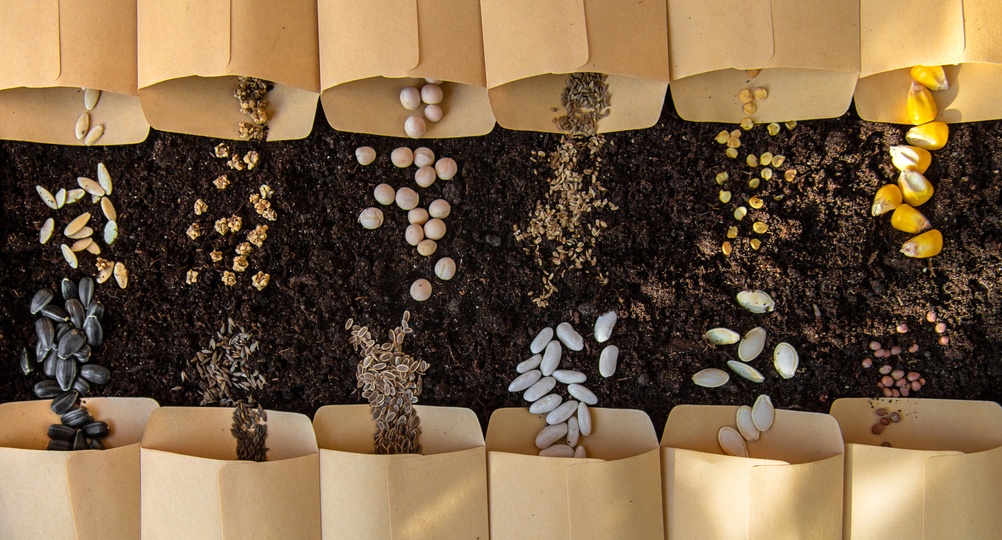
A packet of seeds can look like a tiny promise in an envelope, especially when the listing shows a rose with rainbow petals, a sunflower shaped like a teddy bear, or a flower that appears to glow from the inside. The problem starts when that gorgeous picture has more to do with artificial intelligence than botany, because scammers now use convincing images to sell seeds for plants that do not exist. Recent reports have documented questionable seed listings across major online marketplaces, including Amazon, eBay, and Etsy.
That creates a particularly sneaky problem for gardeners because seeds require patience before they reveal the truth. A questionable gadget might fail on day one, but a mystery packet can sit in soil for weeks before the disappointment finally sprouts. A few simple checks can help separate an exciting new plant from an expensive packet of botanical nonsense.
1. The Flower Looks Too Fantastic to Be Real
Start with the photograph, because the picture often provides the loudest warning. Flowers with impossible color combinations, perfectly blended rainbow petals, animal-shaped blooms, glowing foliage, or wildly unusual structures deserve serious skepticism. AI tools can now create photorealistic images of fictional plants quickly and cheaply, which gives dishonest sellers an easy way to make fantasy flowers look convincing.
That does not mean every unusual flower represents a scam, because plant breeders regularly introduce genuinely strange and beautiful cultivars. The key difference lies in whether the plant has a recognizable botanical identity and credible information behind it. Before buying, search the plant name separately and compare photographs from established nurseries, botanical gardens, universities, or reputable seed companies.
2. The Listing Won’t Give a Proper Botanical Name
A legitimate seed listing should provide enough information to identify exactly what the packet contains. Look for the plant’s genus, species, and, when applicable, cultivar name rather than a vague sales name such as “rare rainbow flower” or “magical giant bloom.” Reputable sellers generally provide specific growing information because gardeners need to know what they are actually planting.
A flashy nickname cannot replace a botanical identity. If a listing spends several paragraphs describing how spectacular the flower looks but cannot tell you the scientific name, consider that a major warning sign. Search the advertised name outside the marketplace, too, because a genuine cultivar should leave some sort of trail beyond one mysterious seller’s storefront.
3. The Price Looks Ridiculously Good
An unusually low price can make a rare seed listing feel like a lucky find. That bargain deserves a closer look, particularly when the seller claims to offer an exotic, highly unusual, or supposedly nonexistent variety. Recent reporting found questionable listings for fantasy flowers at surprisingly low prices, a strategy that can make an impulse purchase feel harmless.
Price alone does not prove fraud, because sellers can discount seeds for perfectly legitimate reasons. The warning appears when a rock-bottom price combines with an unbelievable photograph, vague plant information, and a seller with little credible history. Compare the same cultivar at established seed companies before reaching for the checkout button, and remember that a cheap packet can become an expensive lesson once weeks of growing time disappear.
4. The Seller Has a Strange or Thin Track Record
A marketplace profile can tell a useful story if someone takes a few minutes to read it. Look for a consistent history of selling plants or seeds, detailed customer feedback, and reviews that discuss actual germination, packaging, labeling, and plant results rather than generic comments about fast shipping. Moneywise specifically recommends verifying sellers and checking reviews both on the marketplace and elsewhere online.
Be especially cautious when dozens of listings use similar wording, identical photographs, or oddly generic descriptions. A seller who suddenly offers hundreds of wildly unrelated “rare” plants deserves more scrutiny than a specialist who focuses on a recognizable group of crops or ornamentals. Reviews also deserve a critical eye, because a pile of vague five-star ratings tells far less than detailed comments from gardeners who actually planted the seeds.
5. The Listing Relies Almost Entirely on Gorgeous Pictures
A beautiful photograph should support a seed listing, not carry the entire sales pitch. When every image looks impossibly perfect but the description contains almost no information about germination, growing conditions, mature size, bloom time, or plant identity, the listing starts to look more like advertising for a picture than a product. AI-generated imagery makes that tactic particularly easy because sellers can create multiple versions of fantastical plants without photographing a single real specimen.
Try a reverse image search when something feels suspicious. If the same flower appears under several unrelated plant names or turns up on sites discussing AI-generated imagery, close the listing and keep shopping. A legitimate seller should have more to offer than a digital beauty contest, especially when the product requires weeks or months of growing before anyone can verify the claim.
6. The Description Makes Big Promises but Gives Few Growing Details
Seeds need details, and vague descriptions conveniently avoid details that could expose a bogus listing. A credible product page should give useful information about the plant, including its identity and relevant growing requirements, rather than relying on phrases such as “ultra rare,” “never seen before,” or “guaranteed giant blooms.” Legitimate new varieties can exist, but their novelty does not eliminate the need for accurate botanical information.
Pay attention to contradictions, too. A listing that promises a tropical plant will grow anywhere, produces extraordinary flowers almost immediately, and requires virtually no care should trigger a raised eyebrow. Gardeners know that plants have preferences, limitations, seasons, and growing requirements, and a seller who ignores those realities may simply hope excitement will outrun skepticism.
7. The Seeds Arrive Unlabeled, Wrong, or Completely Different
Sometimes the biggest red flag appears after the purchase, when the packet arrives and nothing matches the listing. A packet containing unidentified seeds, a different seed type, or no useful labeling should not go straight into the garden simply because curiosity is winning the argument. Unknown seeds can introduce unwanted plants or plant pests, and authorities have warned against planting unsolicited seeds from unknown sources.
Keep the packaging and document what arrived, especially if the seller sent something different from the advertised product. Contact the marketplace through its official dispute process rather than waiting until the growing season passes and the evidence becomes harder to evaluate. If someone receives seeds they never ordered, the Canadian Food Inspection Agency advises keeping them contained and disposing of them rather than planting, composting, or flushing them.
A Little Skepticism Can Save an Entire Growing Season
Online seed shopping does not need to become a detective novel, but it does reward a few minutes of curiosity before clicking “buy.” Check the photograph, botanical name, price, seller history, reviews, growing information, and final product carefully, especially when a listing promises a plant that looks like something from a fantasy garden. AI-generated images have made fake plants much easier to advertise, while the delayed nature of seed growing gives dishonest sellers an unusual advantage.
The safest approach combines excitement with a healthy dose of skepticism. If a flower looks spectacular, search for evidence that the cultivar actually exists before buying the seeds, and compare the listing with reputable seed companies and horticultural sources. A packet of genuine seeds can start an entire season of gardening fun, while a packet of mystery seeds can deliver nothing but wasted money, wasted time, and one very confused patch of soil.
Would you buy an unusual seed listing online if the flowers looked incredible, or would a missing botanical name send you running for the exit?
You May Also Like…
Can You Use Old Window Screens to Dry Garden Seeds?
Those Beautiful Seeds You Found Online May Be Fake — Here’s How to Tell
The Potting Mix Scams: Don’t Fall for These 3 Expensive Marketing Tricks
9 Low-Cost Grow Light Picks That Don’t Feel Like a Scam
Is Starting a Small Garden Cheaper Than You Think?

Brandon Marcus is a staff writer for FrugalGardening.com at District Media, Inc., where he delivers practical gardening advice with a relatable, no-nonsense style. An avid amateur gardener, he holds a BA degree and with over ten years of professional writing experience, he is also an award-winning published author whose first book, Questions For Deep Thinkers, was released by Adams Media. His work has appeared in major publications including Fandom.com, CHUD.com, TheColdWire.com, and Fansided.com.
Leave a Reply