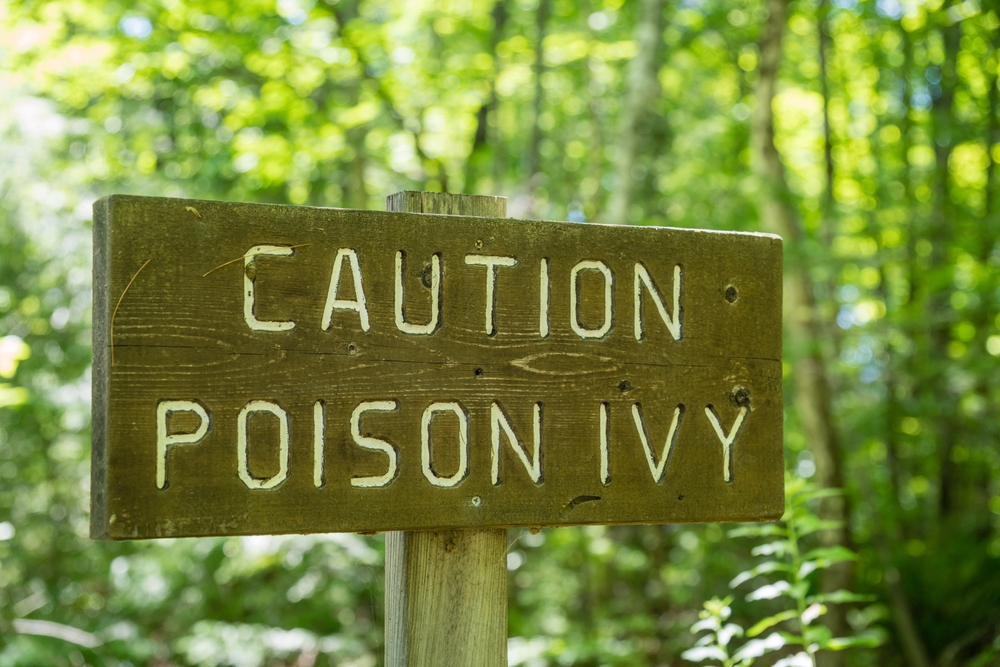
Poison ivy gets the celebrity treatment when it comes to plants gardeners should avoid, and for good reason. Its three leaflets have inspired generations of cautious yard work, but several other plants can cause much more serious problems, from painful skin burns to severe poisoning if someone mistakes them for an ordinary weed.
That does not mean every unfamiliar plant deserves a dramatic exit from the garden. It does mean gardeners need a better safety radar, especially when clearing brush, reclaiming an overgrown corner, or pulling weeds along a fence line. A plant can look perfectly innocent while hiding sap, leaves, roots, or seeds that deserve a very wide berth.
Poison Ivy Still Deserves Its Reputation
Poison ivy remains one of the most important plants to recognize because urushiol, the oily resin that causes its rash, occurs throughout the plant. The familiar three-leaflet pattern helps with identification, but gardeners should not rely on leaf shape alone because poison ivy can grow as a low plant or climb trees and other surfaces as a vine. Its leaves can also change from reddish in spring to green during summer and shades of yellow, orange, or red in fall.
The tricky part comes after the gardening gloves come off, because urushiol can cling to clothing, tools, and pet fur. A gardener can therefore pick up the plant, touch a contaminated shovel later, and still encounter the troublesome resin without touching the original vine again. Washing exposed skin promptly with soap and cool water can help remove the oil, while gardeners should never burn poison ivy because its smoke can carry the irritant into the lungs.
Giant Hogweed Is a Much Bigger Problem
Giant hogweed looks like the sort of enormous plant that wandered out of a fantasy novel, but its impressive size creates a very real hazard. It can reach roughly 15 to 20 feet tall, develops enormous deeply cut leaves, and produces large umbrella-shaped clusters of white flowers. Its hollow stems can show purple mottling and bristly hairs, which provide useful clues when gardeners encounter a suspicious plant.
The real concern comes from the sap, which can cause severe skin reactions when sunlight hits exposed skin. The reaction can produce painful burns and blistering, while contact with the eyes can cause serious injury and potentially temporary or permanent vision problems. Gardeners should not grab a mystery giant plant simply because it resembles an oversized Queen Anne’s lace, and a suspected giant hogweed plant deserves professional identification before anyone starts swinging a shovel.
Wild Parsnip Can Turn Weeding Into a Sunburn Nightmare
Wild parsnip creates another identification trap because its yellow, umbrella-shaped flowers can look deceptively familiar. The plant can reach several feet tall and typically carries coarse leaves and a grooved stem, making it worth examining carefully before anyone reaches down to yank it. Unlike poison ivy, wild parsnip does not rely on an oily resin to cause trouble, because chemicals in its sap can make skin extremely sensitive to ultraviolet light.
That detail matters during ordinary yard work because the reaction can become much worse after sunlight hits the exposed skin. A gardener who notices sap on the skin should wash the area promptly and keep it protected from sunlight, rather than assuming a little plant juice cannot cause much trouble. Protective clothing, gloves, and careful identification make much more sense than discovering the plant’s chemistry the hard way while wearing shorts and gardening sandals.
Poison Hemlock Looks Almost Too Ordinary
Poison hemlock creates a different kind of concern because its appearance can fool people who associate danger with thorns, strange colors, or dramatic flowers. The plant can grow into a tall stalk with finely divided, fern-like leaves and small white flowers arranged in umbrella-shaped clusters. Look closely at the stem, because smooth green stems with purple spots or blotches provide one important clue, although gardeners should never identify a potentially toxic plant from one feature alone.
Every part of poison hemlock contains potent toxins, and ingestion can cause severe neurological symptoms, respiratory failure, coma, and death. The plant also has a root that can resemble a small white carrot or parsnip, which makes casual experimentation especially dangerous around children, pets, and anyone who enjoys foraging. Gardeners who suspect poison hemlock should avoid handling it casually, keep people and animals away, and consider professional removal rather than treating it like an ordinary garden weed.
The Best Garden Tool Might Be a Better Identification Habit
The smartest response to an unfamiliar plant does not involve grabbing it first and searching for its name afterward. Stop, look at the whole plant, photograph the leaves and stem without touching them, and check several identifying features before deciding what you have. Pay particular attention to plants with umbrella-shaped flower clusters, unusual stem markings, unusually large leaves, or sap that could contact bare skin. Those clues can separate an ordinary volunteer from a plant that deserves a much more cautious approach.
Good protective habits also make garden cleanup considerably less dramatic. Gloves, long sleeves, sturdy footwear, and eye protection make sense when clearing dense vegetation, while gardeners should wash tools and clothing after suspected contact with irritating or toxic plants. Most importantly, never burn unknown vegetation, never eat an unidentified plant, and never assume a dead plant has lost its ability to cause harm. Poison ivy may have the catchiest warning phrase in the gardening world, but it certainly does not hold a monopoly on plants that demand respect.
A Familiar Face Is Not Always a Safe One
Garden safety starts before the weed puller touches the soil, because accurate identification can prevent an unpleasant surprise before it begins. Poison ivy, giant hogweed, wild parsnip, and poison hemlock create very different hazards, so gardeners need to recognize more than one visual warning sign. A quick pause can protect skin, eyes, pets, and even an entire afternoon of yard work from going sideways. The goal is not to fear every wild plant that pops up between the tomatoes and the fence. The goal is to know which plants deserve a closer look from a safe distance and which ones deserve a professional with the right equipment.
Which plant has surprised you most while working in the garden, and what did you learn from the experience?
You May Also Like…
Pet Poison Helplines Issue Alert About a Popular Houseplant Mix
Why Overwatering Is More Dangerous Than Underwatering
9 Natural Ways to Deter Snails Without Harming Pets or Pollinators
Fire Officials Say This Garden Tool Storage Mistake Is Causing Dangerous Shed Fires
Do You Know Which Plants Are Secretly Poisonous in Your Backyard?

Brandon Marcus is a staff writer for FrugalGardening.com at District Media, Inc., where he delivers practical gardening advice with a relatable, no-nonsense style. An avid amateur gardener, he holds a BA degree and with over ten years of professional writing experience, he is also an award-winning published author whose first book, Questions For Deep Thinkers, was released by Adams Media. His work has appeared in major publications including Fandom.com, CHUD.com, TheColdWire.com, and Fansided.com.
Leave a Reply