You’ve probably seen the videos: Someone pours kitchen scraps into a flowerpot, sprays weeds with a homemade mixture, or buries a banana peel beside a struggling tomato plant, promising spectacular results. The ingredients are cheap, the instructions take seconds, and the before-and-after photos make everything look incredibly easy. But what happens when those supposedly brilliant tricks damage your plants instead?
Viral gardening hacks have become popular because they promise healthier gardens without expensive fertilizers, pesticides, or professional equipment. Unfortunately, some shortcuts ignore basic plant biology, soil chemistry, and the potential consequences of adding household products to your garden.
University extension specialists regularly caution gardeners against relying on untested remedies, particularly when those remedies involve concentrated household chemicals or questionable fertilizing methods. Before trying another social media gardening trick, consider these five popular ideas that could end up costing you more than they save.
1. Pouring Vinegar and Salt on Weeds Can Damage Your Soil
Homemade weed killers combining vinegar, salt, and dish soap frequently appear in gardening videos as inexpensive alternatives to commercial herbicides. While vinegar can damage exposed plant tissue, it doesn’t reliably kill the roots of established perennial weeds, meaning unwanted plants may eventually return. According to the University of Maryland Extension, household vinegar generally works as a contact herbicide and can also injure desirable plants. Adding salt creates another problem because excessive sodium and chloride can accumulate in soil, making it harder for plants to absorb water and grow normally. Instead of spraying homemade mixtures around valuable landscaping, consider hand-pulling weeds, using mulch, or selecting an appropriately labeled weed-control product.
2. Burying Banana Peels Isn’t an Instant Fertilizer
One of the most recognizable viral gardening hacks involves burying banana peels beneath roses, tomatoes, or houseplants to supposedly deliver an immediate potassium boost. Although banana peels contain nutrients, plants cannot instantly absorb those nutrients simply because a peel has been placed in the soil. Organic materials must decompose before much of their nutrient content becomes available, and the process depends on moisture, temperature, and microbial activity. Buried food scraps may also attract insects or animals, particularly when placed close to the soil surface or inside indoor containers. A better approach is to add banana peels to a properly managed compost pile and use finished compost to improve soil structure and nutrient availability over time.
3. Dumping Coffee Grounds Around Plants Can Backfire
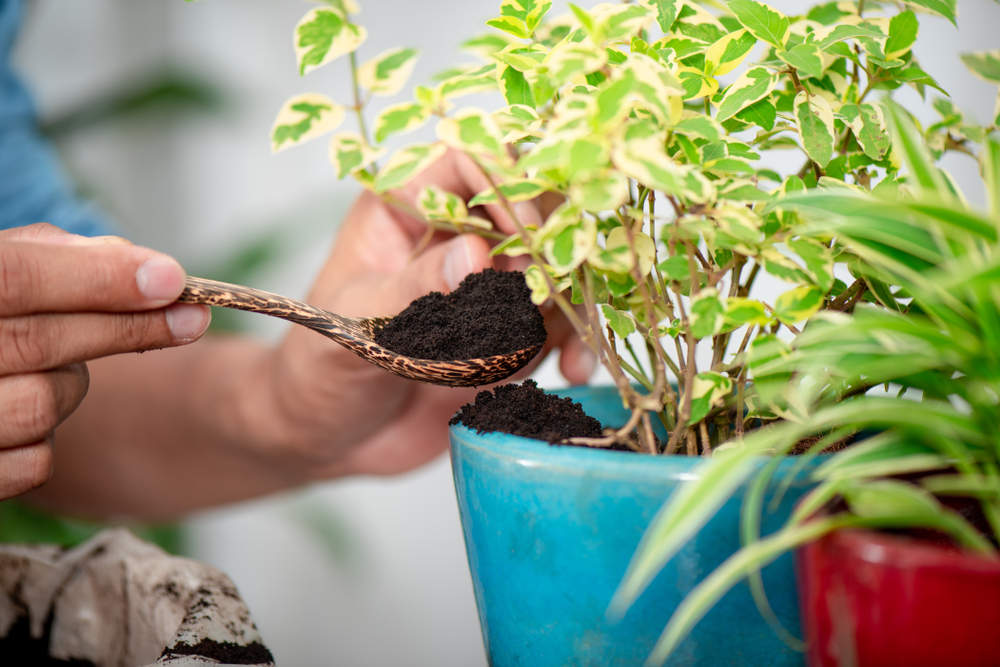
Coffee grounds are often promoted as a miracle soil amendment that supposedly fertilizes plants, repels pests, and makes soil more acidic. However, the University of Maine Cooperative Extension explains that used coffee grounds are generally close to neutral in pH and won’t reliably acidify your garden soil. Applying thick layers can also create a compacted barrier that interferes with water and air movement, according to the University of Connecticut Extension. Gardeners who repeatedly dump coffee grounds around blueberries or azaleas expecting better growth may end up disappointed, particularly if they haven’t tested their soil first. Instead, add moderate amounts of used grounds to your compost pile, where they can break down alongside other organic materials.
4. Spraying Dish Soap on Insects Can Burn Your Plants
Another popular gardening shortcut involves mixing dishwashing liquid with water and spraying it directly onto aphids, mites, or other unwanted insects. While properly formulated insecticidal soaps can control certain soft-bodied pests, ordinary household dish detergents aren’t necessarily safe substitutes. Dishwashing detergents can damage the protective waxy coating on leaves, increasing the risk of plant injury. A gardener trying to eliminate aphids from a prized rosebush could end up with scorched or discolored foliage, particularly when spraying during hot weather. If insect control is necessary, identify the pest first and choose a product specifically labeled for that insect and plant, following the manufacturer’s directions.
5. Using Banana Peel Water as a Miracle Plant Food Can Leave Plants Underfed
Videos promoting banana peel water often claim that soaking peels overnight creates a powerful liquid fertilizer for tomatoes, peppers, and houseplants. The problem is that the resulting liquid doesn’t provide a reliably balanced or measurable supply of essential plant nutrients. There isn’t sufficient research supporting banana peel water as an effective fertilizer, and the nutrients released are unlikely to meet plants’ needs. If gardeners replace appropriate fertilization with this homemade liquid, plants may continue experiencing nutrient deficiencies despite regular applications. A soil test, finished compost, and fertilizer selected according to actual plant requirements provide a more dependable approach than relying on banana-infused water.
Why These Gardening Shortcuts Can Become Expensive Mistakes
The appeal of viral gardening hacks is understandable because most promise impressive results using ingredients already sitting in your kitchen. However, inexpensive ingredients don’t automatically translate into inexpensive gardening when the treatment damages established plants or creates additional problems. Replacing a mature shrub, purchasing new soil amendments, or correcting a damaged planting bed can cost considerably more than buying an appropriate product initially. University extension programs provide research-based gardening recommendations that can help homeowners distinguish effective practices from attractive but misleading social media demonstrations. Before experimenting on an expensive tree, prized perennial, or productive vegetable garden, test questionable ideas against reliable horticultural guidance.
How to Tell Whether a Gardening Hack Is Worth Trying
Not every homemade gardening technique is ineffective, and some inexpensive approaches are supported by decades of horticultural research. Composting kitchen scraps, mulching garden beds, collecting leaves for compost, and removing weeds by hand can all reduce gardening expenses when done correctly. The important distinction is whether a technique has been tested, whether it addresses the actual problem, and whether it introduces unnecessary risks. Check resources from your state’s Cooperative Extension Service, university horticulture departments, or certified Master Gardener programs before applying unfamiliar substances to plants. If a video promises overnight growth, instant pest elimination, or dramatic results without explaining the science, treat those claims with skepticism.
The Cheapest Gardening Hack Is Often the One You Skip
Viral gardening hacks can be entertaining, but following questionable advice may leave you with unhealthy plants, damaged soil, and unexpected replacement costs. Household vinegar, excessive salt, thick coffee-ground layers, homemade detergent sprays, and unbalanced kitchen-scrap fertilizers all have limitations that social media demonstrations may overlook. Rather than trying every new trend, focus on soil testing, proper watering, appropriate fertilization, mulching, and identifying pests before treating them. These proven practices may not generate dramatic before-and-after videos, but they’re more likely to protect your plants and your gardening budget. Sometimes the smartest way to save money in the garden is to leave the latest viral trick on your screen instead of bringing it into your backyard.
Have you ever tried a viral gardening hack that ended up damaging your plants or simply didn’t work? Which popular gardening tricks do you think people should stop recommending? Share your experiences in the comments.
What to Read Next
6 Backyard Improvements That Could Create More Work Than They’re Worth
Bringing Your Houseplants Inside for Winter? Don’t Make This Common Mistake
Before You Accept Free Plants From a Neighbor, Check for This Hidden Garden Pest
Leave a Reply