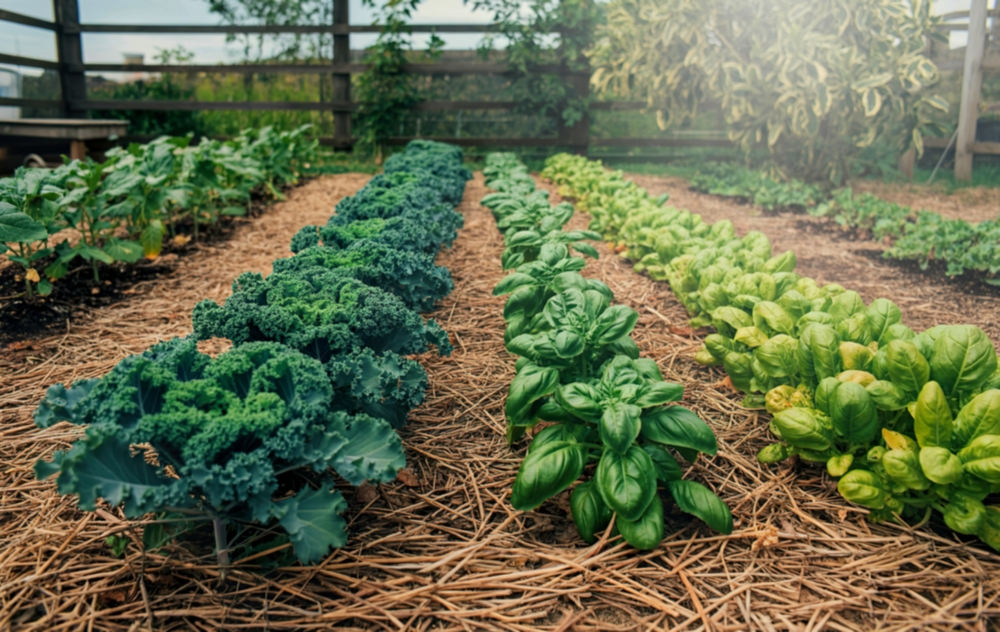
A quiet shift is happening in backyards across neighborhoods, and it looks like a rewind button got pressed straight back to the 1970s. Younger homeowners now turn away from purely decorative lawns and lean into practical, productive garden spaces that actually feed a household. Vegetable beds line fences, compost bins sit proudly in corners, and rain barrels collect stormwater like old-school backyard technology making a comeback.
This movement blends nostalgia with necessity, especially as grocery prices climb and people look for ways to stretch budgets. What once felt “old-fashioned” now feels fresh, intentional, and surprisingly stylish.
Why 1970s Garden Style Suddenly Looks Fresh Again
The 1970s garden style focused heavily on self-sufficiency, and that mindset feels newly relevant in today’s world. Homeowners in that era often grew vegetables in straight rows, kept compost piles active, and reused household materials in the garden. That practical approach did not rely on fancy gadgets or expensive systems, just consistent care and basic tools. Younger gardeners now rediscover that simplicity and appreciate how it reduces both waste and grocery bills. The appeal comes from control, because a backyard food source gives a sense of stability in uncertain times.
This revival also connects to a growing interest in organic growing methods that avoid synthetic chemicals. Many gardeners now want food that feels cleaner and more transparent in how it gets produced. The 1970s style naturally aligns with that goal because it leans on compost, mulch, and natural soil building instead of heavy chemical inputs. Social media also fuels this trend by showcasing lush, slightly wild-looking gardens that feel authentic instead of staged. The result brings back a gardening philosophy that values function just as much as beauty.
The Real Reasons Younger Homeowners Bring It Back
Money plays a big role in this comeback, especially as grocery costs continue to rise across many regions. A backyard vegetable patch can cut weekly produce spending and add a layer of financial flexibility. Even a small space filled with tomatoes, lettuce, and herbs can make a noticeable difference in household budgets. Younger homeowners also enjoy the idea of turning unused yard space into something productive instead of purely decorative. This shift turns gardening into both a hobby and a financial strategy.
Sustainability also drives this movement forward, especially among homeowners who want to reduce environmental impact. Growing food at home reduces packaging waste and transportation emissions tied to store-bought produce. Many people also feel more connected to their food when they grow it themselves, which builds stronger awareness of seasonal eating. The 1970s gardening style fits neatly into this mindset because it naturally avoids overconsumption and encourages reuse. That combination of practicality and environmental awareness makes the trend stick.
How to Build a 1970s-Inspired Backyard Garden Today
A 1970s-inspired garden starts with structure, and straight or gently curved rows make a strong foundation. Raised beds also work well, especially when built from simple wood or repurposed materials that reflect the resourceful spirit of that era. Gardeners often prioritize vegetables like carrots, beans, lettuce, and tomatoes because they grow reliably and produce steady harvests. Companion planting also plays a key role, since mixing compatible plants helps reduce pests without chemical sprays. This layout keeps the garden functional, efficient, and easy to maintain.
Water management also matters, and rain barrels offer a classic solution that fits this retro revival perfectly. Compost systems bring another essential piece, since kitchen scraps turn into nutrient-rich soil over time. Many gardeners also reuse glass jars or old containers for seed starting, which reinforces the do-it-yourself mindset. Even decorative choices lean simple, with wooden signs, gravel paths, and functional fencing replacing elaborate landscaping. The overall result creates a garden that works hard without feeling complicated.
Mistakes That Can Ruin the Retro Garden Vibe
Many gardeners make the mistake of overcrowding plants, which leads to weak growth and lower harvests. The 1970s approach values spacing and airflow, so plants have room to reach their full potential. Soil health also gets overlooked when gardeners skip testing and assume all dirt works the same way. Healthy soil forms the foundation of any productive garden, and compost alone cannot fix every imbalance. Careful preparation prevents disappointment later in the season.
Another common issue involves overcomplicating the design with modern gadgets that clash with the simple, functional aesthetic. While technology can help, too many tools can distract from the hands-on rhythm that defines this style. Pesticide overuse also breaks the natural balance that makes these gardens effective in the first place. Instead, gardeners benefit from natural pest control methods like companion planting and manual removal. Keeping things simple often produces stronger, more reliable harvests.
Why This 1970s Gardening Revival Sticks Around
This gardening trend continues gaining momentum because it offers both emotional and practical rewards. People enjoy stepping outside and seeing visible results from their own effort, especially when those results show up as food on the table. The 1970s approach also encourages patience, since gardens develop gradually and reward consistent care over time. That rhythm feels grounding in a fast-paced digital world. Many homeowners now treat their gardens as a retreat that produces both calm and nourishment.
What do you think? Could a 1970s-style garden fit into a modern backyard, or does today’s lifestyle demand something different?
You May Also Like…
The Low-Cost Gardening Trend That’s Everywhere on Social Media
8 Backyard Privacy Plants That Grow Faster Than Expected
Why Moss Appears on Lawns and What It Says About Your Soil
Why Your Lawn Thins After Winter (And Budget Ways to Fix It)
7 Backyard Upgrades That Can Make Your Home Feel More Private

Brandon Marcus is a staff writer for FrugalGardening.com at District Media, Inc., where he delivers practical gardening advice with a relatable, no-nonsense style. An avid amateur gardener, he holds a BA degree and with over ten years of professional writing experience, he is also an award-winning published author whose first book, Questions For Deep Thinkers, was released by Adams Media. His work has appeared in major publications including Fandom.com, CHUD.com, TheColdWire.com, and Fansided.com.
Leave a Reply