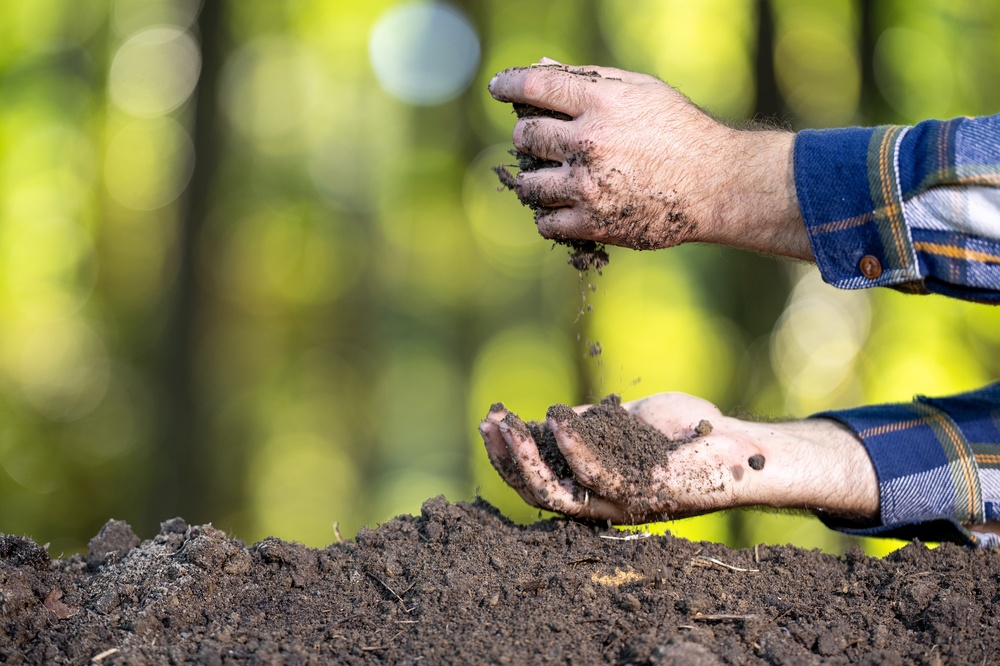
Clay soil does not care about your viral gardening hack. It doesn’t care how aesthetic the video is, how calming the background music feels, or how confidently someone says “trust me.” Clay soil has its own personality—dense, stubborn, slow to drain, and deeply unimpressed by shortcuts.
When TikTok’s no-dig method collides with clay-heavy ground, the results can be messy, frustrating, and surprisingly expensive. Let’s talk about why this trend looks magical on screen but often turns into a garden horror story the moment you try it at home.
Clay Soil Plays By Its Own Rules
Clay soil is made of extremely fine particles that pack tightly together, leaving very little space for air or water movement. This means water drains slowly, oxygen struggles to reach plant roots, and compaction happens easily under even light pressure. Unlike loamy soil, clay doesn’t loosen up just because organic material is placed on top of it. It requires structural change over time, not surface-level optimism.
When gardeners treat clay like any other soil, roots pay the price by suffocating or rotting. Ignoring the physical reality of clay soil is the fastest way to end up blaming plants for problems caused by soil mechanics.
The No-Dig Method Isn’t One-Size-Fits-All
The no-dig approach was developed with specific soil conditions in mind, particularly soils that already have decent structure and drainage. In those settings, layering compost on top can support soil life without disrupting beneficial organisms. Clay soil, however, often starts in a compacted, low-oxygen state that doesn’t respond well to surface amendments alone.
Without some initial loosening, roots struggle to break through the dense layer below. TikTok often skips this nuance, presenting no-dig as universally effective when it simply isn’t. Context matters, and clay soil demands a different starting strategy.
TikTok Timeframes Ignore Soil Reality
One of the most misleading parts of viral no-dig videos is the timeline. You’ll see lush beds and thriving vegetables supposedly achieved in weeks. In real clay soil, meaningful improvement takes seasons, sometimes years. Organic matter does eventually help clay soil, but only when it’s incorporated gradually and allowed to interact with soil structure. Dumping compost on top and expecting instant transformation sets unrealistic expectations. When plants fail, gardeners assume they did something wrong, when the real issue is being sold a sped-up fantasy.
Drainage Problems Get Worse, Not Better
Clay already holds water aggressively, and piling organic layers on top without addressing compaction can trap even more moisture. This creates a soggy zone where roots sit in cold, wet conditions for too long. Poor drainage encourages fungal diseases, root rot, and nutrient lockout.
Instead of improving soil health, the no-dig stack can act like a lid on a pot with no drainage holes. Many gardeners only realize this after heavy rain turns their beds into sponges that never dry out. By then, plant stress is already baked in.
Roots Don’t Care About Aesthetics
A layered no-dig bed might look beautiful from above, but roots live below the surface where conditions matter most. When roots hit an unbroken clay layer, they often stop growing downward and spread sideways instead. This leads to shallow root systems that are vulnerable to drought, heat, and wind. Plants may look fine early in the season, then suddenly struggle as they mature. TikTok rarely shows what’s happening underground, but that’s where success or failure is decided. Gardening isn’t a visual art project; it’s applied biology.
Microbial Life Needs Air And Balance
Healthy soil life requires oxygen, moisture balance, and gradual organic integration. Clay soil that remains compacted limits airflow, slowing microbial activity instead of boosting it. While compost is food for microbes, it can’t fix a lack of oxygen on its own. In poorly aerated clay, decomposition slows and nutrients remain locked up rather than becoming plant-available. This undermines one of the main promises of the no-dig method. Without addressing structure, you’re feeding a system that can’t fully function.
Why TikTok Makes It Look Effortless
Short-form video rewards simplicity, confidence, and dramatic before-and-after visuals. There’s no space for soil science, regional differences, or long-term planning. Algorithms favor methods that appear easy and universal, even when reality is more complicated.
Creators aren’t necessarily lying, but they are compressing complex processes into digestible entertainment. Clay soil just doesn’t cooperate with that format. Gardening success depends on patience and adaptation, not replication.

What Actually Works Better In Clay Soil
Clay soil responds best to a hybrid approach that respects its limitations. Initial loosening through broadforking or shallow cultivation helps break compaction without destroying soil life. Organic matter works best when gradually incorporated, not just layered on top. Raised beds, amended planting zones, and careful traffic control prevent re-compaction. Over time, clay can become incredibly fertile and resilient, but it won’t get there through viral shortcuts. Working with clay instead of fighting it changes everything.
Viral Advice Versus Dirt-Level Truth
TikTok’s no-dig trend isn’t evil, but it’s incomplete—especially for clay soil gardeners who deserve better guidance than copy-and-paste solutions. Clay soil is powerful, productive, and stubbornly honest about what it needs. When you respect its nature, it rewards you generously. When you ignore it, it pushes back hard. If you’ve experimented with no-dig methods in clay soil, the comments section below is the perfect place to add your experience, lessons learned, or unexpected outcomes.
You May Also Like…
6 Soil Additives That Could Backfire in Cold Weather—Experts Warn to Skip These in January
The Secret Ingredient in Your Soil That’s Sabotaging Your Seed Starts
Soil Test Warning: What North Carolina Gardeners Are Finding in Their Yards This January
9 Raised Bed Fixes That Stop Soil From Turning to Soup
Why You Shouldn’t Compost These 3 Things—Even If TikTok Says It’s Fine

Brandon Marcus is a staff writer for FrugalGardening.com at District Media, Inc., where he delivers practical gardening advice with a relatable, no-nonsense style. An avid amateur gardener, he holds a BA degree and with over ten years of professional writing experience, he is also an award-winning published author whose first book, Questions For Deep Thinkers, was released by Adams Media. His work has appeared in major publications including Fandom.com, CHUD.com, TheColdWire.com, and Fansided.com.
Leave a Reply