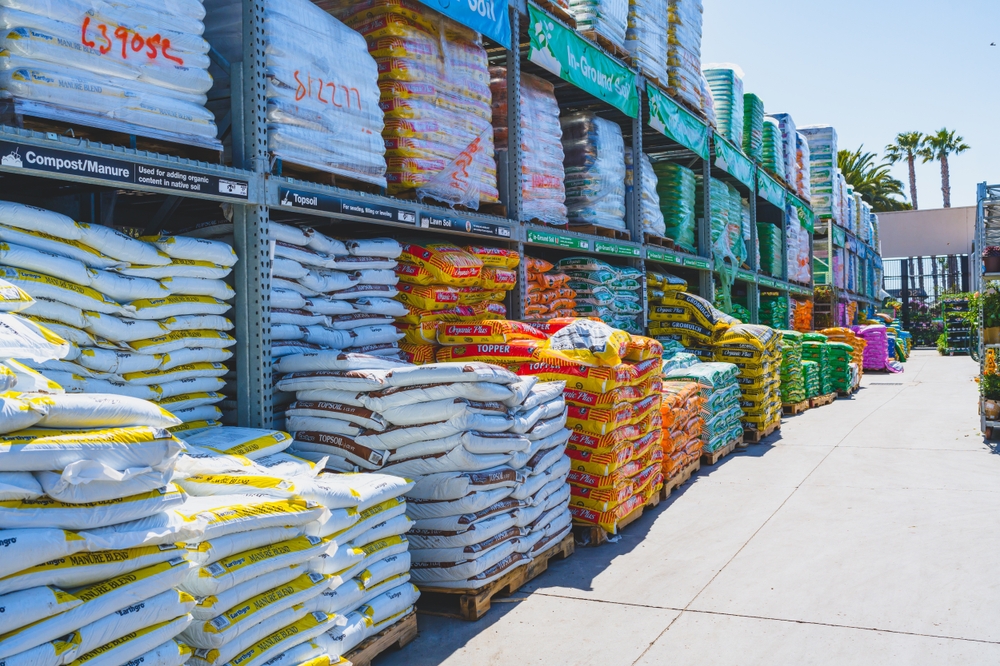
If you’ve ever stared at a mountain of soil at a garden center and wondered whether buying it by the truckload is really worth it, you’re not alone. Bulk soil sounds like a dream for every avid gardener: more product for less money, fewer trips to the store, and a garden ready to bloom like a scene out of a home-and-garden magazine. But before you call a landscaper and rent a dump truck, there are some nuances to consider.
Is it really cheaper, or are you just paying for weight, delivery fees, and more soil than you can reasonably use? Let’s explore the surprising truths about buying soil in bulk.
Bulk Soil vs. Bagged Soil: What’s Really Cheaper?
On the surface, bulk soil seems like a no-brainer: the more you buy, the lower the cost per cubic yard. Retailers often advertise bulk soil at a fraction of the price per unit compared to bagged soil, enticing you with the promise of instant savings. However, bulk soil is often sold by the cubic yard, and that measurement can be deceiving because the soil can settle or compact during delivery.
Bagged soil, on the other hand, may cost more per cubic foot, but it’s measured precisely, easier to transport, and rarely surprises you with hidden fees. If you’re planning a small garden or container planting, bagged soil may actually save money when you factor in how much you’ll truly use.
Delivery Fees and Hidden Costs
Even the cheapest bulk soil can become expensive once you factor in delivery. Many suppliers charge per mile or per ton, and if your driveway isn’t suited for a dump truck, you may need extra labor to distribute it. That’s on top of rental fees if you were considering doing it yourself, or hiring help to spread it evenly across your garden beds.
There’s also the risk of over-ordering: soil left unused can compact, dry out, or attract pests, which means you could end up wasting what seemed like a bargain. Bagged soil eliminates many of these variables because you buy only what you need and can carry it yourself without worrying about delivery logistics.
Quality Control: More Soil, More Surprises
One of the often-overlooked aspects of bulk soil is quality consistency. Bulk soil is typically delivered in large quantities, which can lead to uneven mixing or contamination with debris like rocks, sticks, or clay lumps. While some suppliers sift and screen their product carefully, others might cut corners, leaving you with a mix that requires extra work to make usable.
Bagged soil usually comes pre-screened and tested for nutrients, pH levels, and texture. This gives you predictable results for your plants. If you’re growing vegetables, herbs, or delicate flowers, that consistency can be worth the extra cost. Ultimately, it ensures healthy growth without the surprise of rocky soil.
Storage and Shelf Life Considerations
Buying soil in bulk isn’t just a one-time event; it comes with storage challenges. Unlike bagged soil, which can sit on your porch or in the garage for months without major issues, bulk soil needs a dry, shaded area and may require tarping to prevent erosion, weed seeds, or waterlogging. Soil left exposed can compact, lose nutrients, or even grow mold, reducing its effectiveness when you finally use it.
Bagged soil offers convenience in this regard. It allows gardeners to store only what they need and keep the remaining supply in pristine condition. Thinking ahead about how much soil you can realistically use in the next planting season can save money and prevent a muddy mess.
When Bulk Soil Makes Sense
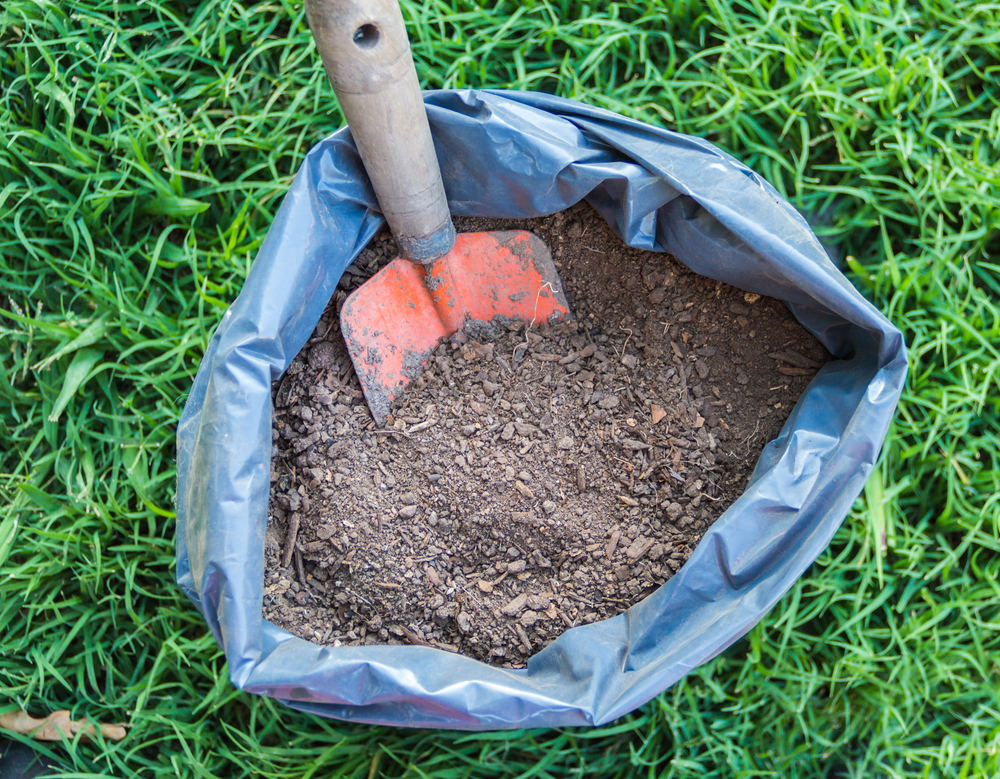
Bulk soil is not inherently a bad deal—in fact, for large projects, it can be a real cost-saver. If you’re landscaping multiple garden beds, building a new lawn, or filling a raised bed that covers hundreds of square feet, the per-unit cost of bulk soil starts to outweigh the convenience of bagged soil.
Just be strategic! Calculate how many cubic yards you truly need. Then, ask about delivery fees, and make sure you have a plan for proper distribution and storage. When used thoughtfully, bulk soil allows you to stock up efficiently while keeping your wallet and your garden happy. It’s all about scale and planning.
Time For Smart Soil Shopping
So, is buying soil in bulk always cheaper? Not necessarily. The math isn’t just about price per yard; it’s about delivery, storage, usability, and quality. For small gardens, container plants, or casual gardeners, bagged soil often ends up being more practical and cost-effective, despite the higher per-unit price. For large-scale projects, bulk soil can save money if you plan carefully and account for all logistical considerations.
Ultimately, savvy gardeners weigh convenience, quality, and quantity, choosing the option that aligns with their project size and gardening goals.
What’s your take: do you swear by bulk soil for big projects? Or is bagged soil your go-to for ease and precision? Share your experience in the comments below.
You May Also Like…
6 Vegetables That Don’t Benefit From Expensive Soil Additives
8 Low-Cost Ways to Improve Garden Soil Structure
8 Signs Your Soil Needs More Drainage Before Spring Rains
The $3 Soil Test That Could Save Your Spring Garden—And It’s Not Sold at Big Box Stores
Why You Shouldn’t Trust TikTok’s ‘No-Dig’ Method in Clay Soil

Brandon Marcus is a staff writer for FrugalGardening.com at District Media, Inc., where he delivers practical gardening advice with a relatable, no-nonsense style. An avid amateur gardener, he holds a BA degree and with over ten years of professional writing experience, he is also an award-winning published author whose first book, Questions For Deep Thinkers, was released by Adams Media. His work has appeared in major publications including Fandom.com, CHUD.com, TheColdWire.com, and Fansided.com.
Leave a Reply