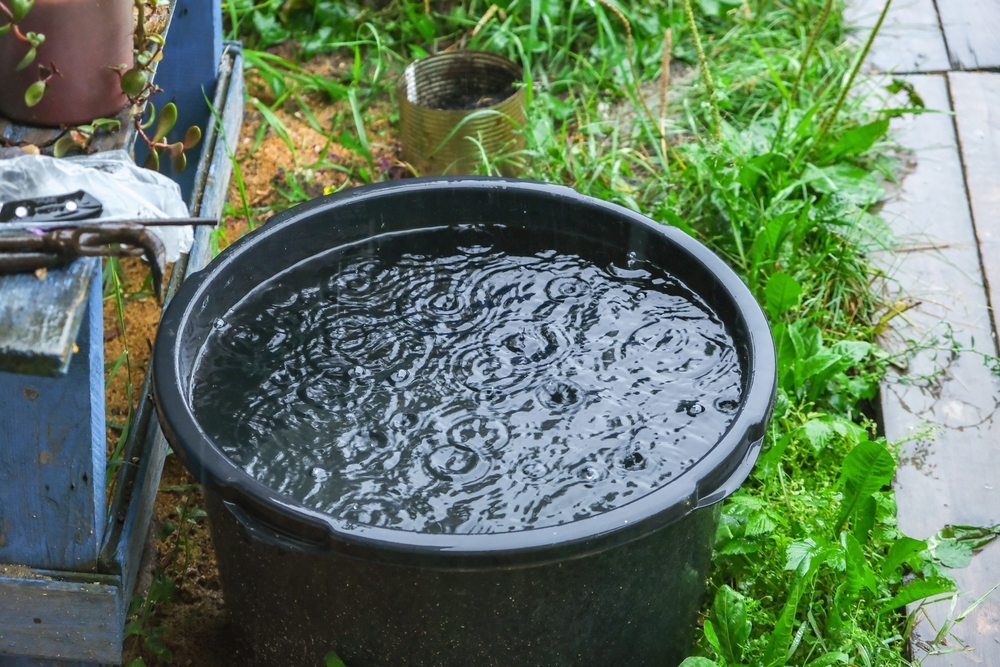
Rain barrels have become the eco-friendly badge of honor for modern homeowners. They promise lower water bills, greener gardens, and a feel-good sense of sustainability that makes you feel like you’re doing your part for the planet. But behind that wholesome image, water authorities and environmental experts are raising serious red flags about what’s actually collecting in those barrels.
The truth is that rainwater doesn’t fall into your barrel clean, pure, and harmless—it takes a dirty journey across rooftops, gutters, and pipes before it ever reaches storage. And that journey can turn your “free water” into a chemical cocktail you never planned to use around your home or family.
Your Roof Is Not A Clean Water Source
Most homeowners assume rainwater is naturally clean, but the contamination often starts before the water even leaves your roof. Roofing materials can leach chemicals, especially asphalt shingles, treated wood, and older roofing systems. Dust, pollen, bird droppings, rodent waste, and insect debris collect on roofs daily and get washed straight into rain barrels during storms.
Water authorities regularly warn that rooftops act more like collection trays for pollutants than clean surfaces. This means your rain barrel may contain bacteria, heavy metals, and organic waste before you even open the spigot. If you use that water on edible plants or near kids and pets, you could be exposing your household to contaminants you never intended to introduce.
Gutters And Downspouts Turn Rainwater Into A Pollutant Pipeline
Gutters feel harmless, but they function like delivery systems for contamination. Leaves, decaying organic matter, animal nests, and standing water inside gutters create a breeding ground for bacteria and mold. When rain hits, everything gets flushed directly into your barrel in one concentrated surge.
Authorities warn that this process can dramatically increase bacterial levels, including pathogens that cause gastrointestinal illness. Add in urban air pollution and dust from nearby roads, and the water quality drops even further. Without proper filtration, your rain barrel becomes less like a conservation tool and more like a slow-moving contamination system.
Rainwater can be treated so that it’s healthy for consumption. But unless you are filtering it correctly, it can present danger.
Standing Water Creates A Biological Playground
Once water enters the barrel, the risks don’t stop—they multiply. Standing water creates perfect conditions for bacterial growth, algae blooms, and mosquito breeding. Warm temperatures accelerate microbial growth, turning stored rainwater into a living ecosystem rather than a clean resource.
Health agencies have long warned that stagnant water can harbor harmful microorganisms that pose risks to humans and animals. Even sealed barrels can develop internal contamination over time if not cleaned properly. The longer water sits, the more dangerous it can become without active management.
Chemical Pollution Doesn’t Stay Out Of Your Backyard
Rainwater often carries more than organic debris—it also picks up chemical pollutants from the air. Vehicle emissions, industrial pollution, and urban runoff particles settle on rooftops and surfaces before rain washes them into barrels. Studies have shown that rainwater can contain traces of heavy metals like lead, zinc, and copper, especially in urban and suburban environments.
These contaminants may not be visible, but they accumulate quietly over time. Water authorities emphasize that rain barrels are not filtration systems—they are storage systems.
How To Make Rain Barrels Safer, Not Riskier
The good news is that rain barrels don’t have to be dangerous if managed correctly. Regular cleaning schedules prevent bacterial buildup and sediment accumulation inside barrels.
Keeping barrels sealed, shaded, and cool reduces microbial growth and mosquito breeding. Most importantly, limiting use to ornamental plants and lawns—not edible gardens or household use—dramatically lowers health risks.
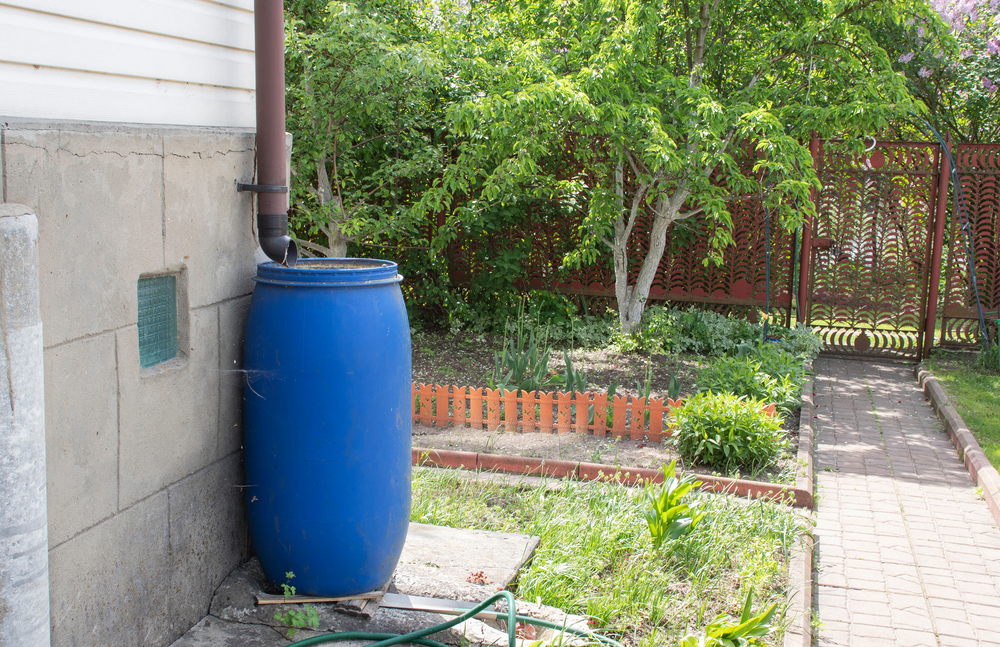
Why Water Authorities Are Speaking Up Now
Rainwater harvesting has exploded in popularity, but public understanding hasn’t kept up with the science. Water authorities aren’t trying to scare homeowners—they’re trying to correct misinformation.
Many people treat rain barrels like clean water sources instead of untreated collection systems. This misunderstanding leads to unsafe usage habits that increase public health risks. Education, not fear, drives these warnings. The goal is safer sustainability, not stopping rainwater collection altogether.
Smart Sustainability Starts With Better Information
Rain barrels can still be part of a responsible, eco-friendly home strategy when used correctly. Awareness transforms risk into responsibility and turns blind trust into smart management. Clean systems, proper usage, and realistic expectations protect your household and your environment.
Rain barrels feel like a simple solution, but they carry hidden risks most homeowners never consider until it’s too late. Are you using your rainwater safely, or has your “green upgrade” quietly turned into a health risk you never saw coming? Head to the comments to give your tips and insights.
You May Also Like…
Why Some States Are Cracking Down on Rain Barrels Again
8 Signs Your Soil Needs More Drainage Before Spring Rains
9 Reasons Your Raised Beds Drain Worse in Winter and the Fix
Why Rainwater Collection Is Easier in Fall
When Should You Start Building Your Greenhouse for Next Season?

Brandon Marcus is a staff writer for FrugalGardening.com at District Media, Inc., where he delivers practical gardening advice with a relatable, no-nonsense style. An avid amateur gardener, he holds a BA degree and with over ten years of professional writing experience, he is also an award-winning published author whose first book, Questions For Deep Thinkers, was released by Adams Media. His work has appeared in major publications including Fandom.com, CHUD.com, TheColdWire.com, and Fansided.com.
Leave a Reply