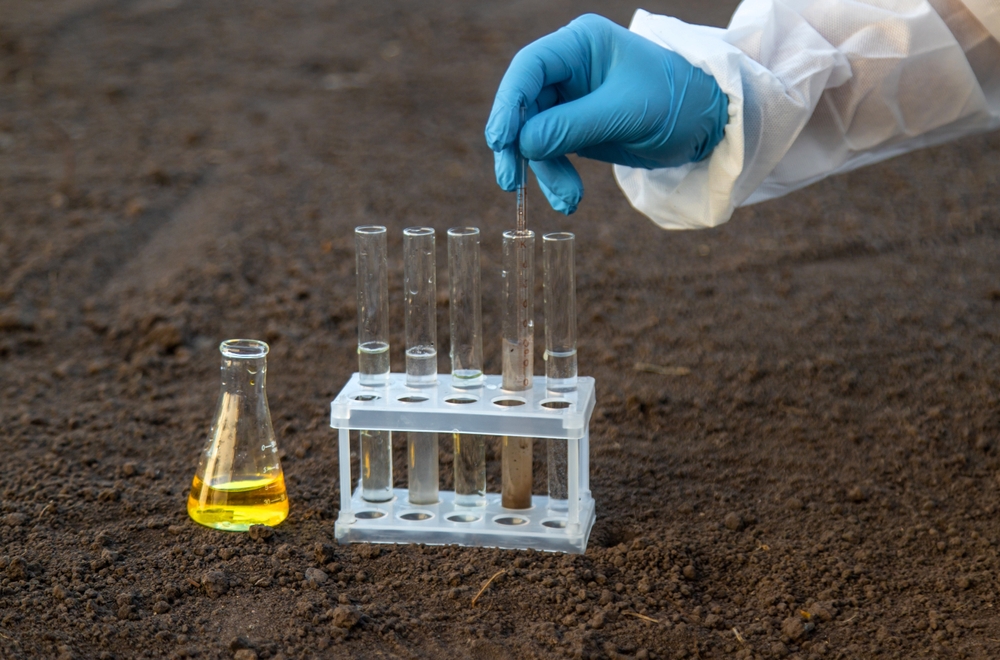
Spring is in the air, and your garden is begging for attention. You’ve got seeds lined up, compost ready, and dreams of a backyard bursting with color. But here’s the twist: your soil might be plotting against you. Every gardener knows that not all soil is created equal, and a single overlooked nutrient deficiency can turn your luscious plans into a patch of sad sprouts.
Enter the $3 soil test—a humble little tool that costs less than your average coffee run but can save your plants, your pride, and maybe even your sanity. It’s so straightforward that you’ll wonder why you didn’t do it years ago, and the results are shockingly accurate without any fancy lab visits or chemical expertise.
Why Soil Testing Matters More Than You Think
Most gardeners focus on seeds, water, and sunlight, which are crucial, of course. But soil is the silent powerhouse of your garden, controlling every growth spurt, blossom, and leaf. Nutrients like nitrogen, phosphorus, and potassium are vital, and deficiencies are sneaky. They don’t always show dramatic signs until it’s too late. Weak roots, stunted growth, or dull leaves are subtle hints your soil is crying for help. Beyond nutrients, pH levels play a starring role, determining how well your plants can absorb what they need.
Acidic or alkaline soil can render even the richest compost almost useless. Testing your soil gives you an actionable roadmap, guiding your amendments and fertilizers to where they will have the biggest impact. It’s like giving your plants a personalized nutrition plan, and your spring garden deserves nothing less.
The $3 Soil Test That Works Wonders
This isn’t some elaborate kit you find at the big-box garden section. The $3 soil test is simple, elegant, and uses ingredients you probably already have in your kitchen. All you need is a small container, distilled water, and some white vinegar or baking soda.
The concept is straightforward: vinegar reacts with alkaline soil and baking soda reacts with acidic soil. A little fizz tells you a lot. Within minutes, you can gauge your soil’s pH, identify potential imbalances, and take action before planting. No lab trips, no confusing jargon, and no expensive tools. Just a few tablespoons of soil and some common household items, and suddenly, you’re armed with the knowledge that can transform your garden.
How To Perform The Test Step By Step
Start by taking soil samples from different areas of your garden. Avoid spots that recently had compost or fertilizer, as they can skew the results. Place each sample in a small cup or container and add a few tablespoons of distilled water, stirring until it’s slightly muddy but not soupy. For the vinegar test, add a small amount of white vinegar to one portion of soil. If it fizzes, your soil is alkaline.
For the baking soda test, mix a teaspoon of baking soda into another portion with water. Bubbling indicates acidic soil. If neither reaction occurs, congratulations—your soil is likely near neutral, perfect for a wide variety of plants. Record your results carefully, and you’ll have a precise pH map of your garden without ever leaving home.
Adjusting Your Soil Without Stress
Once you know your soil’s pH, adjusting it is surprisingly simple. Acidic soil can be balanced with lime, while alkaline soil can benefit from sulfur or peat moss. The key is moderation—small changes over time are more effective than drastic shifts. Adding organic matter like compost, leaf mold, or aged manure helps buffer pH changes while providing essential nutrients. This is also the moment to think about targeted fertilization. Nitrogen boosts leafy growth, phosphorus strengthens roots and flowers, and potassium helps plants fight disease. By combining pH adjustments with thoughtful nutrient management, your garden transitions from “just surviving” to thriving spectacularly.
Unexpected Benefits Beyond Plant Health
Soil testing doesn’t just improve your flowers and veggies—it improves your gardening life. You’ll spend less money buying fertilizers that aren’t needed, avoid the frustration of unexplained plant decline, and gain confidence in your green thumb. It can also reveal hidden issues like compacted soil or drainage problems that affect plant health.
Understanding your soil creates a sense of control and predictability, turning gardening from a gamble into a science-backed art form. You might even impress your neighbors with your perfectly thriving garden and casually drop, “Oh, it’s just my $3 soil test,” leaving them both curious and envious.
Tips For Making Soil Testing A Routine
Consistency is key. Test your garden soil at least once per season—spring before planting, summer if growing multiple crops, and fall to prepare for next year. Keep a small journal to track pH, nutrient levels, and amendments applied. Over time, you’ll notice patterns and be able to anticipate your garden’s needs before they become problems. Incorporate visual checks for leaf color, growth rate, and overall plant vigor alongside your testing. Combining observation with these inexpensive tests turns you into a proactive, highly effective gardener. Soon, your garden will flourish with fewer surprises, healthier crops, and far less guesswork.
Tell Us About Your Soil Adventures
Gardening is as much about curiosity as it is about results. Now that you’ve got the tools to test your soil for just a few dollars, your spring garden has a fighting chance to become the envy of your block. Did your soil surprise you? Did a simple fizz lead to a garden miracle? We want to hear your experiences, lessons, and even the little failures that taught you something unexpected.
Jump into the comments below and let your fellow gardeners in on your journey. Every story adds richness to our collective green-thumb knowledge.
You May Also Like…
Soil Test Warning: What North Carolina Gardeners Are Finding in Their Yards This January
6 Soil Additives That Could Backfire in Cold Weather—Experts Warn to Skip These in January
The Secret Ingredient in Your Soil That’s Sabotaging Your Seed Starts
7 Winter Mulches That Actually Warm Soil Instead of Chilling It
9 Raised Bed Fixes That Stop Soil From Turning to Soup

Brandon Marcus is a staff writer for FrugalGardening.com at District Media, Inc., where he delivers practical gardening advice with a relatable, no-nonsense style. An avid amateur gardener, he holds a BA degree and with over ten years of professional writing experience, he is also an award-winning published author whose first book, Questions For Deep Thinkers, was released by Adams Media. His work has appeared in major publications including Fandom.com, CHUD.com, TheColdWire.com, and Fansided.com.
Leave a Reply