Garden centers love to whisper sweet promises about miracle mixes and premium powders, but your vegetable patch doesn’t always fall for the hype. Some vegetables actually perform better when you stop trying to spoil them. They grow stronger roots, tastier harvests, and fewer problems when you let the soil stay simple and honest.
If you’ve ever wondered why certain plants sulk after you pour money into the dirt, you’re not imagining things. Here are six vegetables that shrug off expensive soil additives and keep growing like champs anyway.
1. Beans Laugh At Extra Nitrogen
Beans operate with impressive independence, and they prove it every growing season. Their roots partner with beneficial bacteria that pull nitrogen straight from the air and store it in the soil. When you pile on nitrogen-rich additives, beans respond with lush leaves and disappointing pods.
Gardeners often mistake leafy growth for success, but beans measure success in harvest, not greenery. Save the fancy additives for plants that actually ask for them, because beans already handle their own nutrition like pros.
2. Carrots Prefer A Lean, No-Nonsense Bed
Carrots are notorious for having problems while growing, but you just have to understand how they work. They care more about soil texture than nutrient fireworks. Loose, stone-free soil lets their roots grow long and smooth, while rich additives often cause branching, twisting, and misshapen roots.
Gardeners who chase bigger harvests with compost-heavy blends usually end up confused by forked carrots that look like science experiments. A simple mix of garden soil and sand often beats premium blends every time.
3. Radishes Race Ahead Without Fancy Boosters
Radishes grow fast, and that speed already sets them apart from many vegetables. When gardeners add expensive soil amendments, radishes tend to bolt or produce more leaves than roots. These plants thrive in modest soil that drains well and doesn’t overwhelm them with nutrients.
Too much nitrogen turns radishes into leafy divas with tiny bulbs hiding underground. If you want snappy radishes instead of leafy regrets, skip the additives and let them sprint naturally.
4. Beets Balance Better Without Rich Additives
Beets enjoy balance, and heavy-handed soil improvements throw that balance off. Excess nitrogen pushes beet plants to grow massive leaves while their roots lag behind. Gardeners often feel disappointed when harvest time reveals small bulbs under a jungle of greens.
Average soil with moderate fertility supports steady root growth and good flavor. Thankfully, beets can tolerate less-than-perfect conditions and still deliver solid results season after season.
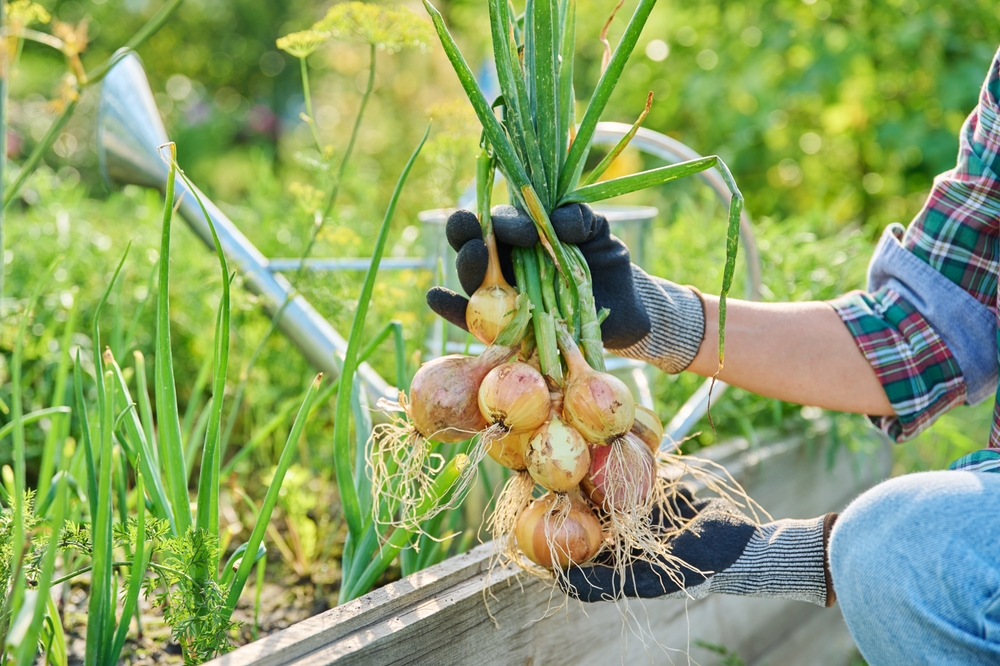
5. Onions Stay Focused In Simple Soil
Onions demand good drainage and sunlight, not luxury soil treatments. Rich additives high in nitrogen encourage leafy growth but delay bulb formation, which frustrates gardeners waiting for those satisfying underground orbs. Onions need time and consistency rather than nutrient overload.
Basic soil with light compost works beautifully, especially when you keep moisture steady. When you let onions grow in straightforward soil, they concentrate on forming firm bulbs instead of excess foliage.
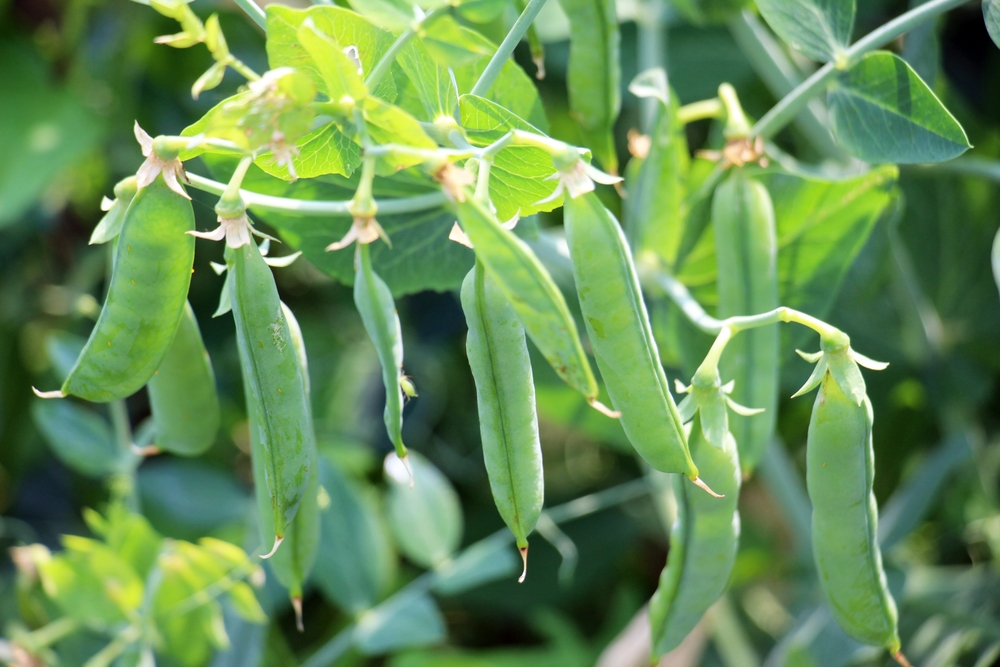
6. Peas Handle Their Own Business Quietly
Peas share the same nitrogen-fixing talent as beans, and they use it just as effectively. Extra nitrogen from pricey additives only encourages leafy vines and fewer pods. Peas prefer cool weather, decent drainage, and modest soil fertility.
Simple soil allows peas to focus on flowering and pod production instead of unnecessary growth. A good rule of thumb is to always let peas do their thing, and they’ll climb, bloom, and produce without demanding special treatment.
It’s Time To Let Your Soil Relax
Gardening doesn’t require a shopping spree or a shelf full of supplements. Many vegetables thrive when you step back and trust their natural habits instead of forcing extra nutrients into the soil. Beans, carrots, radishes, beets, onions, and peas all prove that simpler soil often produces better results. When you understand what each plant actually needs, you save money and avoid common growing mistakes.
If you’ve noticed certain vegetables performing better when you stopped overthinking the soil, jump into the comments section below and tell us what worked in your garden.
You May Also Like…
Is Early Garden Mapping the Key to Higher Yields on a Budget?
12 Seeds You Should Start Early If You Want Big Spring Harvests
7 Vegetables That Tolerate Cold Starts
11 Cold-Weather Crops You Can Still Grow Under a Simple Cover
9 Vegetables That Taste Sweeter After Frost

Brandon Marcus is a staff writer for FrugalGardening.com at District Media, Inc., where he delivers practical gardening advice with a relatable, no-nonsense style. An avid amateur gardener, he holds a BA degree and with over ten years of professional writing experience, he is also an award-winning published author whose first book, Questions For Deep Thinkers, was released by Adams Media. His work has appeared in major publications including Fandom.com, CHUD.com, TheColdWire.com, and Fansided.com.
Leave a Reply