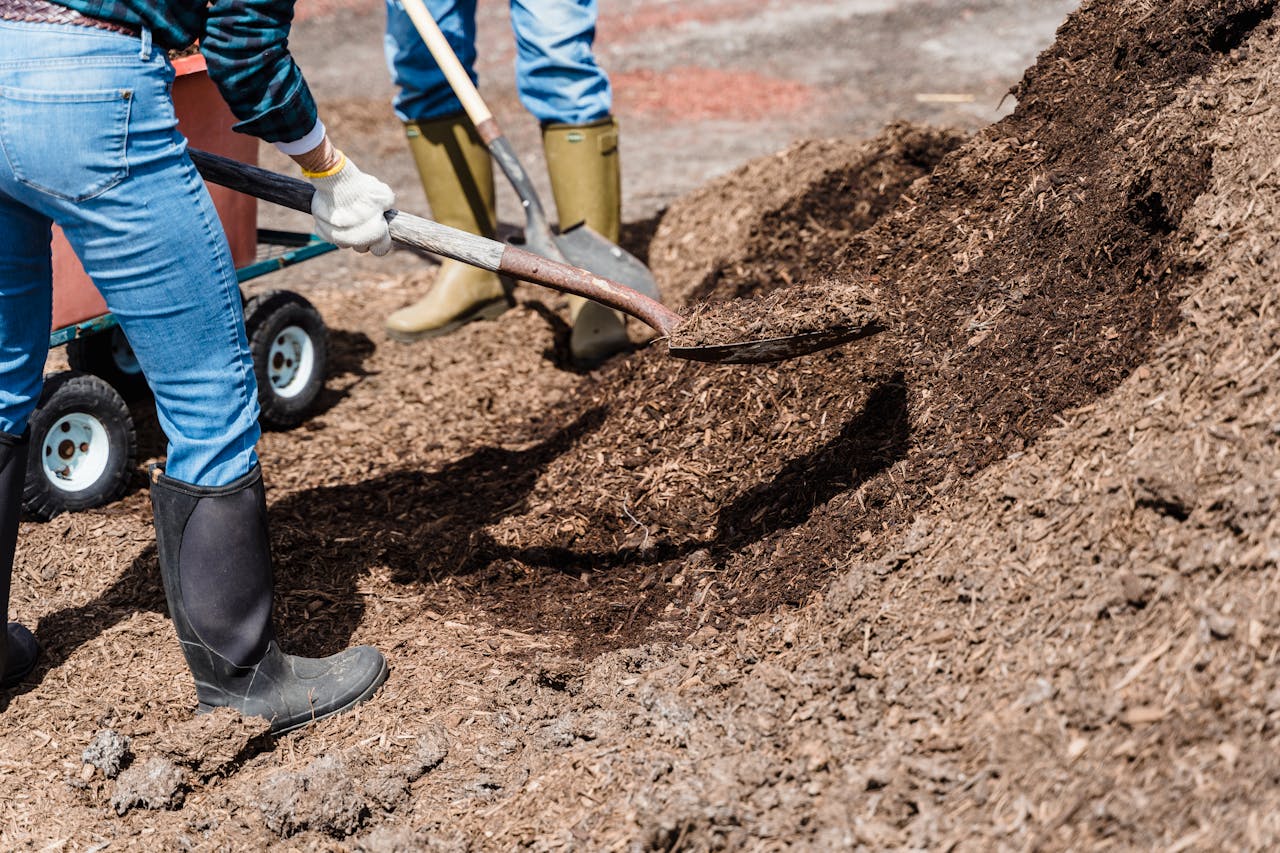
Spring shows up quietly in many yards, but experienced gardeners already prepare long before flowers begin stretching toward the sun. The moment winter loosens its grip, soil starts waking up like it drank a strong cup of morning coffee. Many people think mulching belongs strictly in warm weather, yet thousands of garden enthusiasts spread mulch before April even arrives because timing matters more than tradition. Gardeners who care about soil health start thinking about protection while frost still hides in shady corners of the yard.
The truth feels simple: healthy soil produces stronger plants, and mulch acts like a comfort blanket for roots waiting for warmer days. Gardening groups often share guidance showing how early mulch can help regulate soil conditions. This practice supports moisture retention, discourages weeds from taking control, and keeps sudden temperature swings from shocking young plants. Early spring may not look exciting, but underground activity moves quickly once sunlight begins warming the earth.
The Benefits Of Mulching Before April
Spring soil does not wake up all at once. It stretches slowly, just like someone getting out of bed after a long night. Soil microbes begin returning to work when temperature and moisture reach friendly levels. Mulching early helps stabilize that environment because organic layers act like insulation against cold nights and warm afternoons. Gardeners who wait too long sometimes watch weeds grow stronger while desirable plants struggle to find breathing room.
Another reason many gardeners mulch early comes down to moisture control. Winter winds and sunlight evaporation pull water away from exposed soil surfaces. A layer of mulch slows that loss and keeps root zones pleasantly damp without turning them soggy. Roots love balance more than dramatic changes, and steady moisture encourages deeper root growth. Healthy roots help plants survive summer heat and unexpected dry spells later in the year.
Early mulching also helps soil organisms work with more rhythm. Earthworms, beneficial bacteria, and fungi begin improving soil structure when they find stable temperatures. Gardeners who mulch before April create a welcoming workplace for these underground helpers. Good soil life breaks down organic material into nutrients plants can absorb. Think of mulch as a lunch delivery system running quietly beneath flowering beds.
Choosing the Right Mulch for Early Spring
Not every mulch feels the same, and smart gardeners think about materials before spreading anything across the ground. Organic mulches usually bring the best long-term benefits because they decompose and feed soil over time. Wood chips, shredded bark, straw, and composted leaves all work well when placed correctly.
Many gardeners enjoy working with compost mulch because it improves soil fertility while protecting moisture levels. Compost also encourages strong plant development for species such as Lavandula angustifolia, which prefers well-drained soil and sunlight. Thick, wet layers should stay away from plant stems because moisture trapped against stems can invite disease or rot. Leaving a small breathing space around trunks and plant crowns keeps plants happier and healthier.
Color matters less than texture when choosing mulch. Darker mulch sometimes warms soil slightly faster in spring sunlight, which helps early growing plants feel comfortable. Lighter mulch may reflect sunlight and keep soil cooler if warm days arrive too quickly. The main goal stays simple: protect soil without blocking air movement.
Avoiding Common Early Mulching Mistakes
Excitement sometimes leads gardeners to overdo good things. One common mistake involves laying mulch too thick. A layer between two and three inches usually works well for most garden beds. Too much mulch suffocates soil organisms and slows water movement. Think of mulch like a blanket, not a heavy winter coat buried over soil.
Another mistake happens when gardeners mulch over frozen soil. Spring mulch should meet soil that has started thawing naturally. Applying mulch while ground remains frozen traps cold moisture inside and delays spring awakening. Waiting until daytime temperatures stay consistently above freezing helps gardens transition smoothly into the growing season.
Gardeners also avoid piling mulch directly against plant stems and tree trunks. That habit creates dark, damp pockets where pests and diseases feel comfortable living. A small circle of open soil around plant bases allows air circulation and keeps bark surfaces dry.
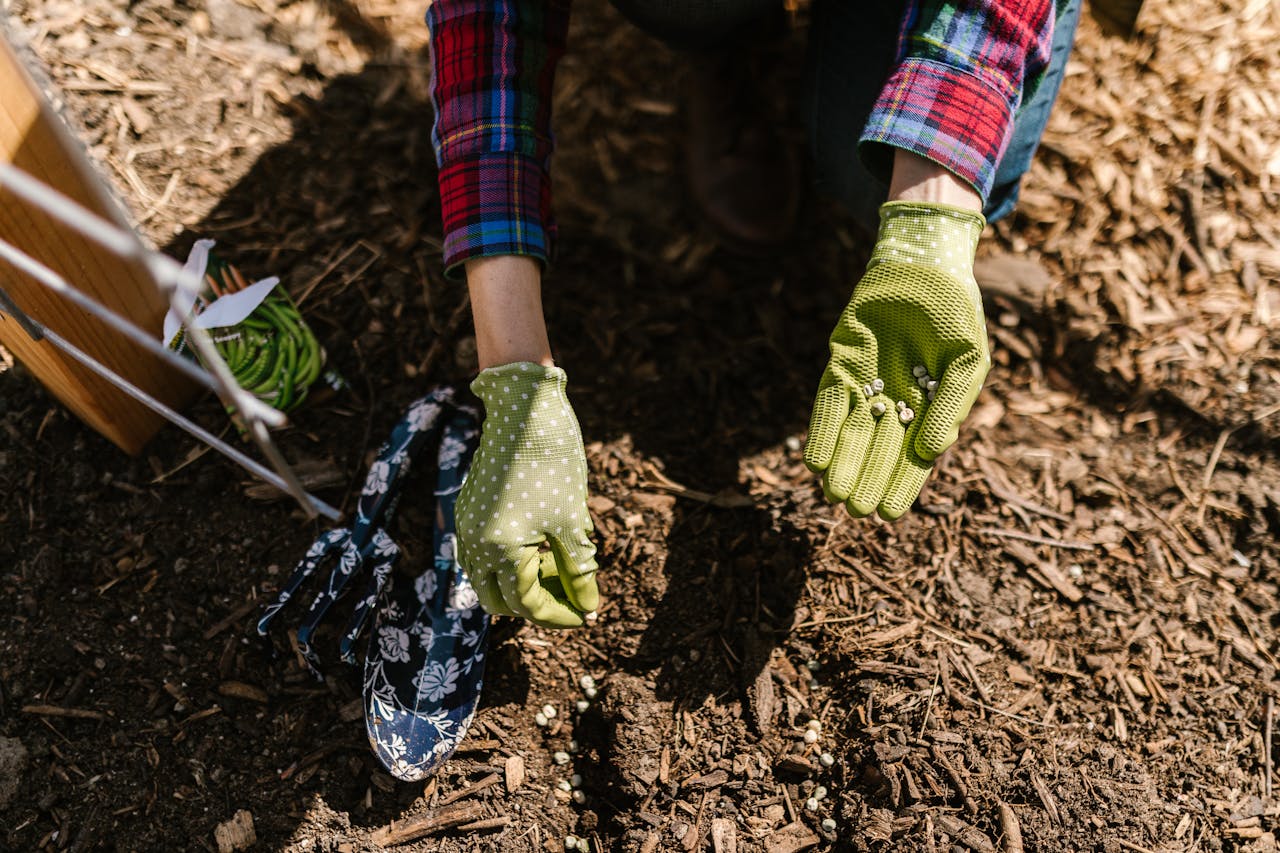
Watching Weather Patterns Before Spreading Mulch
Spring weather behaves like an unpredictable artist. Some days feel warm and friendly, while others bring sharp wind or late frost surprises. Many gardeners watch nighttime temperatures before committing to large mulching projects. When nights start staying above freezing more often, soil shows signs of readiness.
Rain patterns also matter. Spreading mulch before heavy rain sometimes washes fine particles away or compresses layers too tightly. Lightly moist soil accepts mulch more gracefully than soil that feels dusty or frozen. Planning mulch placement after a gentle rain can make garden work feel easier and more natural.
Local climate rhythms influence timing more than calendar dates. Some areas welcome early mulching in February, while other places wait until March or early April. Experienced gardeners learn to watch plants themselves. When buds swell and soil smells earthy instead of cold, spring work is probably ready to begin.
How Early Mulching Supports Future Summer Gardens
Early spring mulch does more than protect soil right now. It builds a foundation for summer plant performance. When heat waves arrive later in the year, mulch helps roots stay cool. Plants spend less energy fighting temperature stress and more energy producing flowers, fruits, or healthy foliage.
Weed suppression becomes a huge bonus. Weeds compete fiercely for sunlight, nutrients, and water. Mulch blocks many weed seeds from reaching sunlight and weakens seedlings trying to push upward. Gardeners spend less time pulling unwanted plants and more time enjoying garden beauty. That extra free time feels wonderful when summer weekends arrive.
Nutrient cycling also improves when mulch slowly breaks down. Organic matter returns minerals to soil while feeding beneficial microorganisms. Over time, soil texture becomes softer and easier to cultivate. Plants growing in improved soil often show stronger stems and brighter leaf color.
Suggestions for Gardeners Thinking About Early Mulch
Start with clean garden beds before spreading mulch. Remove dead leaves, broken branches, and winter debris. Spread mulch by hand or with light gardening tools instead of dumping piles at once. Step back occasionally to check layer thickness across the bed.
Watch plant behavior after mulching. Healthy plants usually respond with steady growth, stronger leaves, and more stable moisture levels around roots. If soil feels overly wet, reduce watering frequency.
Gardeners who mulch early often develop a rhythm with the changing seasons. Spring feels less rushed when soil protection happens before growth accelerates. Garden beds appear calmer, stronger, and ready for summer energy.
What do you think about mulching before April? Share your experiences, tips, or questions in the comments and talk about what works best in your garden.
You May Also Like…
Experts Say a New Fungus Is Spreading Through Mulch in Georgia
This Budget-Friendly Mulch Is Actually Acidifying Your Soil
The Mulch That’s Causing Mold Problems in Southern Homes
7 Winter Mulches That Actually Warm Soil Instead of Chilling It
Why Gardeners in the Carolinas Are Skipping Mulch This Winter—And What Experts Say to Do Instead

Brandon Marcus is a staff writer for FrugalGardening.com at District Media, Inc., where he delivers practical gardening advice with a relatable, no-nonsense style. An avid amateur gardener, he holds a BA degree and with over ten years of professional writing experience, he is also an award-winning published author whose first book, Questions For Deep Thinkers, was released by Adams Media. His work has appeared in major publications including Fandom.com, CHUD.com, TheColdWire.com, and Fansided.com.
Leave a Reply