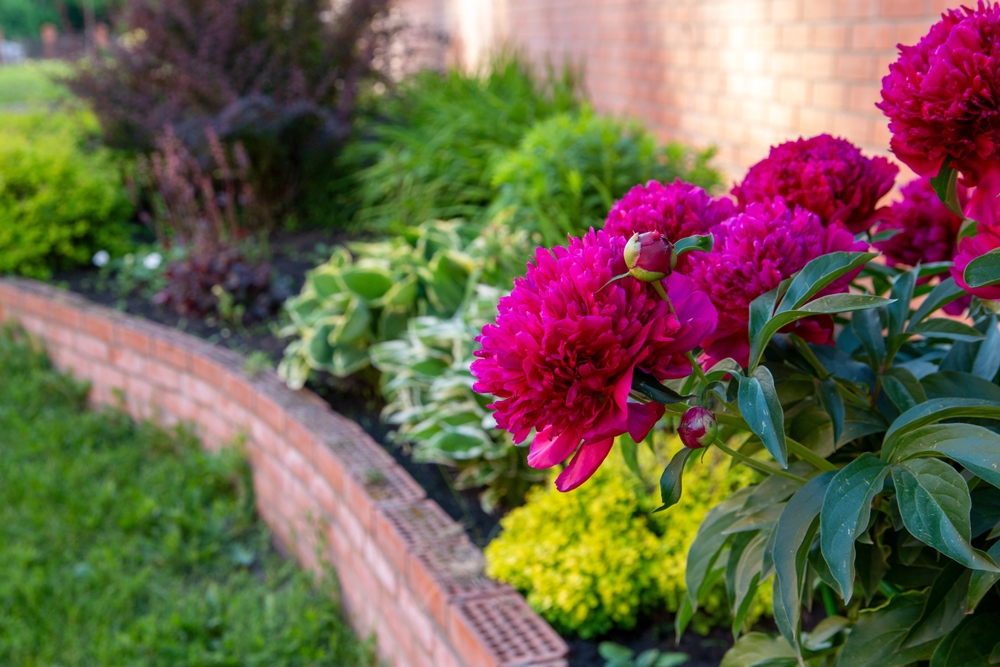
Gardens never stand still, and neither do gardening trends. Ideas that once filled magazine covers and neighborhood landscapes often fade as gardeners discover better ways to save time, support wildlife, and create outdoor spaces that actually fit everyday life.
The biggest shift isn’t about chasing the newest fad. It’s about choosing gardens that look beautiful, stay manageable, and offer something meaningful through every season.
1. Perfectly Manicured Lawns
The flawless, golf course-style lawn has started losing its shine because many homeowners simply don’t want to spend every weekend mowing, watering, fertilizing, and fighting weeds. Rising water costs, hotter summers, and growing interest in sustainable landscaping have made that picture-perfect carpet of grass feel like more work than reward. Plenty of gardeners now shrink their lawns instead of expanding them. They replace sections with flower beds, native grasses, shrubs, or winding paths that create much more visual interest.
A smaller lawn also opens the door to greater biodiversity. Butterflies, bees, and songbirds benefit from gardens filled with flowering plants instead of endless grass blades. The yard suddenly feels more alive, with changing colors, textures, and movement throughout the growing season. Even a modest reduction in lawn size can make maintenance easier while giving the landscape far more personality.
2. Artificial Turf Everywhere
Artificial grass once looked like the ultimate low-maintenance solution, especially in drought-prone regions. It never needed mowing, stayed green year-round, and promised a tidy appearance with very little effort. That appeal has cooled as more gardeners notice how hot synthetic turf becomes during summer and how it lacks the cooling benefits of living plants. Many also miss the sounds, scents, and seasonal changes that make real gardens enjoyable.
Natural landscapes create healthier soil, absorb rainwater, and provide habitat for countless beneficial insects. Even drought-tolerant ground covers or carefully selected native grasses often outperform synthetic surfaces over time because they evolve with the landscape instead of simply covering it. A living garden feels dynamic instead of frozen in place.
3. Brightly Colored Mulch
Bright red, orange, or jet-black mulch once dominated landscape beds because it created dramatic contrast around shrubs and flowers. Today, many gardeners prefer natural wood mulch that blends into the landscape rather than stealing the spotlight. The quieter look allows flowers, foliage, and garden structures to become the stars instead of the mulch itself. Gardens feel softer and more balanced as a result.
Natural mulch also breaks down gradually and contributes organic matter to the soil. Dyed mulches still provide weed suppression, but many gardeners now prioritize materials that support long-term soil health while creating a more timeless appearance. Earthy colors rarely go out of style, and they pair beautifully with almost any planting scheme.
4. Giant Beds Filled With One Flower
Mass plantings of a single flower variety once created dramatic displays, but they often delivered excitement for only a short window. Once those blooms faded, the bed could look surprisingly empty until the following season. Gardeners increasingly favor layered plantings that mix perennials, ornamental grasses, shrubs, and annuals for longer-lasting color. Every month brings something new to enjoy.
Mixed plantings also reduce the risk of losing an entire display to one disease or pest problem. Different bloom times extend nectar sources for pollinators while giving the garden constant visual appeal. Instead of one spectacular moment, the landscape keeps changing and rewarding attention all season long.
5. Exotic Plants That Need Constant Attention
Rare tropical plants and unusual imports still fascinate collectors, but many gardeners now lean toward plants that naturally suit their climate. Constant watering, winter protection, and specialized care can quickly turn an exciting purchase into another demanding chore. Climate-appropriate plants often deliver stronger growth with far less intervention. That combination appeals to busy homeowners who want beauty without endless maintenance.
Native species have become especially popular because they support local wildlife while handling regional weather patterns with ease. They fit naturally into the surrounding ecosystem and often resist common pests more effectively than unfamiliar imports. The result feels both practical and rewarding.
6. Huge Vegetable Gardens
The pandemic sparked enormous vegetable gardens across many neighborhoods, but maintaining dozens of crops proved difficult once daily routines returned to normal. Large gardens require consistent watering, harvesting, weeding, and pest monitoring. Many gardeners discovered that a smaller, carefully planned vegetable patch actually produced more usable food with far less stress. Quality often beats quantity.
Compact raised beds, containers, and kitchen gardens now attract gardeners who want fresh herbs, tomatoes, peppers, and salad greens within easy reach. Harvesting becomes simple, maintenance stays manageable, and less produce goes to waste. The garden works with everyday life instead of competing against it.
7. Strictly Symmetrical Garden Designs
Perfect symmetry creates formal elegance, but many modern gardeners prefer landscapes that feel relaxed and welcoming. Curving paths, informal borders, and natural groupings of plants create movement and encourage exploration. The garden starts feeling like a living space instead of an outdoor showroom. That softer style often blends more naturally with changing plants over time.
Informal designs also adapt more easily when a favorite shrub outgrows its location or a new perennial earns a permanent place in the border. Small adjustments happen naturally without disrupting the entire layout. The result feels collected rather than staged.
8. Decorative Gardens With No Purpose
Beautiful flowers will always have a place, but many gardeners now expect their landscapes to accomplish more than looking attractive. Pollinator gardens, herb gardens, rain gardens, and edible landscaping combine beauty with practical value. Every planting earns its spot by feeding wildlife, producing food, managing water, or adding fragrance. Function and beauty happily share the same space.
This shift also makes gardening more satisfying because every season brings visible rewards beyond colorful blooms. Bees visit flowers, butterflies raise caterpillars, herbs flavor dinner, and birds stop by for seeds and shelter. The landscape becomes part of everyday life instead of scenery viewed from a window.
9. High-Maintenance Container Displays
Towering containers packed with thirsty annuals certainly grab attention, but they often demand daily watering during hot weather. Missing a single day can leave once-lush arrangements looking tired surprisingly fast. Many gardeners now choose fewer containers filled with longer-lasting perennials, ornamental grasses, dwarf shrubs, or drought-tolerant plants. The displays stay attractive with much less effort.
Well-designed containers still provide seasonal color while reducing constant maintenance. Mixing evergreen structure with seasonal flowers creates displays that evolve throughout the year instead of requiring complete replacement every few months. Less work often leads to more enjoyment.
Gardening Style Always Evolves
The best gardens rarely follow trends for very long because every yard has different conditions, challenges, and personalities. Today’s changing preferences simply reflect a growing appreciation for landscapes that support wildlife, conserve resources, and fit comfortably into busy lives. Instead of chasing the latest fashion, successful gardeners choose ideas that make spending time outdoors more enjoyable. A garden that works with nature instead of against it almost always delivers lasting satisfaction.
What gardening trend do you think deserves to disappear for good, and which one would you happily keep for years to come? Share your thoughts and favorite garden changes in the comments.
You May Also Like…
The Backyard Trend That’s Making Neighborhoods More Social
Why More People Are Turning Tiny Yards Into Productive Gardens
5 Budget-Friendly Gardening Tips That Actually Work
Termite Prevention Tips for Raised Beds
The Gardening Mistake That Can Destroy Plants After Heavy Rain

Brandon Marcus is a staff writer for FrugalGardening.com at District Media, Inc., where he delivers practical gardening advice with a relatable, no-nonsense style. An avid amateur gardener, he holds a BA degree and with over ten years of professional writing experience, he is also an award-winning published author whose first book, Questions For Deep Thinkers, was released by Adams Media. His work has appeared in major publications including Fandom.com, CHUD.com, TheColdWire.com, and Fansided.com.
Leave a Reply