Winter gardening can feel like a battle against frost, icy winds, and soil that seems determined to freeze solid. But what if the secret to keeping your plants cozy through the cold months wasn’t a high-tech greenhouse or fancy heater, but something as simple as the right mulch? Mulch isn’t just a boring layer of dead leaves or wood chips—it’s a powerhouse shield that can trap warmth, regulate moisture, and keep roots thriving even when snow piles up.
With the right materials, your soil can stay a cozy winter haven rather than a frozen tundra. Let’s literally dig into seven mulches that will literally give your soil a winter blanket it deserves.
1. Straw: Lightweight, Airy, And Surprisingly Warm
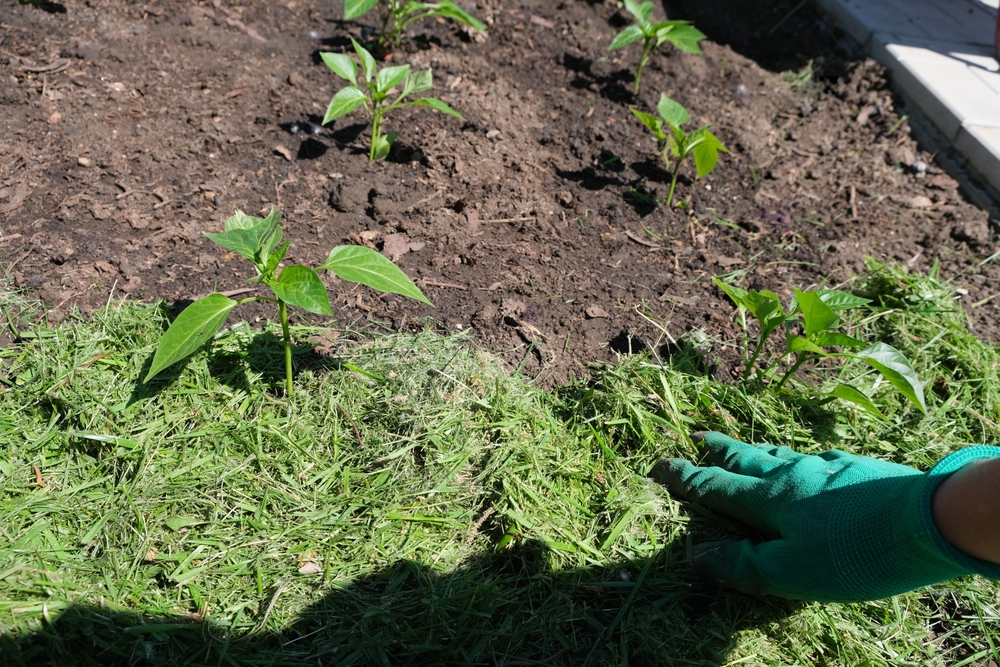
Straw is a classic for a reason. Its airy, fibrous structure traps pockets of air, creating insulation that helps soil maintain a more stable temperature. Unlike heavier mulches that can compact and suffocate the soil, straw keeps things light and fluffy, allowing roots to breathe while staying cozy. It’s also excellent at keeping moisture balanced—it lets water seep through slowly, so your plants don’t get drowned under ice.
Straw works brilliantly around vegetables like carrots, parsnips, and garlic, giving them a snug winter bed. And bonus: it’s widely available and often inexpensive. Spread it thick enough to create that insulating layer, and you might even notice your soil staying several degrees warmer than bare ground.
2. Pine Needles: Acidic, Airy, And Surprisingly Resilient
Pine needles are like the unsung heroes of winter mulch. They form a loose, airy layer that doesn’t compact easily, allowing soil to breathe while still holding warmth close. Their natural acidity can benefit acid-loving plants like blueberries, azaleas, and rhododendrons, giving them a winter boost without any extra effort. Because they’re thin and needle-like, they allow water to filter through rather than creating a soggy mess. Pine needles break down slowly, so you don’t have to reapply them constantly. Plus, they make a beautifully textured layer that looks far more elegant than straw or shredded bark. Your garden gets both style points and functional heat retention—a rare double win.
3. Compost: Nutrient-Rich And Heat-Releasing
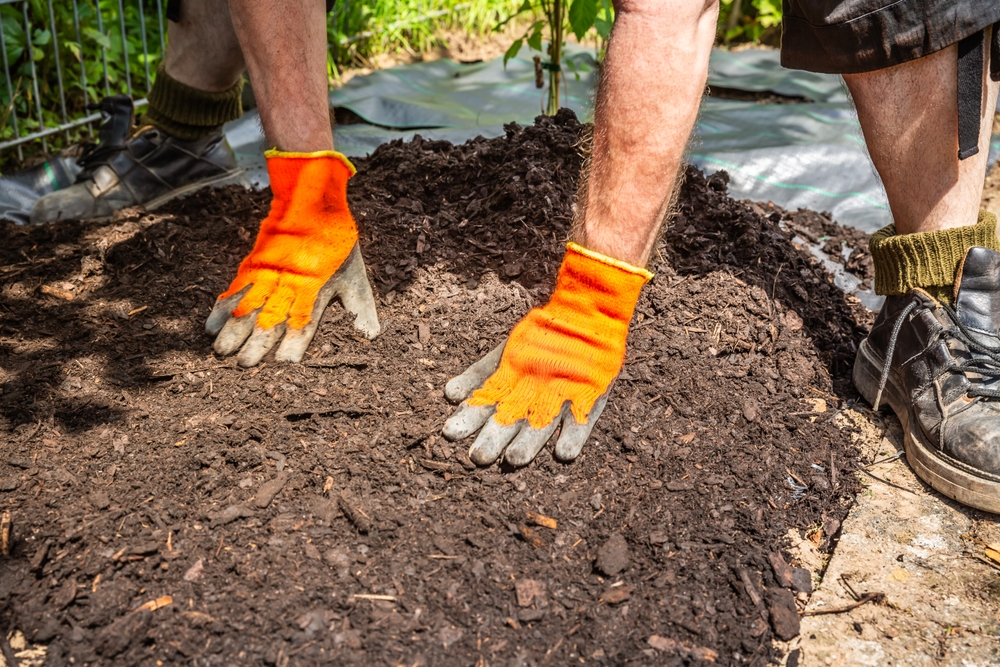
Compost isn’t just for spring and summer. A thick layer of well-matured compost can act like a thermal blanket for soil in winter. As it continues to decompose slowly, it releases a tiny amount of heat—a gentle warmth that can make a noticeable difference to cold-sensitive plants. Compost also improves soil structure, adds essential nutrients, and encourages beneficial microbes to stay active, even in lower temperatures. Spread a 2–4-inch layer around shrubs, perennials, or vegetable beds, and you’ll be feeding your soil while protecting it. Unlike inorganic mulches, compost is alive, working quietly under the surface while your plants rest. By spring, your garden will have richer, more friable soil ready for a growth explosion.
4. Shredded Leaves: Natural, Free, And Incredibly Insulating
Shredded leaves are like the ultimate free winter mulch. They create a thick, soft layer that traps heat and keeps frost from reaching roots. The key is shredding them first—whole leaves can mat down and block air and water, but shredded ones form a cozy, airy blanket. Leaf mulch also slowly decomposes, enriching soil and feeding earthworms that help improve soil structure. It’s perfect around perennials and garden beds, especially for plants that need a little extra winter protection. You can even mix leaves with a little straw or compost to create a custom super-mulch. The bonus is that you’re recycling garden debris instead of sending it to the landfill—eco-friendly warmth, check!
5. Bark Mulch: Dense, Long-Lasting, And Protective
Bark mulch is denser than straw or leaves, but don’t underestimate its ability to keep soil warm. It’s especially effective around trees and shrubs, where a thick layer can shield roots from freezing temperatures. Bark breaks down slowly, meaning you don’t have to reapply it often, and its structure helps prevent weeds from taking over while still allowing water to seep in. It may not be as fluffy as straw, but its thermal mass absorbs daytime heat and releases it at night, creating a subtle warming effect. Available in various sizes, from fine to chunky, bark mulch can be tailored to the aesthetic of your garden while providing long-term winter protection. It’s a practical, attractive choice for gardeners who want a low-maintenance solution.
6. Hay: Extra Warmth With A Rustic Touch
Hay often gets confused with straw, but it’s richer in organic material and retains heat exceptionally well. Its dense network of stems and leaves creates insulating pockets that protect roots from harsh temperatures. Like straw, hay is lightweight and allows water to pass through without pooling. It’s especially effective around root vegetables, berry bushes, and hardy perennials. You’ll want to make sure it’s free from weed seeds—ideally sourced from garden supply stores rather than farms. Hay also adds nutrients as it decomposes, improving soil structure and fertility. Think of it as a dual-purpose mulch: a warm blanket for your plants and a slow-release feed for your soil.
7. Cardboard: Unexpected, Inexpensive, And Surprisingly Effective
Cardboard might not scream “winter mulch” at first glance, but it’s a stealthy superstar. Layers of cardboard trap heat while suppressing weeds and retaining moisture. Wet it down, cover with leaves or straw, and it forms a barrier that keeps soil from freezing as rapidly. Cardboard also breaks down over time, adding organic matter to the soil and improving texture. It’s especially useful for garden beds that will be planted in spring—it preps the soil while keeping it protected. Bonus points: you’re reusing materials that would otherwise go to waste. Cardboard proves that insulation doesn’t have to be complicated or expensive; sometimes, it’s right in your recycling bin.
Keep Your Soil Cozy This Winter
Winter doesn’t have to be a death sentence for your garden. With the right mulch, soil can stay warm, moist, and thriving until spring. Each of these seven mulches offers unique benefits, from straw’s airy fluff to compost’s gentle heat release, so you can choose what fits your garden style, budget, and plants best. Whether you experiment with one type or mix a few together, your roots will thank you.
Have you tried one of these mulches in your winter garden? Tell us about your experiences, tips, or favorite techniques in the comments below—we’d love to hear what’s keeping your soil snug this season!
You May Also Like…
7 Mulch Moves That Prevent Freeze Damage to Roots
Could Snow Be the Best Mulch Your Garden Gets All Year?
Is Mulching Early a Smart Money-Saving Move?
11 Winter Garden Myths That Waste Time and Money
7 Houseplants That Hate Dry Winter Heat and What to Do

Brandon Marcus is a staff writer for FrugalGardening.com at District Media, Inc., where he delivers practical gardening advice with a relatable, no-nonsense style. An avid amateur gardener, he holds a BA degree and with over ten years of professional writing experience, he is also an award-winning published author whose first book, Questions For Deep Thinkers, was released by Adams Media. His work has appeared in major publications including Fandom.com, CHUD.com, TheColdWire.com, and Fansided.com.
Leave a Reply