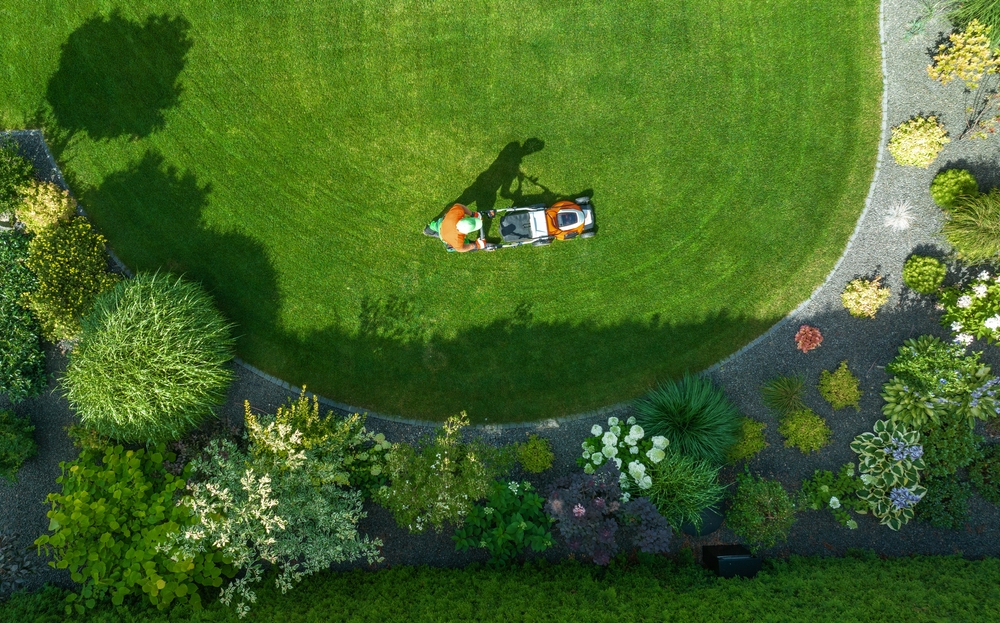
A perfect green lawn once stood as the gold standard of suburban pride. Now, more homeowners happily trade endless mowing, watering, and fertilizing for landscapes that actually do something useful. Functional landscaping delivers beauty while supporting pollinators, growing food, managing rainwater, and cutting back on maintenance. That combination explains why this gardening trend keeps popping up in neighborhoods of every size.
The shift goes far beyond following the latest design craze. People want outdoor spaces that work harder without demanding every free weekend. A front yard can still look polished while welcoming butterflies, reducing water use, and producing herbs or berries for the kitchen. Suddenly, the lawn no longer looks like the only option on the menu.
More Than a Pretty Patch of Grass
Traditional lawns certainly create a clean, open appearance, but they often ask for constant attention in return. Regular mowing, edging, watering, fertilizing, and weed control quickly become part of a never-ending weekend routine. Functional landscaping flips that equation by giving every section of the yard a purpose beyond looking green. Native flowers attract pollinators, shrubs provide habitat for birds, and carefully chosen groundcovers replace large stretches of turf without creating a messy appearance.
The result rarely resembles a wild jungle, despite what some people imagine. Well-designed functional landscapes feature tidy borders, layered plantings, attractive pathways, and seasonal color that changes throughout the year. Many homeowners actually discover that their yards look more interesting because different plants bloom at different times. Instead of staring at one giant carpet of grass, the landscape tells a story from spring through autumn.
Native Plants Pull More Than Their Weight
Native plants earn plenty of attention because they already know how to live in local conditions. They evolved alongside regional weather, soils, insects, and wildlife, so they usually need less supplemental watering and fewer chemical treatments once established. That makes routine maintenance much simpler than constantly coaxing thirsty turf through hot, dry weather. Gardeners also gain peace of mind because native plants often recover more easily from seasonal weather swings.
Wildlife notices the difference almost immediately. Bees, butterflies, hummingbirds, and beneficial insects rely on nectar, pollen, and host plants that traditional lawns simply do not provide. Birds also benefit because healthy insect populations give them food during the nesting season. A yard filled with native plants becomes part of a much larger neighborhood ecosystem instead of acting as a green island with very little life.
Every Corner Can Earn Its Keep
Functional landscaping encourages homeowners to ask one simple question before planting anything: what job will this space perform? A sunny border might produce herbs, tomatoes, or blueberries, while a shady corner could feature ferns and woodland flowers that prevent erosion. Rain gardens collect runoff during storms, reducing puddles while helping water soak naturally into the soil. Even decorative trees contribute by cooling nearby patios and creating welcome shade during the hottest weeks of summer.
Small yards benefit just as much as large properties. A narrow strip along a fence can support climbing vegetables or flowering vines instead of demanding constant trimming. Raised beds fit neatly beside walkways without overwhelming the space. Every square foot starts working a little harder, and homeowners often discover they enjoy spending more time outdoors because the landscape rewards curiosity instead of handing out chores.
Lower Maintenance Does Not Mean No Maintenance
Some advertisements make functional landscaping sound completely effortless, but every healthy garden still needs care. Newly planted shrubs require watering while roots establish, weeds need attention before they spread, and mulch helps conserve moisture while keeping plants healthy. The workload simply shifts from constant mowing to occasional gardening tasks that many people find far more enjoyable. Digging in flower beds often feels much more rewarding than pushing a mower around every Saturday.
Planning also matters more than impulse buying at the garden center. Choosing plants that match available sunlight, soil conditions, and mature size prevents headaches later. Cramming too many plants into one space creates unnecessary competition and maintenance. A thoughtful design saves money, reduces frustration, and allows the landscape to fill in naturally over time without becoming overcrowded.
A Yard That Gives Back Every Season
Functional landscaping changes the relationship between homeowners and their outdoor spaces. Instead of maintaining a lawn simply because tradition says so, people create gardens that feed pollinators, support wildlife, reduce maintenance, and often provide fresh food along the way. The yard becomes an active part of everyday life rather than another item on the weekend to-do list. That shift explains why this approach continues gaining momentum across cities, suburbs, and rural communities alike.
What would the first functional feature in your yard be, a pollinator garden, edible plants, native flowers, or something completely different? Share your ideas and experiences in the comments below.
You May Also Like…
The Gardening Rule More Americans Are Ignoring During Heatwaves
Why More Homeowners Are Turning Their Lawns Into Pollinator Gardens
The Backyard Trend That’s Making Neighborhoods More Social
The Backyard Trend That’s Making Outdoor Living More Affordable
7 Backyard Plants That May Be Attracting More Bugs Than You Realize

Brandon Marcus is a staff writer for FrugalGardening.com at District Media, Inc., where he delivers practical gardening advice with a relatable, no-nonsense style. An avid amateur gardener, he holds a BA degree and with over ten years of professional writing experience, he is also an award-winning published author whose first book, Questions For Deep Thinkers, was released by Adams Media. His work has appeared in major publications including Fandom.com, CHUD.com, TheColdWire.com, and Fansided.com.
Leave a Reply