Composting saves money when done right, but poor composting turns free soil food into useless clutter. Every spring, many home gardeners toss food waste into piles and expect rich, dark humus in a few weeks. But nature does not hurry. Microorganisms work steadily, chewing organic matter into plant-friendly nutrients, yet they need time, airflow, and balanced ingredients.
Some people dump citrus peels, oily leftovers, or large chunks of woody stems inside compost containers. Those materials slow decomposition and create acidic or compacted piles. When spring planting begins, gardeners sometimes spread half-broken compost across beds, thinking they are feeding soil. Instead, they may introduce pathogens or rob plants of nitrogen as microbes continue processing unfinished waste.
Why Half-Finished Compost Hurts Plants More Than People Expect
Spreading immature and not fully decomposed compost across garden beds causes several subtle problems that show up weeks later when vegetables grow weak stems or pale leaves. Microbes inside fresh compost still need nitrogen to complete decomposition, and they pull that nitrogen from surrounding soil.
This process creates what gardeners call nitrogen lockup. Plants standing nearby suddenly struggle to find the nutrients they need because bacteria consume available nitrogen while breaking down organic scraps. Leaves may turn yellow, growth slows, and young seedlings sometimes stall completely during the crucial early growth stage.
Moisture control also matters more than many people think. Compost piles that stay too wet become compact and oxygen starved. Without air circulation, helpful aerobic microbes stop working and smelly anaerobic bacteria take over. The pile starts releasing sour odors instead of earthy, pleasant smells.
Turning compost every few days helps oxygen reach deeper layers. Mixing green materials like grass clippings with brown materials such as dried leaves builds balance. Green materials bring nitrogen, while brown materials supply carbon that fuels microbial energy. Too much of either side causes decomposition problems that show up later as poor garden performance.
The Spring Shopping Habit That Starts Inside the Compost Bin
Many people believe gardening success depends on buying more fertilizer each spring. Stores fill shelves with colorful bags promising faster growth, thicker lawns, and stronger flowers. Yet unnecessary purchases often happen because compost quality stays poor. When compost reaches full maturity, soil naturally holds moisture and releases nutrients slowly over time. Plants prefer this steady nutrition flow. Sudden chemical feeding can shock root systems and encourage shallow root growth.
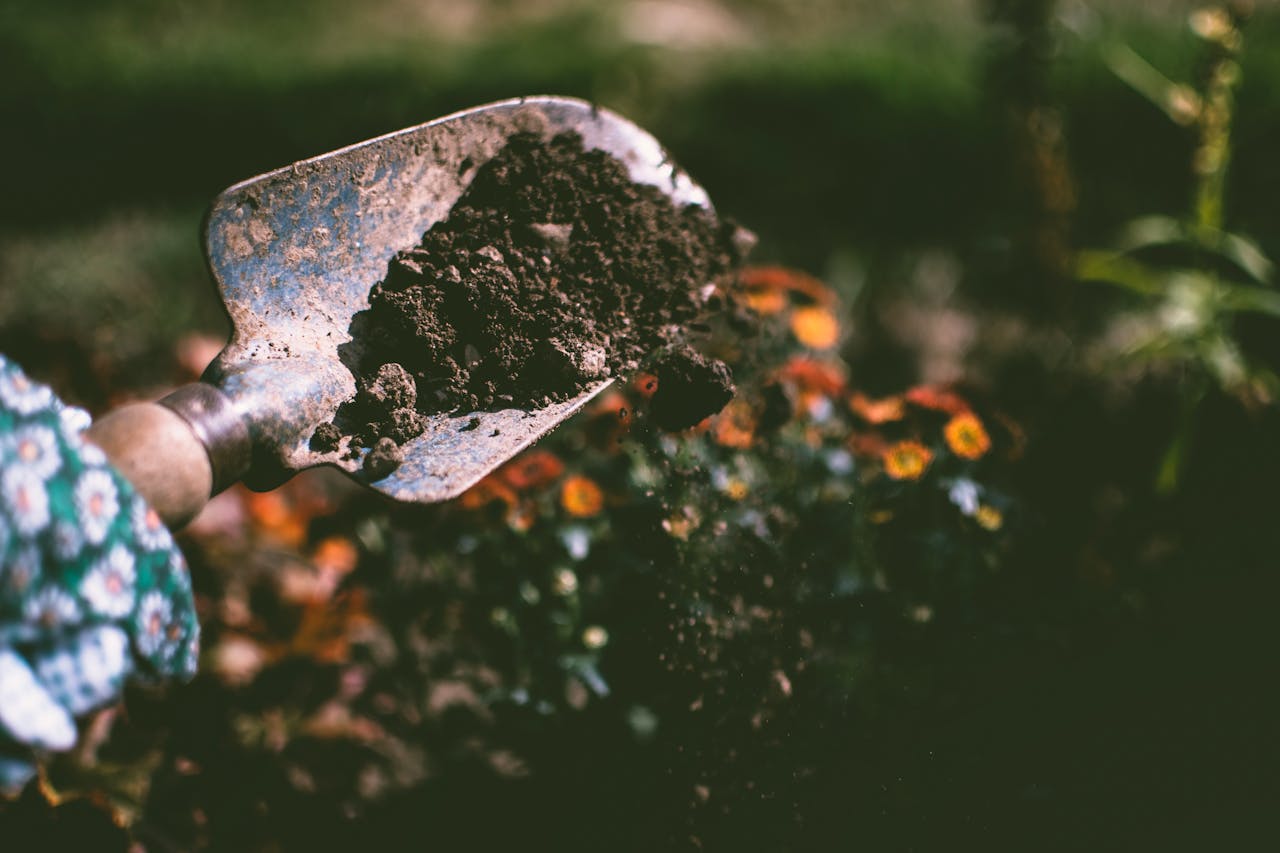
Overfeeding soil also creates environmental stress by encouraging fast top growth but weak structural strength. Plants may look lush early in the season but collapse under wind, heavy fruit, or disease pressure. Adding finished compost at planting time works better than mixing unfinished compost directly into soil. Spread about two to three inches of mature compost on topsoil and lightly blend it with existing earth. This technique supports microbial communities and improves drainage without disturbing root zones.
People sometimes forget that compost serves as living material, not just dirt substitute. Millions of tiny organisms work inside healthy compost, and those organisms continue supporting plant health after placement in garden beds. Smart gardeners also avoid storing compost in sealed plastic bags for long periods. Airflow keeps beneficial bacteria alive and prevents mold species from dominating stored organic material.
The One Spring Compost Rule That Saves Real Money
The easiest rule to remember sounds almost too simple. If compost still shows recognizable food pieces, put it back into the pile and wait longer. Finished compost should feel soft like cake crumbs, smell like forest soil after rain, and show no visible vegetable or fruit fragments. Dark brown or nearly black color usually indicates maturity, though texture matters more than color alone.
Gardeners can perform a quick test before spreading compost. Place a handful inside a sealed jar with a little water and shake gently. If the smell turns sour after a day, decomposition continues. If the smell stays earthy, the compost probably reached maturity.
Spring gardening success comes from preparation rather than speed. People who prepare soil during late winter or early autumn often spend less money on fertilizers later. Mulching with finished compost around plants also helps control weeds naturally. Thick organic layers block sunlight from reaching weed seeds while feeding soil organisms slowly.
Growing Smarter, Not Harder, When Spring Arrives Again
Starting compost piles early gives nature time to finish its work before planting season arrives. Mixing yard waste with kitchen scraps throughout winter prepares rich soil food for spring beds. Turning piles once every week or two keeps decomposition moving without exhausting effort.
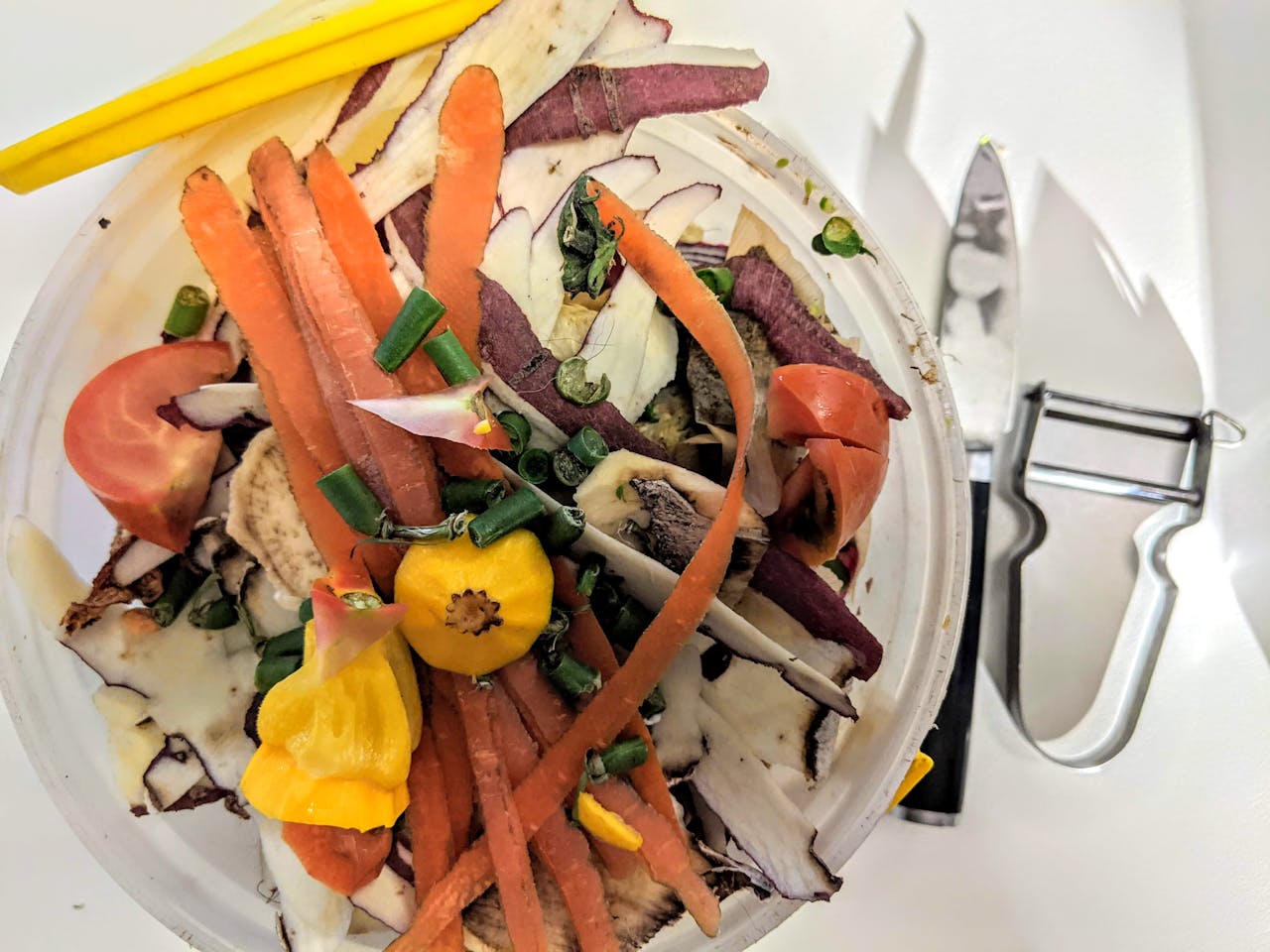
Avoid placing meat, dairy, or greasy cooked foods in home compost unless using specialized high-heat systems. Those materials attract pests and create unpleasant smells in small backyard setups. People should remember that composting is not about rushing waste into usefulness. It is about teaching soil ecosystems to recycle life slowly and efficiently. Healthy soil supports stronger vegetables, brighter flowers, and lower gardening costs over time.
What composting challenges show up most when planting season starts, and what tricks help make spring gardens grow stronger? Share all of your experiences, tips, or thoughts in the comments section and talk about how composting works in personal gardening spaces.
You May Also Like…
Experts Warn: Your Compost Pile Could Be Dangerous for Pets
Studies Find Dangerous Bacteria in DIY Compost — Experts Urge Caution
Why Your Compost Bin Could Be Breeding a Fungus That Kills Seedlings
7 Things You Should Never Compost in Winter—Even If You Do in Summer
10 Foods You Can Compost in Winter Without Making a Smell

Brandon Marcus is a staff writer for FrugalGardening.com at District Media, Inc., where he delivers practical gardening advice with a relatable, no-nonsense style. An avid amateur gardener, he holds a BA degree and with over ten years of professional writing experience, he is also an award-winning published author whose first book, Questions For Deep Thinkers, was released by Adams Media. His work has appeared in major publications including Fandom.com, CHUD.com, TheColdWire.com, and Fansided.com.
Leave a Reply