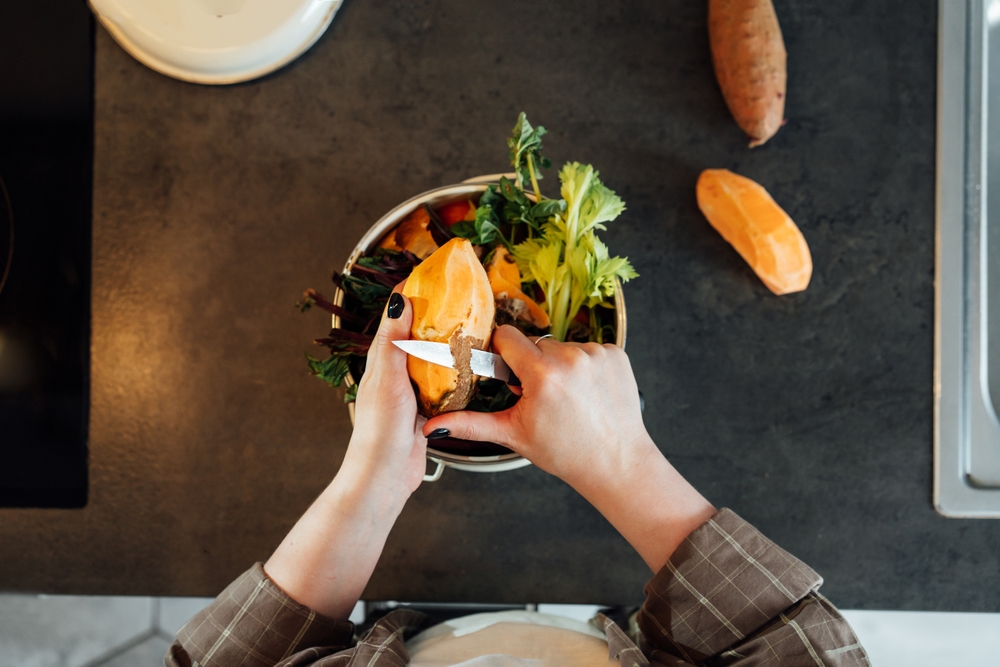
Composting can feel like a magic trick: scraps disappear, and your garden seems to thank you with richer soil and healthier plants. But not all kitchen scraps belong in the compost pile. Those viral TikTok compost hacks might look convincing, but some of them could actually harm your compost, attract pests, or slow down the decomposition process.
If you’ve been tossing things in your bin because they seem “natural” or “biodegradable,” it’s time to rethink your strategy. Trust me, your compost heap—and your future garden—will thank you.
1. Plastic-Infused Coffee Pods And Tea Bags
Coffee lovers, brace yourselves: your beloved morning ritual might be sabotaging your compost. Many coffee pods are lined with plastic, even if they look like they’re all-natural. Tossing them in the compost doesn’t just make your pile look weird—it prevents proper decomposition entirely. Similarly, tea bags often contain polypropylene, a type of plastic designed to hold their shape in hot water. Even biodegradable-looking bags can take years to break down.
Instead of thinking “organic equals compostable,” take a closer look at what’s inside your bag. Your worms and microbes can’t digest synthetic materials, and they’ll get stuck in a never-ending cycle of confusion. The result? A soggy, slow, and possibly contaminated compost pile that won’t give your garden the rich nutrients it deserves.
2. Cooked Foods And Greasy Leftovers
Your leftover spaghetti or last night’s pizza may feel like prime compost material, but cooked foods are a definite no-go. When you toss in anything cooked or greasy, you’re inviting unwanted guests—rodents, raccoons, and flies—who will happily feast before your compost microbes even get a chance. Oils, butter, and cheese break down slowly and can create smelly, compacted layers that hinder airflow, which is critical for aerobic composting. Even plant-based leftovers like fried tofu or vegetable tempura can trigger the same problems.
If you really want to compost food scraps, stick to raw fruits, vegetables, and coffee grounds. Think of your compost like a party for microbes: cooked foods are the uninvited troublemakers.

3. Diseased Or Pest-Ridden Plants
It might feel tempting to toss out a plant that’s looking sad, wilted, or invaded by pests, but composting diseased or bug-ridden plants is a recipe for disaster. Fungal infections, bacterial diseases, and insect eggs can survive the composting process if your pile doesn’t reach high enough temperatures. Once your compost goes into the garden, you could unintentionally spread disease to healthy plants. Even seemingly minor infestations can multiply quickly, turning your dream garden into a nightmare of plant stress and constant treatment.
To be safe, it’s better to dispose of these plants in the trash or through municipal green waste programs that handle disease control. Your garden will be healthier, and your compost will stay a safe, thriving ecosystem for good microbes.
Why Checking Labels And Ingredients Matters
One of the biggest mistakes composters make is assuming that anything labeled “organic” or “biodegradable” is automatically safe for the pile. Many packaged foods, plant wraps, or even snack packaging include additives, coatings, or synthetic fibers that resist decomposition. Even paper products can be treated with inks, dyes, or chemicals that slow down composting.
When in doubt, look closely at ingredient lists or materials. Not only will this save you from accidentally introducing harmful substances into your compost, but it also ensures that the microbes and worms in your pile are actually getting what they need to thrive. Composting isn’t just about tossing scraps—it’s about creating a balanced mini-ecosystem.
How To Keep Your Compost Healthy And Odor-Free
Healthy compost requires more than just avoiding the wrong items. Maintaining a proper balance of greens (nitrogen-rich scraps like fruit and vegetable peels) and browns (carbon-rich items like dry leaves, paper, and cardboard) keeps your pile aerated and prevents foul odors. Turning the pile regularly introduces oxygen, which speeds decomposition and discourages pests. Keeping moisture levels consistent is crucial—think damp sponge, not swamp.
If you follow these basic principles, avoiding problematic items like plastics, greasy foods, and diseased plants becomes even more critical. Your compost will transform from a potentially smelly heap into a rich, dark, crumbly goldmine of nutrients for your garden.
Your Turn To Compost With Confidence
Composting can be wildly satisfying when done right, but tossing in the wrong items can undo all your hard work. By keeping plastics, greasy leftovers, and diseased plants out of your pile, you’re protecting your garden, your soil, and the delicate ecosystem inside your compost. Everyone has stories of compost fails, surprising successes, or lessons learned the hard way.
What about you? We’d love to hear your composting wins, mistakes, or any quirky tips you’ve picked up along the way. Drop your experiences in the comments below and inspire others to compost smarter.
You May Also Like…
7 Compost Layering Mistakes That Stop Heat Production
Why Garden Composting in Winter Works Better Than You Think
13 Composting Ideas to Use Holiday Kitchen Waste in Your Garden
Why Compost Tea Works Better in Cool Soil
The Right Way to Seal and Insulate Your Compost Pile for Winter

Brandon Marcus is a staff writer for FrugalGardening.com at District Media, Inc., where he delivers practical gardening advice with a relatable, no-nonsense style. An avid amateur gardener, he holds a BA degree and with over ten years of professional writing experience, he is also an award-winning published author whose first book, Questions For Deep Thinkers, was released by Adams Media. His work has appeared in major publications including Fandom.com, CHUD.com, TheColdWire.com, and Fansided.com.
Leave a Reply